


Key Takeaways
- A charity warns that patients are learning about serious diagnoses, like chronic kidney disease (CKD), through the NHS App without proper support.
- Kidney Care UK’s report indicates that 11% of surveyed patients were informed of their CKD diagnosis via the app, raising concerns about patient care.
- The Care Quality Commission highlights potential risks of digital healthcare widening health inequalities if not implemented thoughtfully.
Concerns Over Digital Diagnosis Delivery
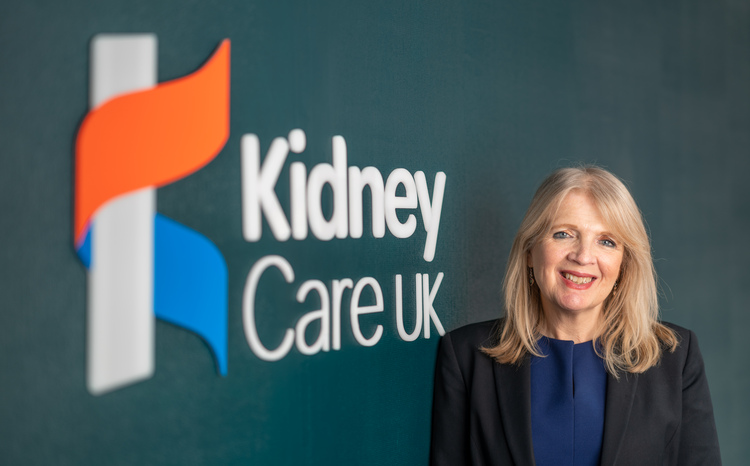
A charity, Kidney Care UK, has raised alarms about patients receiving serious health diagnoses, such as chronic kidney disease (CKD), via the NHS App without adequate support. This follows the UK government’s 10-year health plan, announced in July 2025, which aims to make the NHS App the primary interface for patients to manage their healthcare.
The charity argues that this shift toward digital communication could lead to distress and confusion among patients. Fiona Loud, policy director at Kidney Care UK, emphasized the need for improvements in CKD identification and management, stating, “Moving from analogue to digital has huge potential for improvement,” but it must prioritize patient experience to prevent harm.
In the recently published report titled ‘Falling through the G-App’, Kidney Care UK indicates that around 10% of inquiries to their support line come from individuals who are discovering their CKD status without prior explanation from healthcare professionals. An online survey conducted from October 4 to November 4, 2025, collected responses from over 1,300 UK patients living with kidney disease. The findings revealed that 11% of those surveyed learned about their CKD through the NHS App, and among them, nearly two-thirds reported being at CKD stages three to five, with 8% at a critical stage where kidney failure was imminent.
Sophie Randall, director of the Patient Information Forum, points out the NHS’s aim for a fully digital service by 2029, urging that the needs of the public must be prioritized. “Only by providing information and support can we move the NHS from a sickness model to a prevention service,” she remarked, stressing the importance of retaining human interaction in healthcare delivery.
Additionally, the Care Quality Commission (CQC) expressed its concerns about the potential exclusion of vulnerable patients amid the rapid shift to digital services. The CQC’s report, ‘State of health care and adult social care in England 2024/25’, cautioned that digital ambitions must be balanced with equity to avoid exacerbating existing health disparities.
In response to these issues, a spokesperson from NHS England reaffirmed the organization’s commitment to adhering to its guidelines that discourage delivering significant diagnoses through digital channels without proper context or support. The NHS aims to continue providing compassionate care while also enabling patients to access their health information through the NHS App and other platforms as appropriate.
The ongoing discussions emphasize the need for a careful approach as the NHS transitions to a more digitized healthcare model, ensuring that all patients receive the necessary support and understanding during crucial medical communications.
The content above is a summary. For more details, see the source article.









