


Key Takeaways
- The Pentagon has initiated a review of the Space Development Agency (SDA) to assess its progress in launching a constellation of missile tracking and data transport satellites.
- SDA’s first batch of satellites launched in April 2023, with plans for a second launch in spring 2024, despite some delays.
- The review team will evaluate SDA’s organizational structure and acquisition strategies while ensuring it aligns with the broader goals of the U.S. Space Force.
The Pentagon’s acting acquisition executive has requested an independent review of the Space Development Agency’s (SDA) performance and acquisition strategies. Steven Morani, performing the duties of Under Secretary of Defense for Acquisition and Sustainment, emphasized the need for this review in a memo dated January 31, which was obtained by Defense News. The review aims to critically analyze the SDA’s progress toward establishing a network of missile tracking and data transport satellites in low Earth orbit.
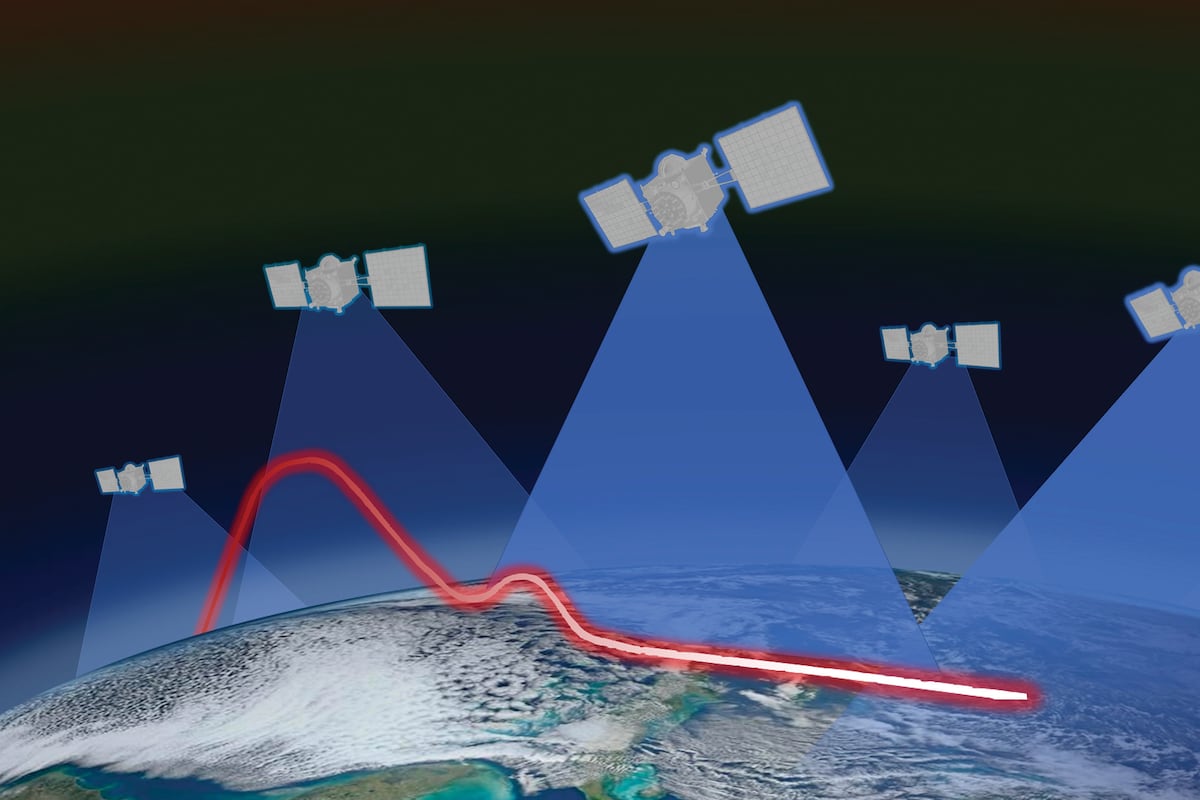
Established in 2019, the SDA is tasked with rapidly deploying hundreds of small satellites approximately 1,200 miles above Earth to enhance existing satellite systems. These satellites are designed to improve missile tracking and communication capabilities, with plans for upgrades every two years. After launching its first set, known as Tranche 0, in April 2023, the agency is set to initiate the next launch, Tranche 1, in spring 2024. Although delays have impacted these launches due to supplier issues, SDA remains optimistic about having its first operational satellites in orbit by 2026.
The review aims to ensure that SDA is on track to successfully deliver the Proliferated Warfighter Space Architecture, which encompasses both the satellite constellation and the necessary ground support for operations. The review team will also assess potential risks associated with SDA’s contracting strategy, funding, and scheduling, recommending solutions to address any identified challenges.
In addition to operational performance, Morani’s memo instructs the review team to examine the effectiveness of SDA’s staffing, structural organization, and its role as a direct reporting unit within the United States Space Force. Currently, SDA operates as an independent acquisition organization that does not fall under the main development and procurement arm of the Space Force, the Space Systems Command. Instead, its leadership reports to the assistant secretary of the Air Force for space acquisition and integration.
This review follows recent developments within the agency, including the administrative leave of SDA Director Derek Tournear amid an ongoing investigation by the Air Force Office of Inspector General into prior contracting actions. Lt. Gen. Philip Garrant, who heads Space Systems Command, temporarily took over as acting director on January 16. However, the Space Force recently announced that William Blauser, Deputy Director of the Air Force Rapid Capabilities Office, will now serve as the acting director of SDA.
It is also noted that the review team’s investigation will not interfere with the ongoing inquiries regarding SDA’s contracting process, focusing instead on organizational and operational assessments.
As the U.S. military continues to emphasize space as a critical battlefield, ensuring the efficiency and effectiveness of agencies like the SDA is essential for maintaining strategic advantages in defense capabilities.
The content above is a summary. For more details, see the source article.









