


Key Takeaways
- The Pentagon plans a high-energy laser test at White Sands Missile Range to enhance counter-drone technology.
- This test aims to improve interagency coordination following recent incidents that raised safety concerns.
- Key agencies, including the FAA and CBP, will collaborate to ensure safety while addressing drone threats in U.S. airspace.
Upcoming Laser Test to Improve Counter-Drone Coordination
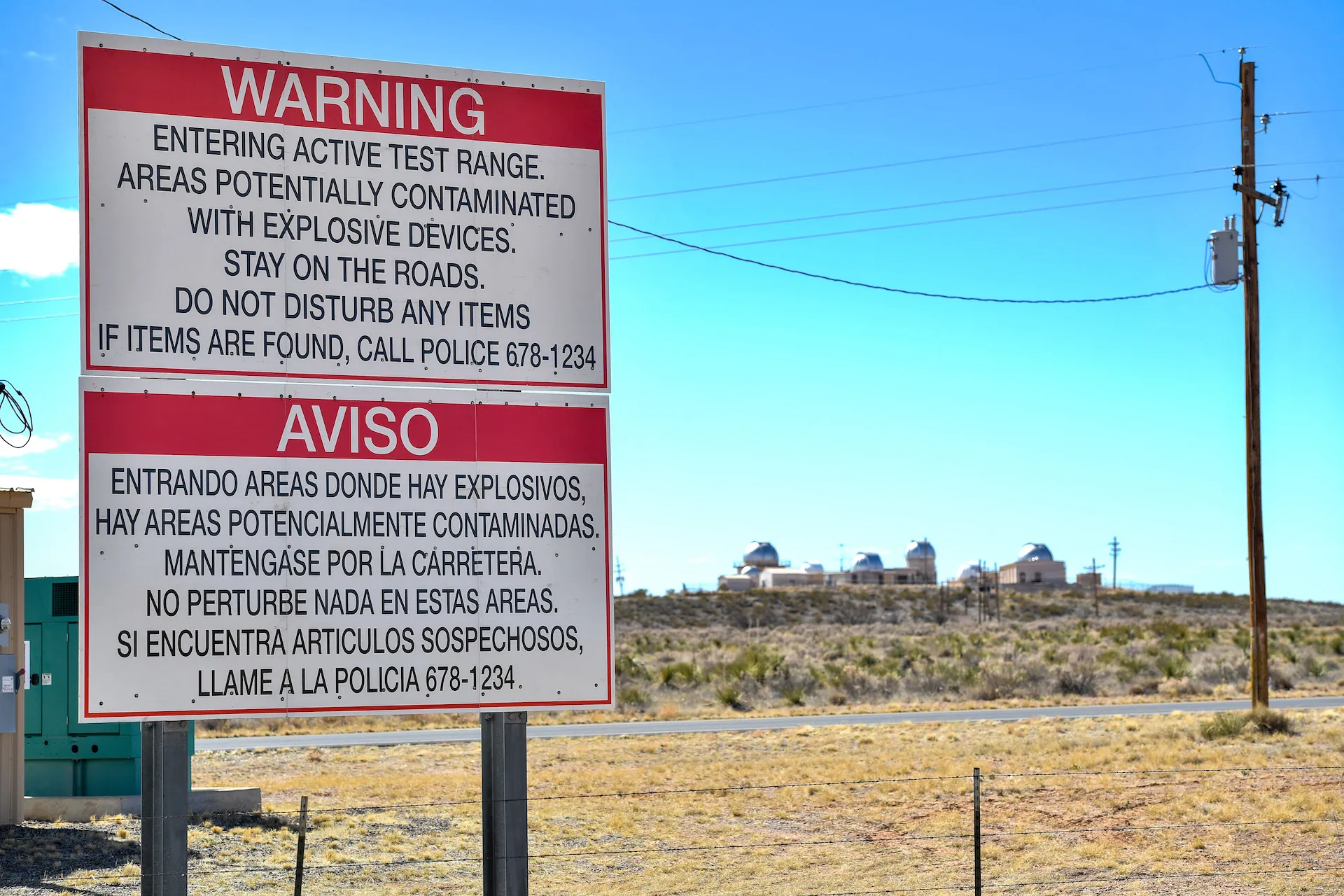
The Pentagon has announced that the military and the Federal Aviation Administration (FAA) will conduct a high-energy laser test this weekend at White Sands Missile Range in New Mexico, aiming to enhance the safe use of counter-unmanned aerial systems (C-UAS) in the U.S. The test, scheduled for March 7-8, is part of a broader effort to improve interagency collaboration, especially in light of recent safety concerns stemming from drone incidents in Texas.
Lawmakers from both parties have criticized the lack of coordination between agencies over drone technology. Notably, in February, Customs and Border Protection (CBP) employed a military laser to shoot down what were reported to be Mylar balloons. Shortly after, service members intercepted a CBP drone without prior notification to military task forces, raising alarms about joint operational efficacy along the U.S.-Mexico border.
Army Brig. Gen. Matt Ross, director of the Joint Interagency Task Force 401 (JIATF-401), emphasized the importance of these tests in equipping warfighters with the latest defensive tools. He underscored collaboration with the FAA to ensure that cutting-edge capabilities are not only effective but also safe for American airspace.
The upcoming test is also part of a long-term partnership between the Defense Department and FAA, aimed at integrating counter-drone technologies safely into the national airspace. The initiative specifically seeks to address FAA safety concerns, gathering information on the laser’s effects on aircraft and validating automated safety mechanisms.
Following a recent closed-door hearing, senators expressed frustration over inadequate interdepartmental cooperation and urged for urgent rectifications. They pointed to competing military and FAA efforts as a potential cause of the airspace incidents, suggesting that while neutralizing threatening drones is essential, civilian aircraft safety must remain a priority. Senator Ted Cruz articulated the need for enhanced collaboration to achieve both objectives simultaneously.
In addition to the FAA, multiple agencies, including the Department of Energy and the National Guard, will participate in the White Sands test, signifying a collective governmental effort to tackle the challenges posed by unmanned aerial systems while ensuring U.S. airspace sovereignty remains intact. The Pentagon’s collaborative approach is a response to increasing drone threats while prioritizing the safety of civil aviation.
The content above is a summary. For more details, see the source article.









