


Key Takeaways
- 71% of participants expressed a likelihood to use e-bikes independently after recent sessions.
- 43% of participants reported similar intentions for e-scooters.
- The initiative focused on increasing awareness and accessibility of shared micromobility for disabled individuals.
Increased Interest in E-Bikes and E-Scooters
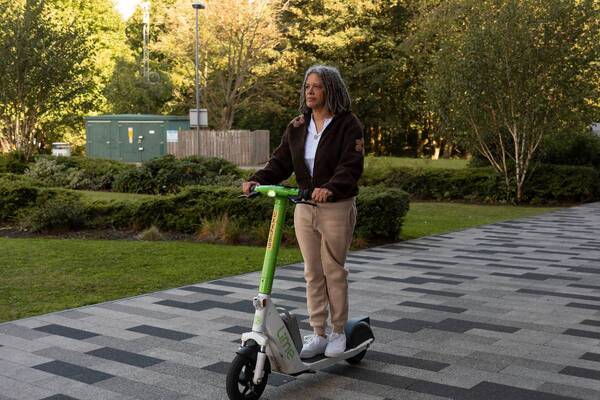
Recent sessions aimed at promoting micromobility have seen a significant increase in interest among participants regarding the use of e-bikes and e-scooters. A notable 71 percent of attendees indicated they were likely to use e-bikes independently, while 43 percent showed the same inclination for e-scooters.
The event emphasized the importance of targeted engagement and skills-building workshops to enhance awareness and usage of shared micromobility options. One of the critical focuses was on supporting disabled individuals, ensuring that they have the necessary knowledge and skills to utilize these forms of transportation effectively and independently.
Engagement strategies included hands-on demonstrations and educational materials, which aimed at breaking down existing barriers to entry. Participants learned about the practical benefits of using e-bikes and e-scooters, including convenience and reduced travel costs, as well as the positive impact on mobility and access to various services.
Feedback from sessions suggested that increased familiarity with e-mobility could pave the way for broader acceptance and integration of these alternatives into everyday life. Organizers are hopeful that continued efforts in this area will not only enhance personal mobility for disabled individuals but also contribute to a more inclusive urban environment overall.
The growing interest in e-bikes and e-scooters reflects a broader trend towards sustainable and accessible transportation methods, with micromobility becoming a vital part of urban transit solutions. Insights stemming from this initiative could serve as useful guidelines for future programs aimed at facilitating the use of e-mobility in varied communities.
Overall, the workshops have set the stage for increased participation in micromobility, particularly among those who may have previously felt excluded from such transportation options. The positive feedback and expressed willingness to adopt e-bikes and e-scooters are encouraging signs for the future of shared micromobility initiatives.
The content above is a summary. For more details, see the source article.









