Key Takeaways
- India’s space economy, currently valued at $8 billion, aims to increase to $40–45 billion by 2030.
- Private sector reforms have spurred innovation, with over 1,050 companies registered in the space sector.
- Women play a pivotal role, with around 20-25% of ISRO employees being women, contributing significantly to missions like Chandrayaan-3.
India’s Evolving Space Ambitions
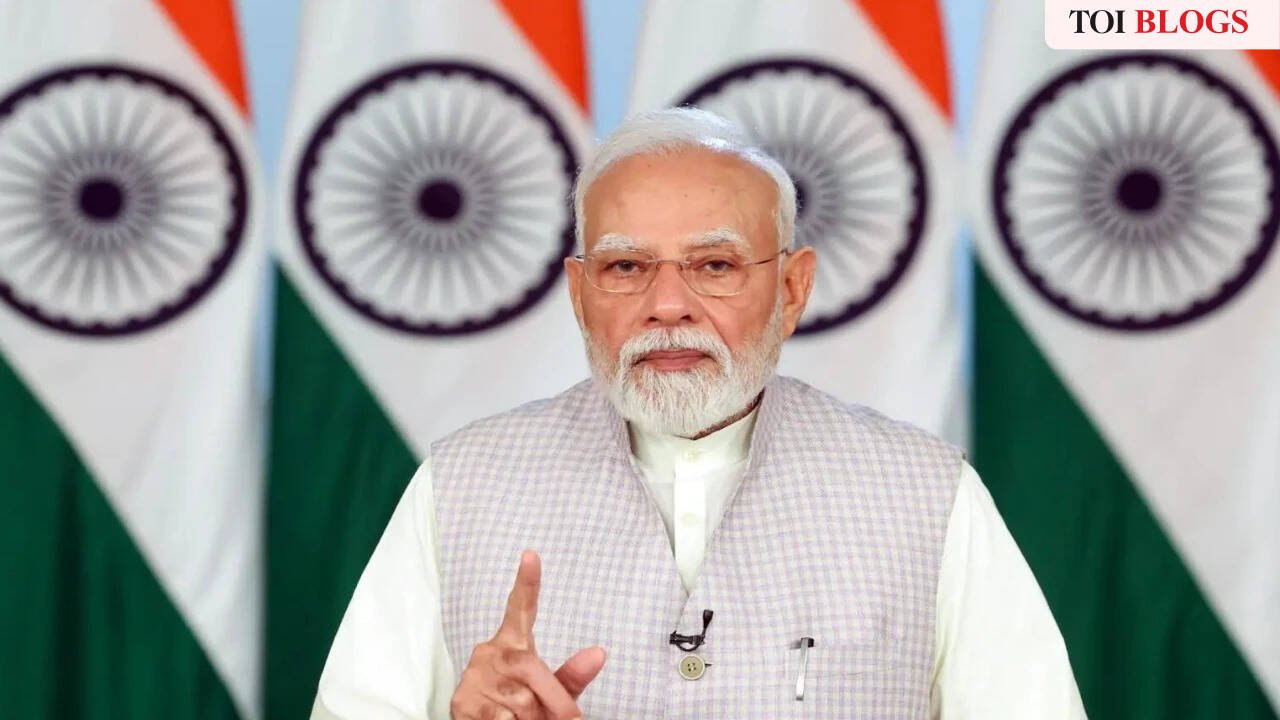
India’s space journey is undergoing a transformative shift, moving from mere participation to active engagement in building its space capabilities. Prime Minister Narendra Modi’s vision has been fundamental in this transition, aiming to boost India’s presence in the global space economy, which currently stands at 2-3%. With initiatives like the introduction of private sector participation in 2020 and the Indian Space Policy 2023, the country is poised for significant advancements.
The space sector is redefined as a commercial frontier, influenced by global figures such as Elon Musk. Modi’s strategy aligns with a projected growth that could increase India’s share in the global space economy to 8% by 2030. The focus has shifted from scientific inquiry to practical applications, emphasizing defense, disaster management, and technological advancement.
Highlighting the importance of preparedness, Modi draws parallels with recent natural disasters to underscore how space technology can enhance disaster response. India’s track record showcases a rapid evolution in satellite technology, exemplified by missions from Chandrayaan-1’s discovery of water on the moon to Chandrayaan-3’s historic landing at the lunar south pole. Modi’s leadership has fostered a culture of resilience, emphasizing unity in the face of setbacks.
The prime minister recently addressed the International Space Summit, asserting India’s commitment to a peaceful approach to space, rooted in the philosophy of “Vasudhaiva Kutumbakam” (One Earth, One Family). This philosophical stance contrasts with militaristic approaches by other countries, aiming instead for collaboration for a secure future.
Social inclusion is a hallmark of India’s space narrative, with women’s contributions becoming increasingly prominent. Women in roles such as Ritu Kridhal Shrivastava and Nandini Harinath have played crucial parts in missions like the Mars Orbiter and Chandrayaan-3. This inclusion reflects a broader paradigm shift, as the country’s space endeavors now involve nearly 25% female workforce at ISRO.
The reforms initiated in 2020 have unleashed a wave of entrepreneurial activity, resulting in 1,050 private companies registering for space activities by January 2026. In particular, IN-SPACe has facilitated the launch of private missions, demonstrating that developing launch capabilities is no longer confined to the government.
India’s future in space is ambitious, planning human missions through Gaganyaan and envisioning efforts like the Bharatiya Antariksha Station. Collaborative projects with global space agencies will further integrate India into the international space community.
In conclusion, India’s space ambitions, propelled by PM Modi’s leadership, inspire confidence and unity. The journey reflects a collective aspiration to explore space for the benefit of humanity, marking a significant chapter in India’s scientific and technological narrative, one that is set to continue evolving for generations to come.
The content above is a summary. For more details, see the source article.