


Key Takeaways
- Quaise Energy’s new drilling method can access geothermal resources 2 to 12 miles below the Earth’s surface.
- The company plans to conduct a field test in Texas to refine its innovative millimeter-wave drilling technology.
- This method offers a promising, continuous baseload power source, enhancing global energy security and reducing reliance on fossil fuels.
The Potential of Deep Geothermal Energy
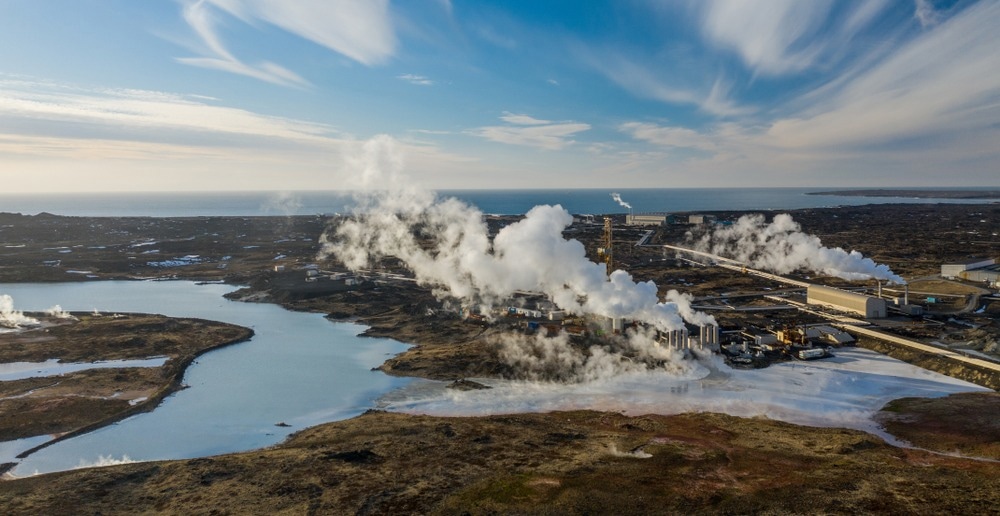
Geothermal energy, a renewable resource derived from the Earth’s internal heat, has significant potential but is underutilized due to the challenges of accessing super-hot zones. Traditional drilling methods, mainly designed for oil extraction, face limitations at depths exceeding a few miles, where high temperatures and pressures damage equipment.
This situation creates an opportunity in the supercritical zone, where rock temperatures exceed regular hot water conditions, allowing for a higher thermal energy output. However, reaching these areas has been economically unfeasible with conventional drilling techniques, including the challenges faced in countries like Iceland.
Quaise Energy’s Revolutionary Drilling Technology
To tackle these issues, Quaise Energy demonstrated a groundbreaking approach during a recent full-scale presentation on an oil rig near Houston. Their technology replaces mechanical drilling with millimeter-wave electromagnetic energy—akin to intense microwaves—to melt and vaporize rock. This allows for the creation of deep boreholes capable of withstanding extreme conditions and accessing geothermal energy efficiently.
Using a gyrotron device, Quaise’s method can effectively drill into granite, significantly minimizing equipment wear. Initial laboratory tests at MIT validated this technique by successfully drilling into basalt. In a field demonstration, researchers drilled a 10-foot-deep hole using 100 kilowatts of millimeter-wave power. Plans are underway to deploy a more powerful one-megawatt gyrotron for greater drilling depths.
Upcoming tests in July at a site in Marble Falls, Texas, aim to further optimize drilling parameters by drilling multiple holes into natural granite outcrops.
Overcoming Engineering Challenges
Alongside drilling innovations, Quaise is addressing scientific and engineering challenges critical for harnessing superhot geothermal energy. Collaborating with the École Polytechnique Fédérale de Lausanne, they are exploring how supercritical water interacts with deep rock formations, which is vital for maximizing heat extraction.
Their engineering team is also developing specialized designs for geothermal power plants that can endure the extreme conditions at these depths. This work aims to ensure reliable and cost-effective energy generation.
Quaise categorizes global geothermal resources into three tiers, with initial efforts targeted at Tier 1 locations, such as the Newberry Volcano in Oregon. Future plans include reaching Tier 2 and 3 resources, extending up to 12 miles deep, which could potentially provide clean power to over 90% of the global population.
Potential Applications and Industry Impact
This innovative drilling technology holds immense promise for the cleantech sector, providing reliable energy that is invariant to weather conditions. Unlike solar and wind energy, geothermal energy can offer constant baseload power, positioning it as a vital player in the transition away from fossil fuels.
Quaise’s unique approach allows access to previously unreachable geothermal resources, facilitating rapid adoption of clean energy solutions. This progress not only aims to minimize greenhouse gas emissions but also enhances global energy security.
Toward a Sustainable Energy Future
The development of millimeter-wave drilling technology marks a critical step forward in clean energy initiatives. By unlocking vast geothermal reserves, Quaise Energy is working to make renewable energy more accessible, potentially impacting energy production worldwide. This significant demonstration represents a pivotal moment towards commercializing superdeep geothermal energy and building a resilient, sustainable energy future.
The content above is a summary. For more details, see the source article.









