


Key Takeaways
- Governor McKee signs an executive order to reduce energy costs for consumers by rolling back renewable energy programs.
- Critics express concerns that cuts will undermine efforts in renewable energy and efficiency, despite aiming for short-term savings.
- Executives from industries affected by rising costs acknowledge the need for reductions but did not address the role of previous energy incentives.
Governor McKee’s Energy Initiatives
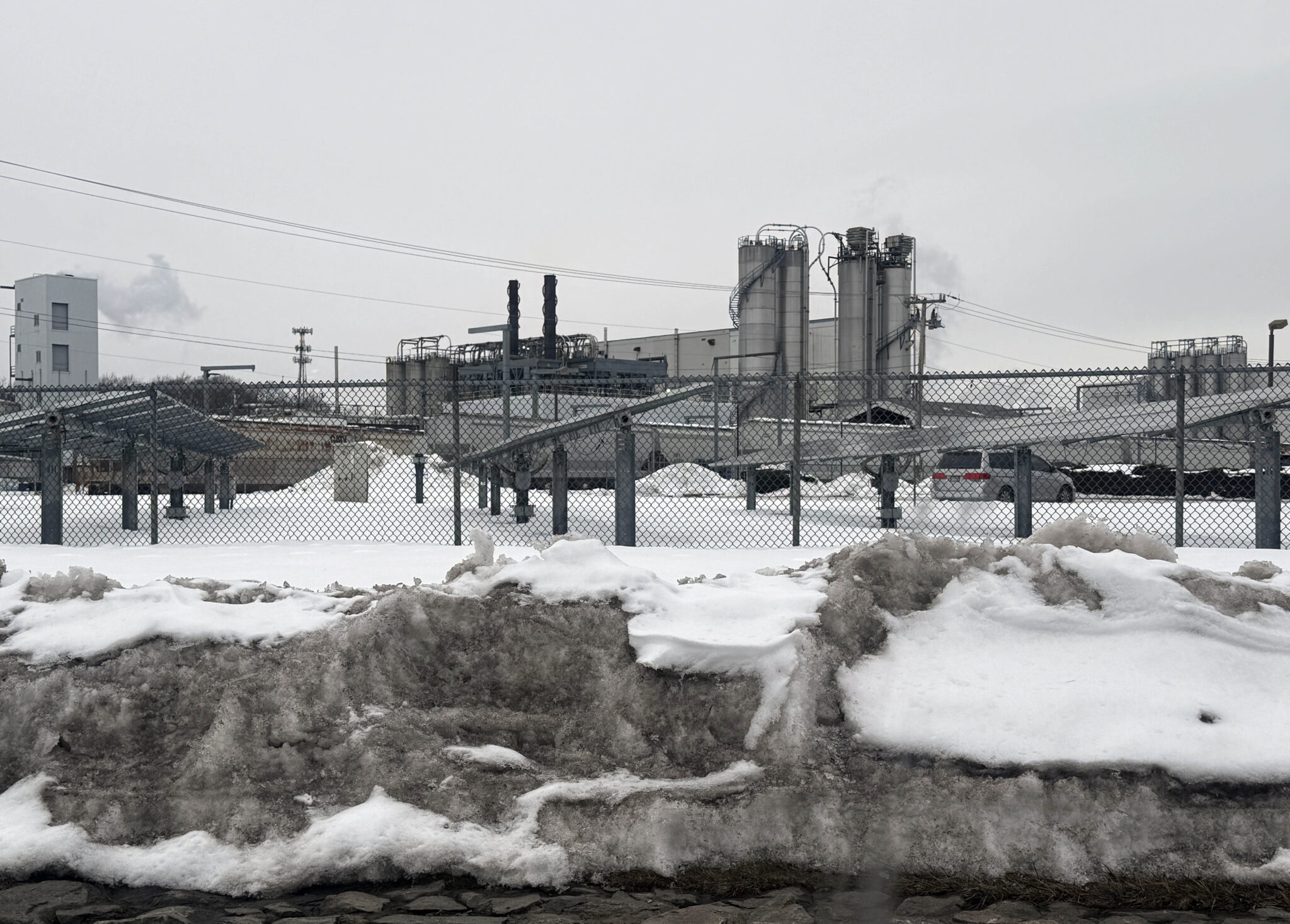
On Monday, Governor Dan McKee announced an executive order aimed at reducing energy costs for Rhode Island residents by scaling back state renewable energy and energy efficiency programs. During a press conference in Warwick, several manufacturing leaders voiced concerns over rising energy bills, while John Ranieri of Toray Plastics remained silent amid criticism.
Environmental advocates, present with signs disapproving of the governor’s approach, pointed out the hypocrisy of business leaders who benefit from renewable energy incentives yet blame high costs on such programs. Toray, which has received significant state funding—including a $15.9 million rebate for energy efficiency—was notably mentioned during discussions.
The initiative, part of McKee’s “Affordability for All” campaign, proposes a $75 million annual cap on spending for energy efficiency programs, a figure previously nonexistent. Estimates suggest these changes could save ratepayers $1 billion over five years by curtailing expenses associated with renewable energy efforts.
McKee attributed rising energy costs to the impact of previous federal policies and asserted the need to shield Rhode Island consumers from these challenges. His reforms include postponing the deadline for achieving 100% renewable electricity from 2033 to 2050, primarily affecting the state’s Renewable Energy Standard.
Despite the apparent intention to provide relief, critics worry that these actions may inadvertently hinder the long-term transition to renewable energy. Emily Koo, Rhode Island program director for Acadia Center, noted that while a reassessment of solar incentives might be beneficial, it does not alleviate concerns about diminishing support for energy efficiency and renewable use.
Manufacturers at the event connected rising energy costs to broader economic implications, emphasizing the need for more sustainable, cost-effective energy solutions to maintain competitive wages for workers. Many families face decisions between essential services like rent and utilities, highlighting the urgency of addressing energy affordability.
While advocates for clean energy argue that cutting back on state incentives undermines progressive energy policies, utility representatives suggest that state-mandated programs account for a smaller portion of overall bills. Critics continue to call for comprehensive discussions that encompass all facets of energy costs, including utility distribution charges.
As McKee’s reforms progress, state energy officials have been directed to analyze proposed changes while striving to minimize any adverse impacts on current renewable projects. The emphasis remains on balancing financial relief with the state’s commitment to clean energy goals in the long term.
The content above is a summary. For more details, see the source article.









