


Key Takeaways
- Renewable energy sources now represent over 90% of global new capacity installations and over 80% of net new generation.
- Despite significant investments, wind and solar power only contribute about 15% to total electricity generation, trailing behind coal and gas.
- The debate continues over the focus on capacity versus the actual effectiveness of intermittent renewable resources.
Growth of Renewable Energy Capacity
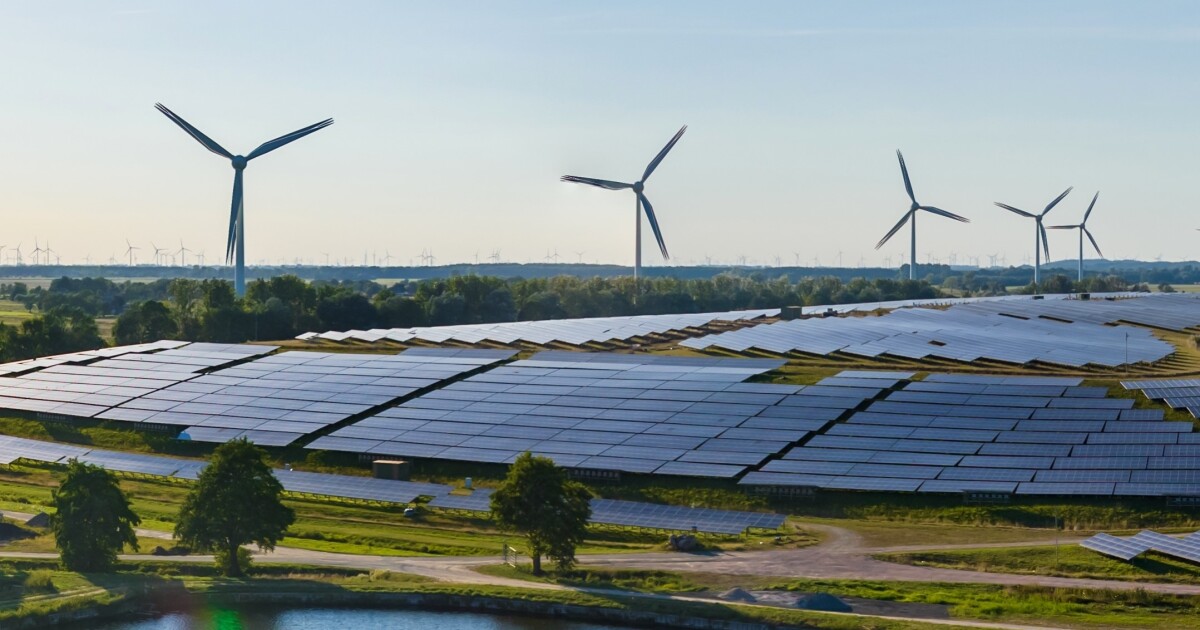
Renewable energy capacity is on an upward trajectory, consistently setting new records each year. Currently, renewables make up more than 90% of all new global capacity installations and account for over 80% of net new generation. This surge in renewable projects reflects a stronger global commitment to clean energy as nations strive to meet climate goals and reduce reliance on fossil fuels.
However, there is a contrasting perspective regarding the actual impact of these renewable technologies. Critics argue that, despite the billions invested in wind and solar energy annually, these sources only provide around 15% of the total power generation. In comparison, traditional energy sources like coal and natural gas continue to dominate the energy landscape.
This disparity raises critical questions regarding the reliance on capacity metrics in assessing the effectiveness of renewable energy technologies. Some industry advocates argue that the significant capacity additions signal a clear trend towards a greener energy future, while skeptics suggest that a low load factor, or usage rate, of these intermittent resources undermines their reliability.
Advocates of renewable energy maintain that the investments will lead to increased efficiency and better integration of these technologies into the existing energy systems over time. They emphasize the long-term benefits of transitioning toward cleaner energy, which may ultimately play a crucial role in reducing carbon emissions and combating climate change.
Skeptics, on the other hand, highlight the importance of not counting capacity alone. They argue that while adding renewable energy capacity is commendable, the low percentage of actual energy produced raises concerns about energy reliability and sustainability in the short term.
The ongoing debate underscores a broader discussion within the energy sector regarding how best to measure and evaluate the effectiveness of renewable technologies. As more countries continue to invest in renewable systems, the conversation will likely evolve, focusing not only on capacity but also on actual output and reliability as critical metrics for energy planning and policy development.
In summary, while the growth of renewable energy capacity is promising, it also presents challenges in terms of actual power generation performance. The discussion between capacity and actual usage rates illustrates the complexities of transitioning to a renewable-based energy system.
The content above is a summary. For more details, see the source article.









