


Key Takeaways
- House Republicans are considering cuts to the Supplemental Nutrition Assistance Program (SNAP) to fund other priorities, raising concerns about bipartisan support for the upcoming farm bill.
- Budget cuts proposed by Republican leaders include $296 billion from SNAP, contrasting sharply with a previous minimal reduction suggested by the House Agriculture Committee.
- Democrats warn that changes to SNAP could disrupt the coalition necessary for passing the farm bill, with recent statements highlighting the potential impact on food security and agricultural demand.
House Republicans Consider Significant Cuts to Nutrition Assistance Programs
House Republicans are targeting major funding reductions for the Supplemental Nutrition Assistance Program (SNAP) as part of their broader budget reconciliation strategy. This effort aims to accommodate President-elect Donald Trump’s policy priorities, particularly increases in border security funding and the extension of provisions from the 2017 Tax Cuts and Jobs Act (TCJA).
House Speaker Mike Johnson of Louisiana revealed plans for Congress to finalize a fiscal 2025 budget resolution by the end of February. This resolution will serve as a roadmap for detailed spending and tax proposals intended for reconciliation, with the goal of delivering a comprehensive bill to Trump by late May.
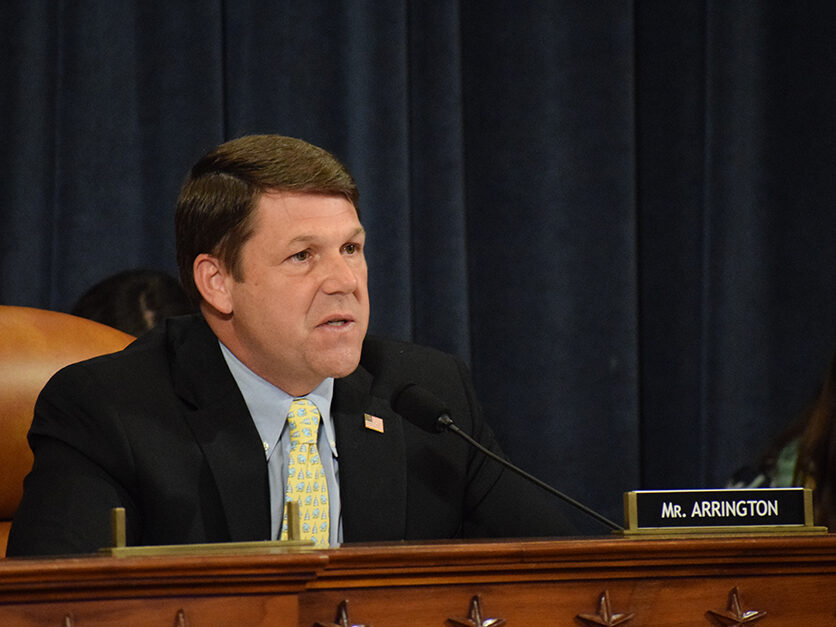
Rep. Jodey Arrington, the chairman of the House Budget Committee, is reportedly circulating proposals for spending cuts totaling between $5.3 trillion and $5.5 trillion. Within this framework, a significant reduction of $296 billion is earmarked for SNAP. This stands in stark contrast to a farm bill advanced by the House Agriculture Committee, which would have minimally cut $20 billion from nutrition funding by placing limitations on updates to the Thrifty Food Plan (TFP)—an economic model used to determine SNAP benefits.
The potential SNAP reductions signify a more aggressive approach compared to previous legislative efforts. While past proposals aimed to slow SNAP’s growth without reducing existing benefits, the current Republican strategy could fundamentally alter the funding structure of these critical nutrition assistance programs.
Moreover, Republicans may consider incorporating additional farm bill provisions into the reconciliation discussion, such as adjusting Inflation Reduction Act (IRA) conservation funding or re-evaluating commodity programs. However, Agriculture Committee Chairman Glenn Thompson expressed a preference to exclude IRA funding from any reconciliation efforts to preserve resources for the actual farm bill.
Agriculture Secretary Tom Vilsack cautioned that drastic cuts could jeopardize the bipartisan nature of farm bill negotiations, which traditionally hinge on achieving balance between rural and urban interests. The last farm bill process faced significant delays due to proposed SNAP cuts that were ultimately dropped from final discussions.
Democratic leaders have voiced strong opposition to the proposed SNAP cuts, framing them as detrimental not only to food security but also to the agricultural economy at large. Rep. Angie Craig, the new ranking Democrat on the House Agriculture Committee, underscored the repercussions of such funding reductions, which could diminish demand for agricultural products. Rep. Jim McGovern also remarked that any effort to lower SNAP benefits amid ongoing inflation would be politically untenable.
With only a limited window to pass a new farm bill before the end of the year and the potential necessity of extending the 2018 law, bipartisan support remains crucial. As Republican leaders navigate budget priorities, the likelihood of achieving broad consensus may hinge on their willingness to reconsider cuts to nutrition programs like SNAP, as highlighted by Democratic representatives who warn that any changes could be a dealbreaker in negotiations.
The content above is a summary. For more details, see the source article.









