


Key Takeaways
- Robert F. Kennedy Jr. expressed conditional support for avian flu vaccines during his confirmation hearing for HHS secretary.
- Concerns regarding Kennedy’s past vaccine skepticism were raised by several senators, impacting his potential confirmation.
- Kennedy committed to promoting food safety and addressing the health impacts of processed foods in collaboration with the USDA.
Avian Flu Vaccines and Confirmation Hearing Insights
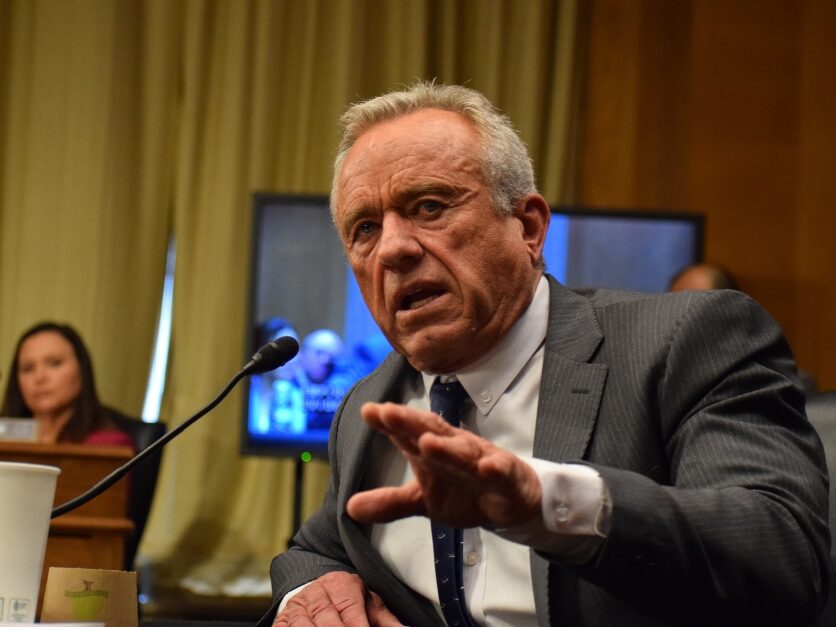
Robert F. Kennedy Jr., a notable skeptic regarding vaccine safety, addressed the Senate Health, Education, Labor and Pensions Committee on Thursday during his confirmation hearing for the role of Secretary of the Department of Health and Human Services (HHS). Kennedy stated that he would support the development and distribution of vaccines for avian flu in humans, but he qualified this commitment by emphasizing the need for scientific evaluation prior to backing any specific vaccine.
As reported by the Centers for Disease Control and Prevention (CDC), there have been 67 confirmed human cases of avian flu in the U.S., including one fatality, primarily affecting poultry and dairy workers. The outgoing Biden administration recently announced a significant investment of $590 million to accelerate the development of mRNA-based vaccines for avian flu, a project that would fall under Kennedy’s oversight if confirmed.
During his previous hearing with the Senate Finance Committee, Kennedy attempted to distance himself from past controversies regarding vaccines as well as issues related to abortion. Nevertheless, vaccine safety remained a focal point in the discussions at both hearings. Bill Cassidy, the Republican chair of the Senate HELP Committee, expressed reservations about Kennedy’s historical views on vaccines, particularly concerning their effectiveness against measles and HPV. Cassidy highlighted that many constituents associate Kennedy with their decisions to skip vaccinating their children.
In response to Cassidy’s inquiries, Kennedy stated that he would advocate for vaccines being considered safe, if supported by scientific evidence, but did not specify the criteria he would use to evaluate safety. His assertion that he is “pro-safety” rather than “anti-vaccine” was met with skepticism from some committee members. Senators, including Rand Paul and Markwayne Mullin, engaged positively with Kennedy over his critical approach to science, while others, like Bernie Sanders, pressed him for clearer stances on vaccination science, especially regarding COVID-19.
Kennedy’s assertion of wanting to investigate mRNA vaccine safety further raised concerns among some senators, such as Andy Kim of California. He conveyed that public health officials expressed worries regarding Kennedy’s positions, particularly if avian flu becomes a more significant issue. Similarly, Lisa Murkowski of Alaska emphasized the importance of vaccines in rural health, urging Kennedy to bring scientific integrity to his role.
In addition to vaccination discussions, Kennedy underscored the need for collaboration with the USDA to tackle health issues linked to processed foods. He expressed a commitment to reducing the prevalence of chemicals in agriculture and ensuring U.S. farmers are supported amid rising challenges. Kennedy stressed the importance of further research into the health impacts of certain foods and the need to counteract the influence of the food industry on federal policies.
Overall, Kennedy’s confirmation hinges on addressing senators’ concerns about his past positions, especially related to vaccine safety, while also demonstrating a commitment to public health in broader contexts such as food safety and support for American farmers.
The content above is a summary. For more details, see the source article.









