


Key Takeaways
- Brooke Rollins, nominee for Agriculture Secretary, pledged support for farmers facing potential trade impacts and promised new financial assistance if needed.
- Rollins emphasized the need to modernize agricultural labor programs amidst mass deportation plans and acknowledged concerns over potential workforce reductions.
- She indicated immediate priorities include distributing $10 billion in economic aid and addressing animal disease outbreaks.
Financial Aid Assurance for Farmers
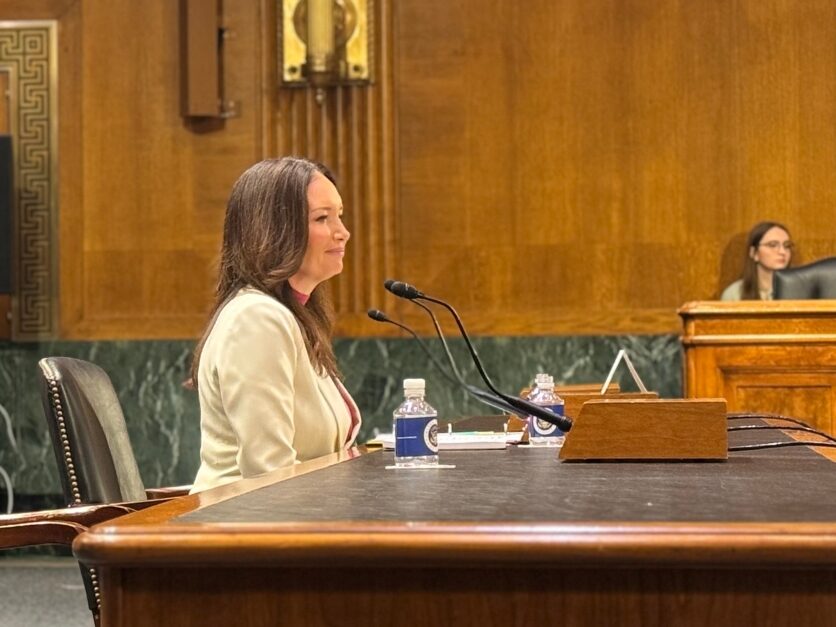
During her confirmation hearing before the Senate Agriculture Committee, Brooke Rollins assured senators that the Trump administration would provide additional financial aid to farmers affected by trade conflicts fueled by tariff increases. Rollins discussed her commitment to the Department of Agriculture (USDA) and expressed readiness to execute support strategies akin to those used in 2018 and 2019, when the first Trump administration allocated $23 billion to farmers. She acknowledged the complexities of the tariff situation and stressed the necessity of acting swiftly.
Rollins indicated that she has already engaged in discussions with former Agriculture Secretary Sonny Perdue regarding strategies to assist farmers in light of ongoing trade wars, particularly with China. She reinforced that while tariffs are vital for enhancing the U.S. economy, they could have detrimental effects on the agricultural sector.
Commitment to Agricultural Workforce
During the hearing, Rollins extended mixed assurances to farmers worried about the Trump administration’s plans for mass deportations targeting undocumented immigrants. While she supported these deportation efforts, she also noted the administration’s intention to listen to concerns from agricultural producers who may be impacted by the changing labor market. Rollins highlighted her focus on reforming and modernizing the H-2A program, which facilitates seasonal agricultural labor.
Despite the impending changes, she avoided committing to provide advance notice to farmers about deportations. Nonetheless, she expressed her commitment to collaborating with agricultural organizations to navigate these processes and maintain necessary labor resources.
Response to Economic Crises and Nutrition Assistance
Rollins outlined her immediate priorities at the USDA, which include distributing $10 billion of economic assistance authorized by Congress in December and addressing the avian flu outbreak affecting poultry farms. Her urgency in these matters reflects the administration’s focus on agriculture and animal health, with a proactive approach to emerging threats.
Moreover, Rollins touched upon the importance of nutrition assistance programs while underlining that she could not guarantee opposition to potential cuts in the Supplemental Nutrition Assistance Program (SNAP). With proposed cuts on the table related to border security funding, she navigated questions regarding the administration’s priorities for food security among American families.
Broader Agricultural Policy Perspective
The hearing also addressed Rollins’ past affiliations with the Texas Public Policy Foundation, which advocated for fossil fuels and critiqued federal ethanol policies. Rollins stated that her views have evolved, pledging to support a diverse range of energy sources, including biofuels. This aligns with the administration’s energy dominance plan proposed by Trump.
Overall, Rollins described her ambition to defend all aspects of American agriculture and ensure that nutrition concerns, articulated by Robert F. Kennedy Jr.’s Make America Healthy Again initiative, gain prominence within the administration’s agenda.
As the hearing concluded, Rollins faced various questions about her stances on critical issues, including California’s Proposition 12, which affects animal housing standards. She expressed her support for limiting its broader impact on agriculture beyond California.
Her commitment to returning USDA employees to in-office work signifies her strategic vision to enhance departmental efficiency. Rollins is poised to lead the USDA with a focus on market expansion, economic relief, and modernization of agriculture labor policies, as her confirmation progresses.
The content above is a summary. For more details, see the source article.









