


Key Takeaways
- Sacramento is collaborating with the Urban Land Institute to implement heat-reduction strategies.
- Efforts focus on creating built environments, including structures and trees, to combat extreme heat.
- The project aligns with goals outlined in the Climate Action Adaptation Plan (CAAP).
Addressing Extreme Heat in Sacramento
Sacramento City and County are taking significant steps to tackle extreme heat, collaborating with experts from the Urban Land Institute. The initiative aims to put into action the City’s strategies for reducing heat exposure through thoughtful urban planning and environmental design.
As climate change intensifies, cities like Sacramento are increasingly vulnerable to extreme heat events. These conditions not only affect residents’ health and comfort but also pose risks to public infrastructure and ecosystems. In response, Sacramento is focusing on innovative solutions that integrate climate adaptation tactics into urban development.
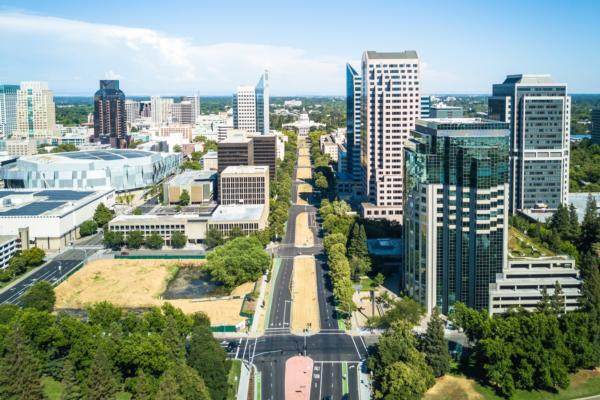
The project primarily revolves around enhancing built environments. This includes designing structures that mitigate heat absorption and promote cooler living spaces. Additionally, the incorporation of trees and green spaces is a central component of the strategy. These natural elements can significantly lower temperatures in urban areas, providing shade and improving air quality.
Key stakeholders, including city planners and environmental experts, are examining various approaches to ensure that Sacramento meets the goals set forth in its Climate Action Adaptation Plan (CAAP). This plan outlines comprehensive targets for reducing greenhouse gas emissions and increasing resilience against climate impacts. By aligning city goals with expert insights, Sacramento aims to create a sustainable framework that prioritizes the health and well-being of its citizens.
Through these collaborative efforts, Sacramento hopes to establish a model for other cities facing similar climate-related challenges. By focusing on innovative design and sustainable practices, the initiative aspires to create a lasting impact that not only addresses immediate heat concerns but also lays the groundwork for long-term environmental resilience.
Overall, Sacramento’s proactive approach highlights the critical need for cities to adapt to changing climates and prioritize the creation of healthier, more livable urban environments. As this initiative progresses, it will serve as a valuable case study for other municipalities striving to cope with extreme weather conditions.
The content above is a summary. For more details, see the source article.









