


Key Takeaways
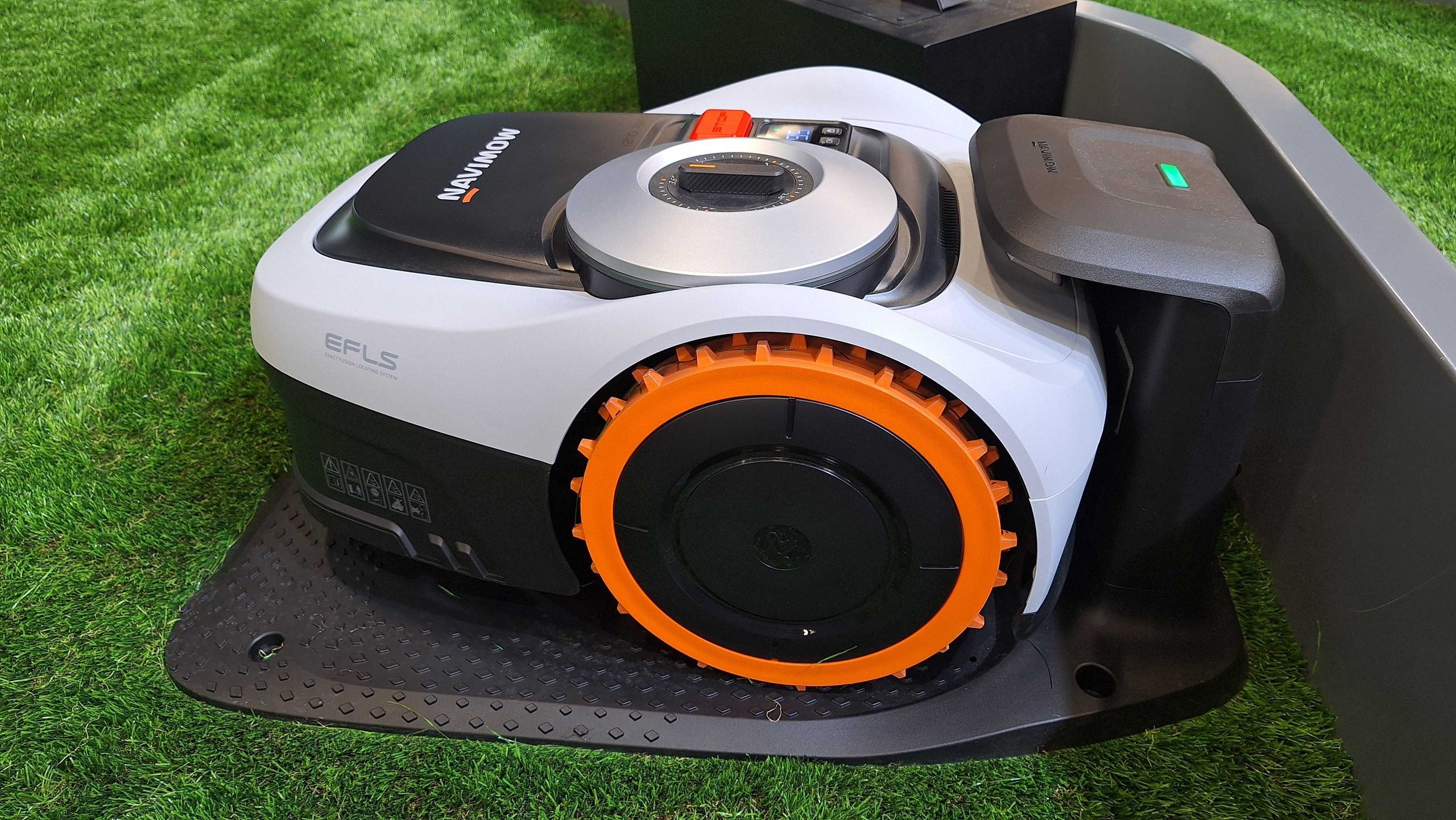
- Segway Navimow introduces five advanced robotic mowers at CES 2026, featuring upgraded navigation and ‘Xero-Turn’ technology.
- The focus is on making robotic mowers user-friendly, adapting to complex terrains and weather conditions without user intervention.
- Misperceptions about robotic mowers persist, with many consumers believing they only work on flat lawns and require constant oversight.
Innovations in Robotic Lawn Mowing
Robot lawn mowers have significantly evolved, showcasing advanced capabilities at CES 2026. A highlight was Segway Navimow, whose CEO, George Ren, discussed the transformation in the robot mower market and the hurdles that remain. Ren notes that today’s standard has shifted from just being “wire-free” to having “senseless intelligence,” which allows the machines to function like invisible gardeners. These lawnbots adapt to complex environments autonomously, alleviating the need for constant user involvement.
Segway Navimow plans to enhance its offerings with five new models that boast critical technological enhancements. Among these, a LiDAR-based model has been developed for better navigation in smaller, obstacle-filled yards. The new ‘Xero-Turn’ technology enables tight pivots without damaging the grass, contributing to a cleaner mowing experience.
Ren believes these upgrades will drastically improve user satisfaction. “They are backed by massive algorithmic engineering with one sole objective: ensuring that users, over long-term use, hardly ever need to think about ‘localization’ as an issue,” he explained. Furthermore, Segway Navimow’s team is dedicated to ensuring their products can handle extreme weather and challenging terrain. They’ve even aimed to simulate manual mowing patterns, aiming for a natural, human-like result.
Despite the impressive technical advancements, Ren emphasizes that customer perception is paramount. He stated, “Users don’t care about RTK or AI algorithms, but only about whether lawn mowing is aesthetically pleasing and whether product use is hassle-free.”
The concept of “wire-free” mowing is crucial, considering that these wires have become obsolete in the robotic mower sector. However, misconceptions remain among potential buyers, who often believe these devices are only effective on flat lawns or need continuous monitoring. In reality, this year’s robotic mowers are engineered for complex gardens with multiple safety features, designed for independent operation and minimal day-to-day maintenance.
As the technology behind robotic lawn mowers continues to progress, it’s clear that educating consumers about their capabilities will be as vital as the innovations themselves.
The content above is a summary. For more details, see the source article.









