


Key Takeaways
- Siemens Energy is expanding projects in Latin America and the Caribbean, focusing on modernizing ports and enhancing energy efficiency.
- Data centers are a significant growth sector in Latin America, particularly in Mexico, with projected investments exceeding $9 billion by 2029.
- Key challenges include regulatory uncertainties, high financing costs, outdated infrastructure, and the need for skilled workforce development in the energy transition.
Energy Transition in Latin America and the Caribbean
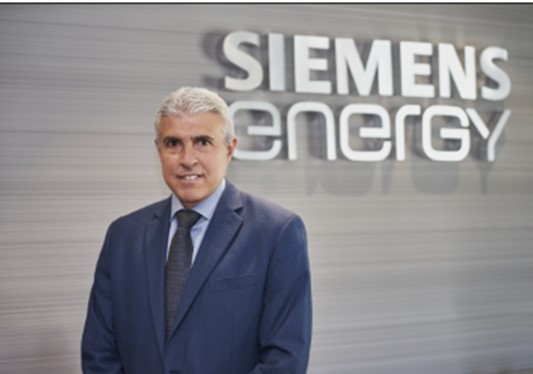
Siemens Energy is actively involved in the energy transition across Latin America and the Caribbean, driven by the incorporation of new technologies throughout various sectors. According to Javier Pastorino, managing director of Siemens Energy for LatamNorth, the company is not only delivering an energy solution to Nassau’s cruise port but is also engaged in various modernization projects for commercial and tourist ports in the region. Numerous ports face urgent needs for energy efficiency and emissions reduction, driven by local governments’ initiatives aimed at improving power generation and regional interconnection.
This transition is critical as Central America and the Caribbean contend with significant climate challenges such as hurricanes and flooding, necessitating robust and flexible energy solutions. The trend toward shore-to-ship electrification and replacing diesel generation on board ships with clean energy needs to accelerate to meet international sustainability standards and improve logistics competitiveness.
The growth of artificial intelligence and data centers presents both opportunities and challenges for Siemens Energy. Mexico has emerged as the second-largest data center market in Latin America, with over 1,200 MW installed and projected investments exceeding $9 billion by 2029. This rapid growth, however, highlights issues around the availability of reliable, clean energy and advanced cooling solutions. The International Energy Agency (IEA) forecasts that global electricity consumption by data centers will double by 2026, stressing the need for Mexico to enhance its power grid resilience and reliability to support this growth.
The integration of non-conventional renewable energy sources into the region’s energy matrix has seen rapid progress, with 70% of installed capacity derived from clean technologies. However, challenges such as the intermittent nature of renewables necessitate the incorporation of battery energy storage systems, which Siemens Energy is actively promoting throughout Latin America.
Looking ahead, several drivers will shape Siemens Energy’s business through 2026, including increased nearshoring, digitalization, and the expansion of renewable energy sources. The need for solid energy infrastructure will be paramount, particularly as Latin America holds significant reserves of lithium and other essential minerals for the green energy transition.
However, roadblocks such as regulatory uncertainty, high capital costs, aging infrastructure, and skill shortages pose significant challenges. Siemens Energy is focused on overcoming these hurdles through innovative financing, partnerships, and training programs to develop a skilled workforce essential for a fair and inclusive energy transition. The emphasis remains on ensuring universal access to clean energy and creating quality jobs while respecting the rights of local communities.
The content above is a summary. For more details, see the source article.









