Key Takeaways
- Skyroot Aerospace became the first Indian private company to successfully launch an orbital-class rocket, Vikram-1, placing payloads into low-Earth orbit.
- The mission marked a significant step in India’s private space sector, demonstrating the capacity for independent technological capabilities.
- Skyroot plans further developments, including Vikram-2, while aiming to enhance India’s space economy significantly.
Vikram-1 Launch Milestone
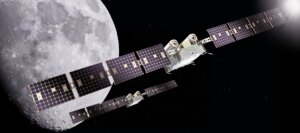
Skyroot Aerospace successfully launched Vikram-1 during its inaugural flight, making it the first Indian private firm to design, build, and operate an orbital-class rocket. Launched from the Satish Dhawan Space Centre, the mission deployed the SCOPE and Solaras satellites into a low-Earth orbit of approximately 450 km.
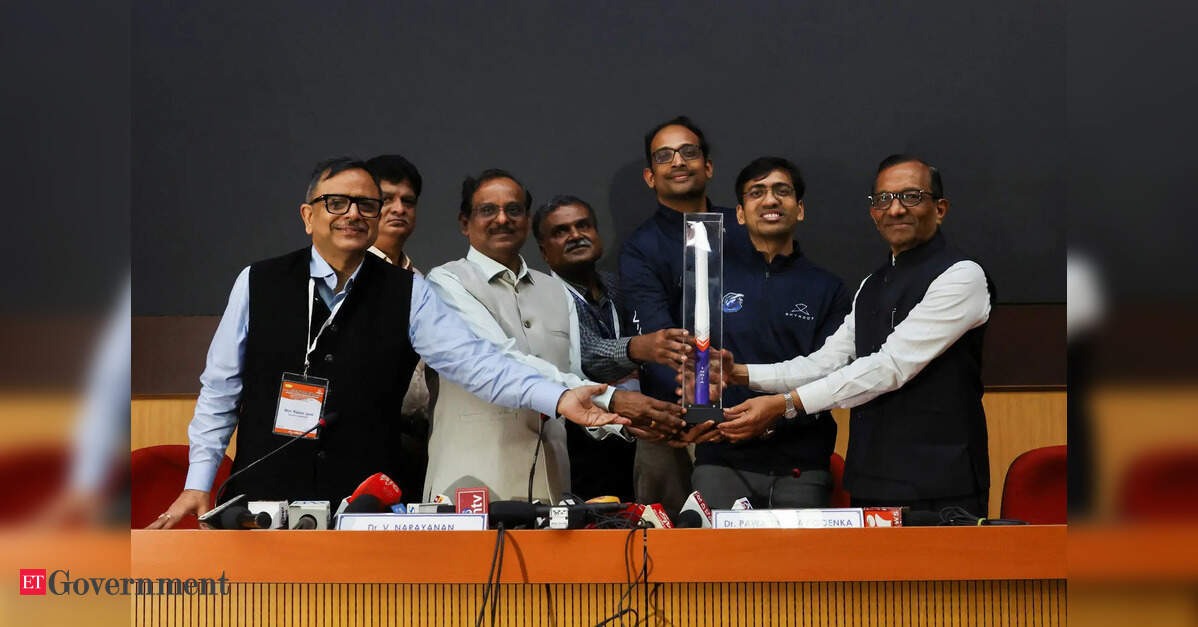
Prime Minister Narendra Modi praised Vikram-1 as a “historic new frontier” for India’s space journey. He emphasized the entrepreneurial spirit driving India’s space reforms, which facilitate innovation and growth in the sector. A handwritten postcard from Modi, inscribed with “Vande Mataram,” accompanied the rocket, symbolizing national pride.
Dr. V. Narayanan, ISRO Chairman, acknowledged the achievement as indicative of the increasing maturity of India’s private space sector, showcasing the integration of private endeavors with government infrastructure. Vikram-1’s development was supported by ISRO, which provided facilities and expertise throughout various stages, from design to launch.
The launch, as confirmed by Dr. Pawan Goenka, IN-SPACe Chairman, marks a critical success not just for Skyroot but for a network of 400 suppliers contributing to the broader space economy. Skyroot’s launch program generates demand for advanced manufacturing and engineering services, potentially leading to a flourishing domestic space ecosystem.
Vikram-1 stands 22 meters tall, featuring a four-stage design using solid and liquid fuels. It showcases advanced technologies including 3D-printed components and sophisticated separation systems. The mission not only confirmed the rocket’s flight capabilities but also validated essential systems under operational conditions.
Skyroot, founded in 2018 by ex-ISRO scientists, is poised for further advancement with plans for Vikram-2, aimed at carrying 1,000 kg payloads to low-Earth orbit by 2027. It also seeks to establish a fully reusable rocket model, demonstrating ambitious long-term goals amid a competitive global landscape.
The expanding market for small satellite launches, fostered by rising demand for dedicated missions, presents opportunities for Skyroot. However, competitive pricing against established players like SpaceX and Rocket Lab poses challenges. Vikram-1’s success allows Skyroot to emphasize responsive launch capabilities, customized deployments, and rapid turnarounds.
The mission signifies a broader shift in India’s space endeavors, enhancing national security autonomy and supporting diverse civilian applications. With the government’s ambition to elevate India’s space economy from $8 billion to $44 billion by 2033, the success of Vikram-1 establishes a foundation for ongoing growth and commercial viability in the private space sector.
As Skyroot transitions from proving its technological prowess to establishing a reliable launch routine, the focus will shift to consistent operations, customer commitments, and further advancements.
The content above is a summary. For more details, see the source article.