


Key Takeaways
- Jacqueline Raich is developing Primer, a smart mirror using augmented reality and AI, designed to guide users through makeup applications.
- The mirror, priced between $500 and $1,000, is set for release in late 2027 or early 2028 and will include tutorials tailored to individual user needs.
- Raich aims to build a community for makeup enthusiasts while ensuring user data privacy and creating a profitable business model.
Innovative Solution for Makeup Application
Jacqueline Raich’s journey to innovation began with a wedding makeup disaster that many can relate to. After attempting a spunky green eyeshadow look at a friend’s wedding and feeling like a “raccoon,” she realized there had to be a better way for women to apply makeup confidently. Despite the plethora of beauty tutorials available, Raich’s research showed that 60% of women struggle to replicate these looks on their own.
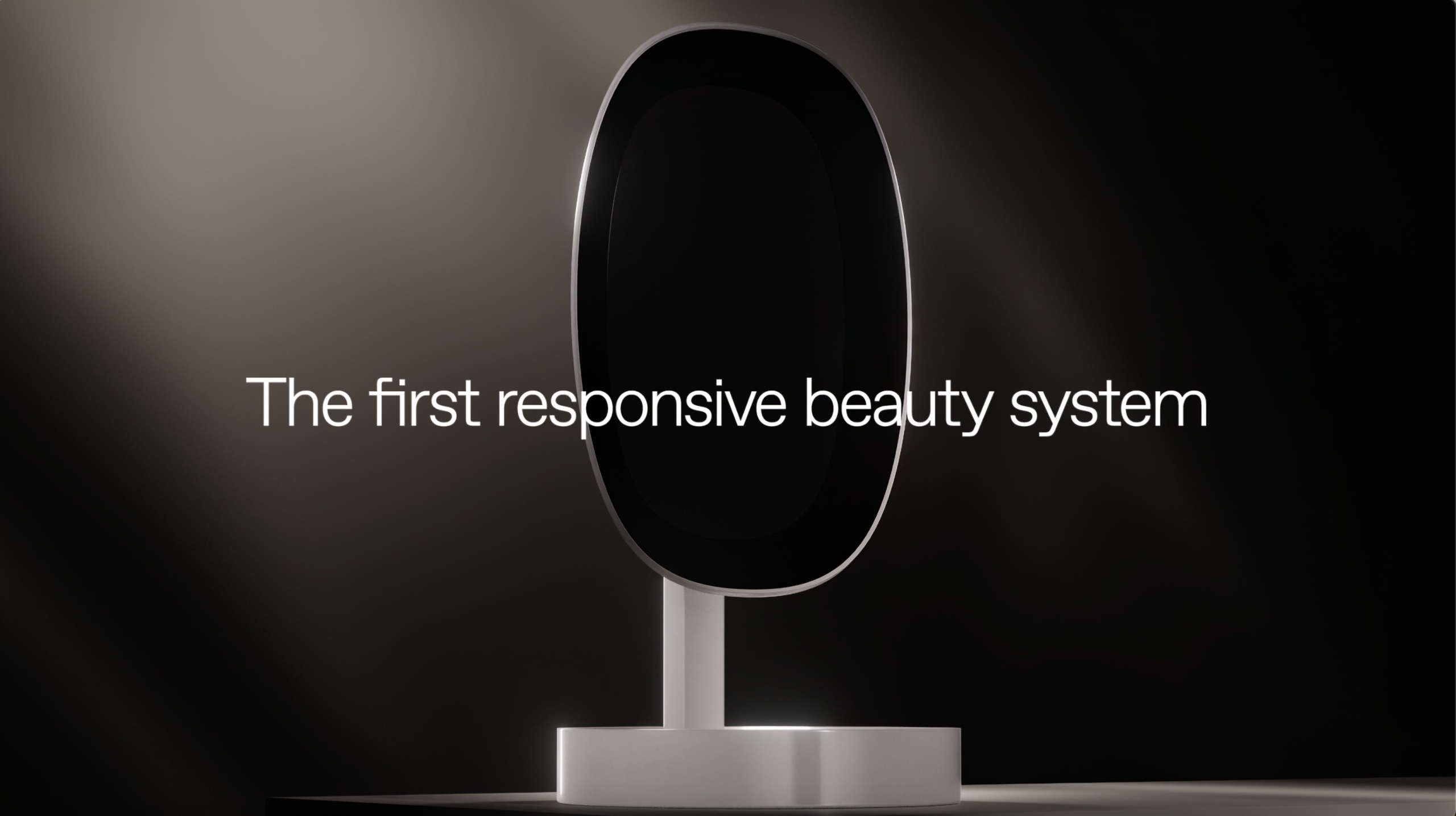
In June last year, she left her role as director of business strategy at Bloomingdale’s to create that missing solution: Primer, a smart mirror leveraging augmented reality and artificial intelligence. The mirror will evaluate users’ facial features and suggest tutorials that match their skills and preferences. It is expected to launch in late 2027 or early 2028.
Leading the engineering efforts is Brad Augustine, former VP of hardware at Mirror. Primer will be supported by a companion app, which serves as a remote control, allowing users to select looks and access various tutorials. The anticipated price range for the mirror is $500 to $1,000, with a monthly subscription fee of $5.99 for access to looks, including basic and premium tutorials from influencers.
Raich’s vision incorporates a user-generated content marketplace, where influencers can share looks and product recommendations. This community-driven platform hopes to empower users by centralizing the often-disparate aspects of makeup discovery and mastery. With 95% of women still using analog mirrors for makeup, Primer aims to create a personalized guidance experience that solves the complexity of many tutorials.
The smart mirror’s AI capabilities will adapt to users over time, functioning like a mentor that grows with their skills. Raich emphasizes the importance of privacy, ensuring that user data will not be sold or misused. “We have to be extra careful about what data we’re collecting,” she states, given the intimate nature of using the mirror in private spaces.
Raich envisions building a community among users, encouraging them to share their makeup journey through before-and-after images and recorded tutorials. She believes this interactive platform can catalyze discussions about makeup and product recommendations, similar to how recipes are shared among cooking enthusiasts.
Currently self-funding Primer, Raich is pursuing an $8 million fundraising goal to bring her product to market. While the startup landscape for wearable hardware is rife with skepticism, she remains optimistic about Primer’s profitability. She asserts that the business model will not rely solely on hardware sales but plans for revenue through additional offerings.
Though several smart beauty mirrors exist, Raich acknowledges that Primer must surpass its competitors by delivering a seamless user experience. The technology must be efficient, visually appealing, and free of glitches. “If it’s glitchy, if there’s latency, if it doesn’t look cool, then it’s a no-go,” she explains, while also leveraging her background as a buyer to refine the product according to consumer demand.
In conclusion, Primer represents a significant step forward in making makeup application accessible and enjoyable for women struggling to master their looks. With a focus on personalized guidance, community building, and user privacy, Raich’s innovative approach promises to reshape how beauty enthusiasts engage with makeup in their daily routines.
The content above is a summary. For more details, see the source article.









