


Key Takeaways
- The Gemini Solar Project in Nevada preserved the desert’s native soil and seed bank, rather than clearing the land entirely.
- Researchers found a surprising increase in the rare three-corner milk vetch plant, which flourished after the solar farm was established.
- This case challenges the assumption that large-scale renewable energy projects must harm delicate ecosystems, suggesting potential for biodiversity integration.
Unanticipated Ecological Impact of Solar Energy
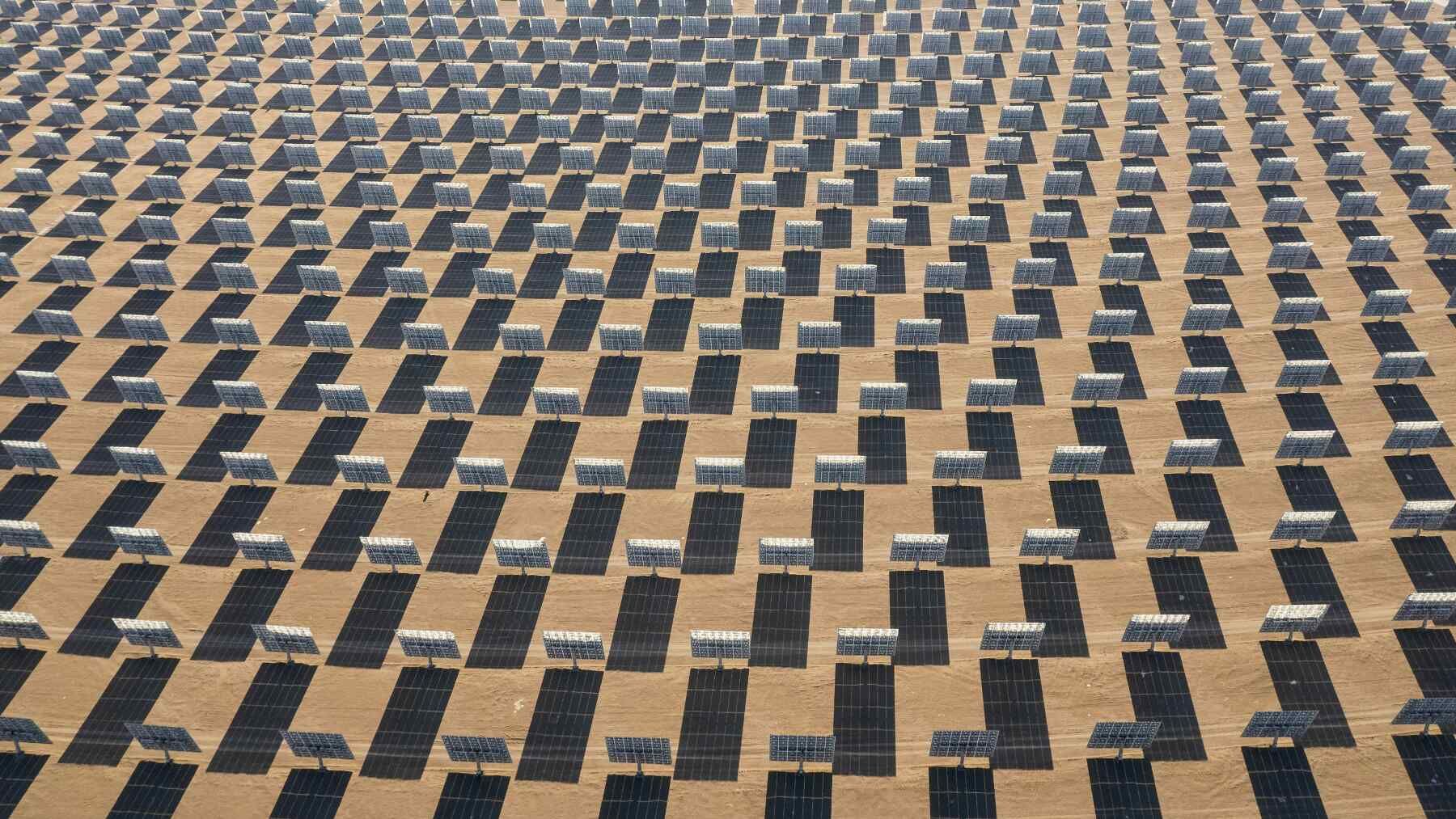
The Gemini Solar Project, one of the largest solar facilities in the U.S., challenges traditional views on the ecological impacts of renewable energy development. Typically, large solar installations enhance energy production but often come with significant habitat disruption in delicate environments like the Mojave Desert.
Conventional wisdom suggests that large-scale projects necessitate a “blade and grade” approach where the land is completely cleared, leaving little room for native flora. However, developers of the Gemini project made a crucial decision to retain much of the native soil and dormant seed bank beneath their solar panels. Initially seen as a technical choice, this approach yielded unexpected ecological benefits.
Years after the project’s completion, researchers returned to the site and discovered an unusual proliferation of the rare three-corner milk vetch. Prior to the installation, only 12 individual plants had been documented in the area, but by the second year post-construction, that number had surged to 93. This striking increase indicates that instead of outright destruction, the disturbance during construction provided an opportunity for dormant seeds to germinate.
This unexpected ecological response poses significant questions about the broader implications of solar energy projects on local ecosystems. Rather than a straightforward trade-off between clean energy and environmental loss, the Gemini Solar Project illustrates that design choices can facilitate coexistence between solar power generation and biodiversity.
While it cannot be assumed that all solar facilities will enhance local ecosystems, the instance at Gemini suggests that thoughtful planning and minimal land disruption could allow for beneficial outcomes, countering the narrative that clean energy projects and conservation are inherently in conflict.
Ultimately, this case underscores the importance of considering environmental impacts in renewable energy development, opening the door for innovative practices that prioritize both energy production and ecosystem preservation. As the demand for renewable energy grows, experiences like that of the Gemini Solar Project could shape future approaches to sustainable development in fragile ecosystems.
The content above is a summary. For more details, see the source article.









