Key Takeaways
- The first metal 3D part printed in orbit has returned to Earth from the International Space Station.
- The metal 3D printer was developed by Airbus and successfully operated by ESA astronaut Andreas Mogensen in January 2024.
- This innovation is essential for future space missions, enabling on-demand manufacturing and reducing reliance on resupply missions.
First Metal 3D Part Printed in Space Returns to Earth
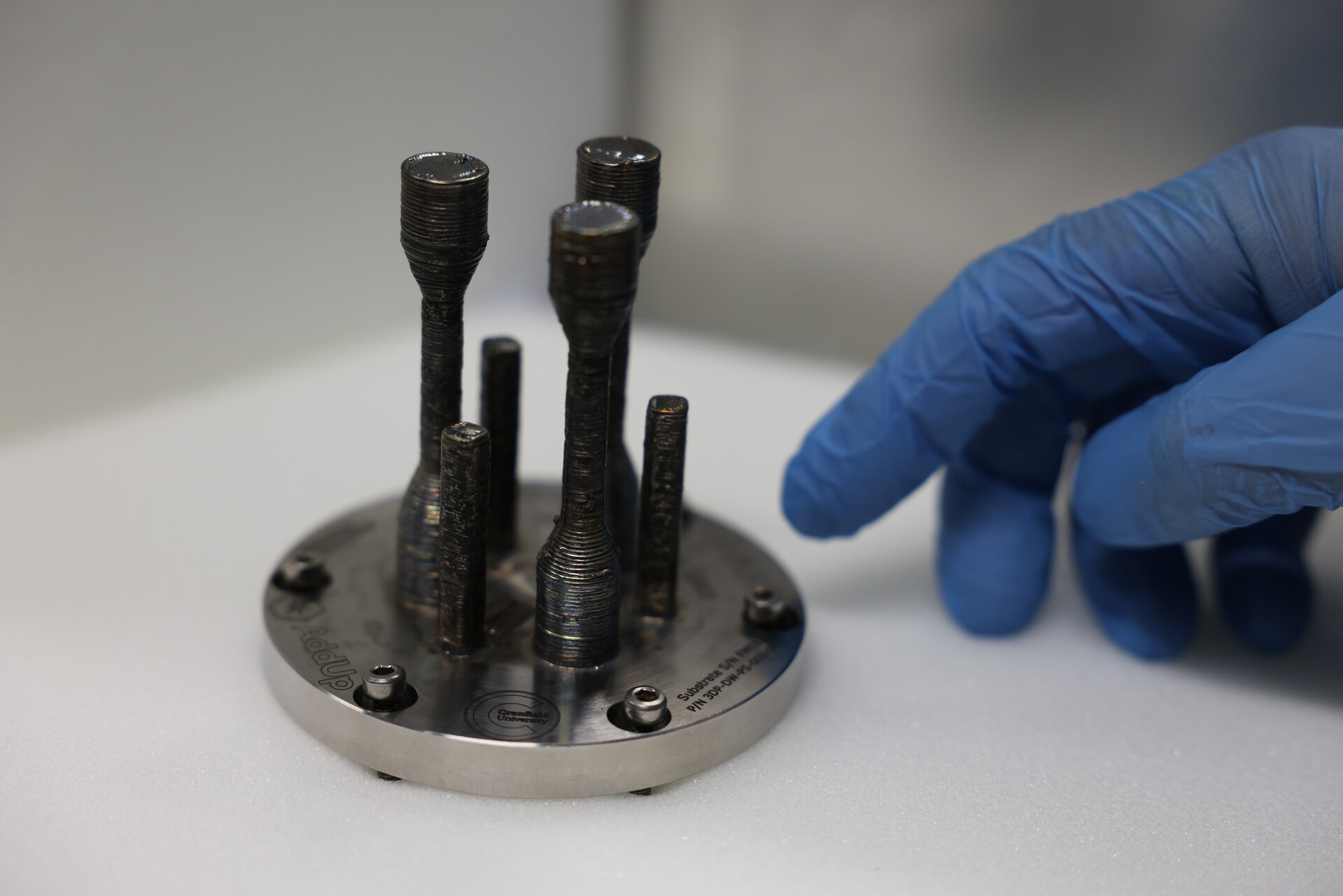
The first metal component ever created in space has landed back on Earth after being produced by the European Space Agency’s (ESA) Metal 3D Printer aboard the International Space Station (ISS). The sample is currently located at ESA’s technical center, ESTEC, in the Netherlands. This milestone is a significant achievement in aerospace manufacturing.
The metal 3D printer was installed in the Columbus module by ESA astronaut Andreas Mogensen during his Huginn mission in January 2024. After a successful installation, the printer commenced its operations, successfully printing its initial piece in June—a curvy ‘S’ shape. This summer marked a critical advancement, as the printer created its first full sample, followed by a second sample in December.
The returned metal sample will undergo testing at the Materials and Electrical Components Laboratory at ESTEC. Researchers will compare it to samples that were printed on Earth to determine the effects of microgravity on the printing process, which can differ significantly from ground-based manufacturing.
The innovation of metal 3D printing in space holds great promise for upcoming space explorations. In contrast to previous missions that utilized plastic 3D printers, this breakthrough signifies a new approach to manufacturing essential components directly in orbit. As space missions extend beyond Earth’s orbit, the ability to produce parts and tools on demand becomes imperative. This capability would enhance self-sufficiency for astronauts by allowing them to repair equipment and create necessary tools without the delay and cost of resupply missions.
ESA’s initiative reflects the growing focus on in-space manufacturing as a critical component of future exploratory missions, paving the way for greater autonomy in space exploration. The second metal sample produced is set to be handed over to the Technical University of Denmark (DTU) for further research and study, indicating ongoing collaboration in refining this technology.
In summary, the successful operation of the metal 3D printer in space is a noteworthy step forward for in-space manufacturing, potentially transforming how future missions approach supply and maintenance challenges. As astronauts prepare for longer-duration missions, this technology will play an essential role in defining the future of sustainable exploration.
The content above is a summary. For more details, see the source article.