Key Takeaways
- The global space technology market is projected to grow from USD 476.62 billion in 2024 to over USD 1 trillion by 2034, with a CAGR of 7.86%.
- North America leads the market, holding 55.84% share in 2024, while Asia Pacific is the fastest-growing region with a projected CAGR of 9.59%.
- Advancements in artificial intelligence (AI) are revolutionizing satellite operations, enabling greater efficiency and reducing costs in space missions.
The space technology market is on an upward trajectory, with the sector expected to more than double in size over the next decade. Valued at USD 476.62 billion in 2024, it is projected to reach over USD 1,012.13 billion by 2034, reflecting a CAGR of 7.86% from 2025 to 2034. This growth is largely fueled by increased investments in satellite development, expanding space exploration, and the emergence of commercial ventures.
Key drivers of this market expansion include the rising need for satellite communications, Earth observation, and navigation systems across various sectors such as defense, agriculture, and transportation. The competitive landscape is intensifying, with innovative private companies like SpaceX and Blue Origin pushing advancements and lowering costs in launch services and satellite production. Technologies such as reusable launch vehicles and miniaturized satellite systems are becoming game changers, alongside the integration of artificial intelligence (AI), which enhances operations, predictive maintenance, and data analysis.
### Growth by Region
North America remains the dominant player in the space technology market, with a 55.84% share worth USD 266.15 billion in 2024. The U.S. benefits from a robust infrastructure, led by major entities like NASA and private companies transforming the industry. Europe follows, valued at USD 98.39 billion and showing steady growth via cooperative efforts through the European Space Agency and individual national programs.
Asia Pacific is set to be the fastest-growing region, aiming for a CAGR of 9.59% from 2025 to 2034, driven by nations such as China and India expanding their space capabilities. Emerging markets in Latin America and the Middle East & Africa are also gaining traction, although they currently hold smaller shares of the market.
### Innovations and Applications
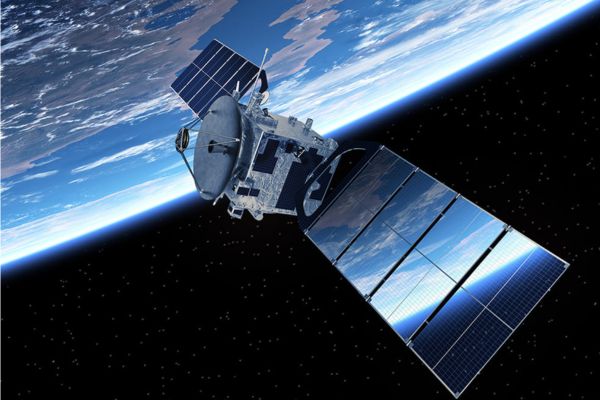
AI is a key factor reshaping the space technology landscape, facilitating more efficient satellite operations, enhancing navigation systems, and improving data processing from satellite imagery. Notable applications of satellite technology span navigation, mapping, weather forecasting, disaster management, and scientific research.
The commercial sector, particularly satellite communications and Earth observation, is expanding as companies tap into space-based services, resulting in reduced costs and increased accessibility. With growing interest from governmental and private entities, the global space economy is transitioning towards a more competitive and innovative future, making it an exciting sector to monitor in the coming years.
The content above is a summary. For more details, see the source article.