Key Takeaways
- SpaceX successfully launched 22 Starlink satellites from California, enhancing its global high-speed internet network.
- The launch demonstrates SpaceX’s rapid deployment strategy for the Starlink project, crucial for expanding internet access to remote areas.
- Future plans include launching thousands more satellites, potentially reshaping global communication and connectivity landscapes.
Launch Highlights
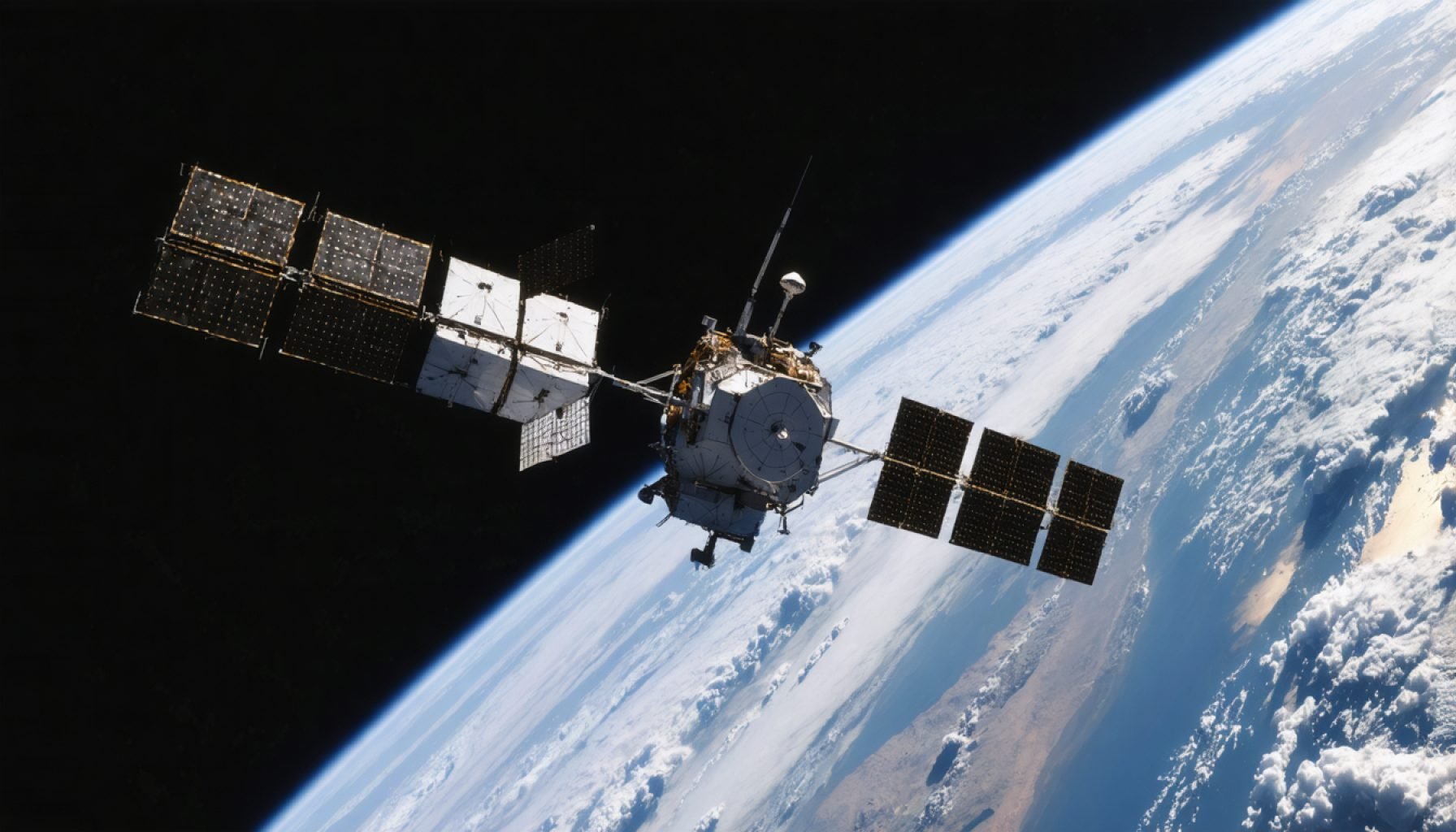
SpaceX has successfully launched 22 Starlink satellites into orbit using its Falcon 9 rocket from California, marking a significant milestone in the company’s mission to establish a global high-speed internet network. This launch reinforces SpaceX’s position as a leader in revolutionizing space technology and satellite communication.
The significance of this launch lies in its contribution to the rapid deployment of the Starlink project. Each of the 22 satellites is an integral part of a larger constellation designed to deliver reliable internet access, particularly in remote and underserved regions. The ability to deploy multiple satellites in one mission showcases SpaceX’s innovative capabilities and its commitment to providing global communication solutions.
As SpaceX prepares to launch thousands more satellites in the upcoming years, its efforts to expand internet coverage indicate a transformative potential for global connectivity. This initiative promises to enhance how individuals and communities access the internet, particularly in locations with limited traditional internet infrastructure.
SpaceX’s Starlink satellites feature groundbreaking innovations, such as inter-satellite links, which enable them to communicate with one another in orbit. This technology helps minimize latency and optimize data throughput. Equipped with powerful antennas and advanced propulsion systems, these satellites are designed to provide improved functionality and reliability, particularly in diverse geographical environments.
Unlike traditional internet service providers, which rely on ground-based infrastructure, Starlink significantly reduces deployment costs and time. Its low-earth orbit positioning offers lower latency and broadband-like speeds, making it an attractive alternative for underserved areas. However, challenges remain, including susceptibility to weather disruptions and visibility issues, which can impact service quality.
The proliferation of Starlink satellites is reshaping the telecommunications market by introducing competition and driving down prices. This innovation encourages further investment in satellite technologies among competitors. Nevertheless, concerns regarding space traffic management and the environmental impact of increased satellite launches must also be addressed.
Industry analysts predict substantial growth for global satellite internet services, with market revenue expected to exceed several billion by 2030. This expansion is primarily driven by the demand for connectivity solutions in areas lacking reliable conventional infrastructure. SpaceX is poised to lead this dynamic sector, continuously implementing new technologies to enhance capacity and coverage.
In summary, the launch of 22 Starlink satellites is a critical advancement in rethinking global internet infrastructure. As the constellation continues to grow, so too does the potential for reshaping connectivity worldwide, solidifying SpaceX’s role as a pioneer in global communication technology.
The content above is a summary. For more details, see the source article.