


Key Takeaways
- TfL secures zero-carbon electricity directly from SSE’s solar projects.
- The partnership aims to enhance sustainability efforts in London.
- Electricity will bypass the National Grid, promoting energy independence.
Partnership Overview
Transport for London (TfL) has entered a partnership with SSE, allowing TfL to receive zero-carbon electricity directly from dedicated solar installations. This innovative agreement enables TfL to harness renewable energy while promoting sustainability in urban infrastructure.
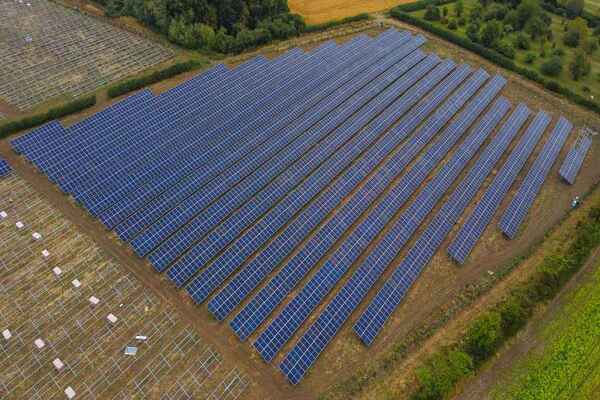
The solar projects, notably located at Littleton Pastures near Evesham, Worcestershire, are designed to supply clean energy to TfL, which is a significant step towards reducing carbon emissions in London. By enabling direct electricity supply from these solar farms, the partnership eliminates the need to use the National Grid, thereby fostering energy independence and efficiency.
This project aligns with TfL’s broader commitment to environmental sustainability and supports London’s ambition to achieve net-zero carbon emissions by 2030. Through this initiative, TfL aims not only to enhance its infrastructure but also to set a precedent for other city services to follow suit in adopting renewable energy solutions.
With renewable energy sources becoming increasingly vital, this collaboration stands as a forward-looking example of how urban transport bodies can adapt to climate challenges. The direct procurement of solar energy from SSE illustrates the potential for local sources to meet urban energy demands.
TfL’s initiative demonstrates that cities can play a crucial role in the transition to sustainable energy, offering a model that could inspire similar efforts across other urban regions. Moreover, it reinforces the importance of partnerships between public entities and energy providers in addressing climate change effectively.
Overall, the integration of solar energy into TfL’s operations represents a significant move toward greener public transport, supporting London’s long-term environmental goals and showcasing the viability of renewable solutions in urban settings.
The content above is a summary. For more details, see the source article.









