


Key Takeaways
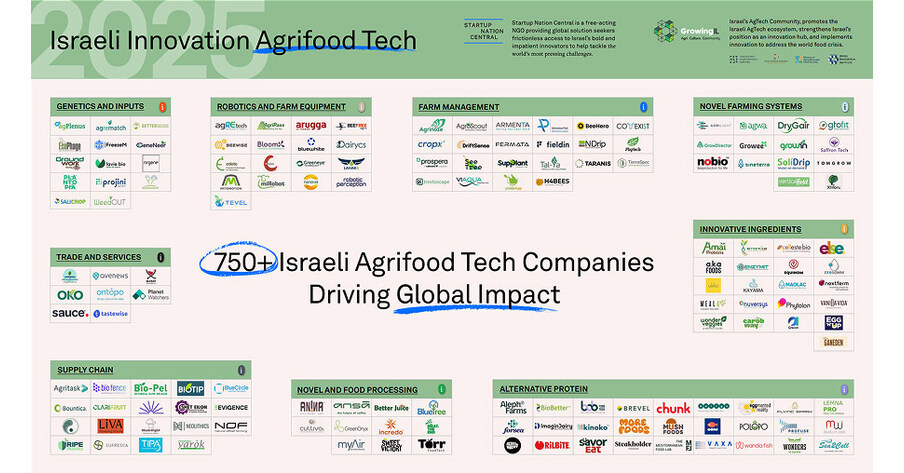
- Israeli agrifood-tech saw over $1 billion in investments, with significant focus on robotics and farm equipment.
- Strategic partnerships with global corporations enhanced the sector’s strength and resilience amid economic challenges.
- Innovations include AI for nutrition, solar-powered systems, and synthetic biology, positioning Israel as a leader in sustainable agrifood solutions.
Investment and Growth in Israeli Agrifood-Tech
Despite global economic challenges, 2024 marked a year of robust growth in the Israeli agrifood-tech sector. The industry attracted substantial investments, demonstrated by 33 funding rounds exceeding $1 million, with more than 30% of the capital funneled into robotics and farm equipment startups. This sector continues to flourish, addressing agricultural labor shortages through automation and precision agriculture advancements.
Significant partnerships with multinational corporations have fostered growth within the agrifood-tech ecosystem. These collaborations have integrated advanced agritech and food solutions into global supply chains, further strengthening the sector. Robotics emerged as a vital innovation, streamlining agricultural tasks and ongoing labor challenges.
Israeli startups are at the forefront of multiple innovation fields, with advancements that reach beyond agriculture to impact health, energy, and sustainability. Notable initiatives include:
– **Precision Nutrition for Chronic Disease Prevention**: AI-driven dietary solutions and functional foods are being developed to mitigate chronic health issues such as diabetes, obesity, and cardiovascular disease, underscoring a trend towards personalized nutrition and preventive healthcare.
– **AgriTech and Clean Energy**: Pioneering efforts include solar-powered irrigation systems and carbon-sequestering crops, which play a crucial role in reducing the agricultural carbon footprint.
– **Synthetic Biology and Cellular Agriculture**: Innovations such as lab-grown meat, engineered microalgae, and alternative proteins aim to revolutionize traditional food supply chains and tackle food security and land conservation issues.
– **Bioconversion and Upcycling**: Startups are creating biotech solutions that convert agricultural waste into high-value products like protein powders, biofertilizers, and biofuels, advancing circular economy practices.
Overall, the Israeli agrifood-tech sector remains resilient and poised for continued innovation and growth in 2025. As multinationals and investors intensify their participation, Israel solidifies its status as a global leader in agrifood-tech solutions, contributing significantly to sustainable practices and addressing global challenges in agriculture and food security.
The content above is a summary. For more details, see the source article.









