


Key Takeaways
- Oman’s smart cities aim to blend modernity with traditional architecture, embodying the nation’s identity.
- Sultan Haitham City exemplifies this vision, utilizing sustainable practices and local materials.
- Heritage values are integral to urban planning, fostering community while maintaining privacy and social interaction.
Innovative Urban Transformation in Oman
The Sultanate of Oman is actively developing smart cities that bridge modern urban demands with traditional cultural elements, creating a unique national identity within its urban transformations. The overarching goal, aligned with Oman Vision 2040, is to foster harmony between heritage and contemporary living through innovative architectural approaches.
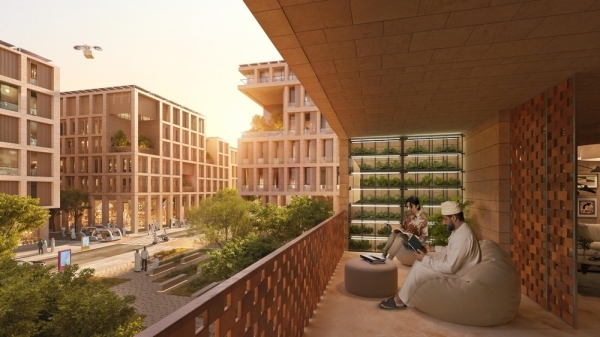
Sultan Haitham City showcases this balance, serving as both a model for future urban projects and an attractive investment site. Hassan bin Ali al Shukri from the Executive Office for Smart City Projects emphasizes that these smart cities are more than just digital infrastructures; they are vital for revitalizing identity and enhancing the quality of life. Drawing inspiration from traditional Omani architecture, these cities incorporate smart technologies like sensing systems and climate controls while utilizing local materials to reduce emissions and provide natural thermal insulation.
Traditional architectural features, such as windows and mashrabiyas (lattice screens), play a crucial role in optimizing ventilation and lighting. Urban planning encourages walking through shaded paths, which mitigate heat. Oman’s approach to smart city development uses historical design concepts to create sustainable urban solutions. Elements from Omani heritage—including systems like aflaj (traditional irrigation), earthen buildings, and narrow alleys—serve as foundational frameworks that support energy efficiency and improve urban aesthetics.
Dr. Haitham bin Najim al Abri, an architect and urbanism researcher, highlights Oman’s distinctive nature in blending building arts with respect for the environment. He notes that the country’s architectural methods are adaptable to its diverse terrains while maintaining cultural integrity and sustainability. This approach emphasizes that smart cities should not simply replicate global models but should build on local ingenuity, ensuring technology enhances rather than diminishes heritage.
Abdulaziz bin Mohammed al Balushi, a property owner in Sultan Haitham City, reinforces this notion by explaining how heritage values inform the technical and infrastructural designs of these smart cities. Privacy in residential areas is prioritized while community spaces like mosques, majlis, and parks foster social cohesion and interaction.
The architectural character of Oman’s smart cities captures the essence of Omani identity through traditional elements, such as arches and engravings, combined with modern amenities like smart lighting and interconnected green spaces. This design philosophy ensures residents experience a living environment that remains authentically linked to their heritage while enjoying the conveniences of modern life.
The content above is a summary. For more details, see the source article.









