


Key Takeaways
- President Trump has delayed new tariffs on Mexico and Canada for 30 days after securing commitments from both countries to enhance border security.
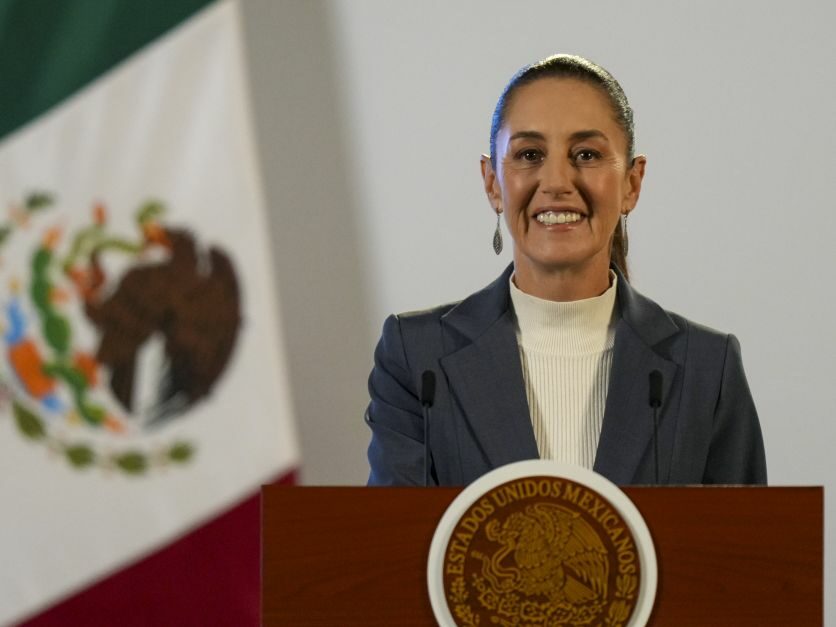
- Mexican President Claudia Sheinbaum agreed to deploy 10,000 soldiers to the U.S. border, while Canada promised to bolster its defenses with technology and personnel.
- The U.S. agriculture sector welcomed the tariff pause, as retaliatory tariffs from Canada could significantly impact various agricultural exports.
Tariff Delay Amid Security Commitments
President Donald Trump has postponed the implementation of new tariffs on Mexico and Canada, initially set to go into effect at midnight. This decision follows discussions with leaders from both countries, during which Trump announced that he obtained commitments to enhance border security measures.
In a post on Truth Social, Trump mentioned that Mexican President Claudia Sheinbaum agreed to send 10,000 Mexican soldiers to the U.S. border to specifically address the issues of fentanyl smuggling and illegal immigration. Trump’s dialogue with Canadian Prime Minister Justin Trudeau also yielded positive results, with Trudeau pledging to elevate border security through increased manpower, helicopters, and advanced technology.
Both nations have committed to postpone any tariff actions for 30 days, granting Mexico a temporary reprieve. Trudeau further stated that Canada would appoint a Fentanyl Czar, list cartels as terrorists, and establish a Canada-U.S. Joint Strike Force to tackle organized crime and drug trafficking.
Canada had already set plans into motion to enhance its border security, including a C$900 million investment announced in December. This initiative encompasses the deployment of helicopters, drones, and mobile surveillance towers to improve oversight along the border.
Additionally, the U.S. is slated to continue negotiations with both countries, aiming for comprehensive agreements. However, specifics on these potential deals remain under discussion. Secretary of State Marco Rubio will lead the negotiations with Mexico, joined by Treasury Secretary Scott Bessent and Howard Lutnick, Trump’s nominee for the Commerce Department.
In conversations regarding broader security concerns, Sheinbaum noted that over 30 minutes were spent talking about immigration and drug trafficking at the U.S. border. Interestingly, Trump’s remarks did not address the illegal trafficking of weapons, which is a common issue between the U.S. and Mexico.
The agriculture community in the U.S. has greeted the postponement with relief, as the prospect of retaliatory tariffs from Canada had been looming. American Farm Bureau Federation President Zippy Duvall expressed optimism about the administration’s efforts, emphasizing the importance of keeping international markets accessible and stable food supplies in the U.S.
Canada’s retaliatory tariff package, approximating C$155 billion (around $107 billion U.S.), was prepared to target a variety of agricultural products, including fruits, vegetables, and dairy. Mexico is also a critical export market for U.S. grains and had threatened to retaliate against any tariff hikes.
Experts in agricultural consulting have stressed that, while tariffs pose challenges, logistical difficulties prevent Mexico from immediately substituting U.S. agricultural imports with those from other countries like Brazil. This ongoing dialogue between the U.S., Canada, and Mexico underscores the interdependence of their agricultural sectors and the importance of resolving these trade disputes efficiently.
As the U.S. agriculture sector braces for potential changes and impacts, the negotiated pause on tariffs offers a chance for constructive dialogue and collaboration among the neighboring countries.
The content above is a summary. For more details, see the source article.









