


Key Takeaways
- Harlem is leading a movement towards renewable energy, particularly solar power, enhancing local community resilience and economic opportunities.
- Adoption of solar energy contributes to job creation, reduced energy costs, and increased sustainability in the community.
- Harlem’s renewable energy initiatives are also positively impacting New York City’s overall energy landscape and public health.
Harlem is experiencing a renaissance marked by its leadership in renewable energy, driving social and economic upliftment through innovative energy solutions. Traditionally known for its rich cultural heritage, the neighborhood is making strides to embrace sustainable energy sources, particularly solar power, thereby positioning itself as a beacon of change in New York City.
Transforming Energy Generation
In recent years, Harlem and similar communities have explored alternative energy generation methods, contributing to a significant reduction in reliance on conventional energy infrastructures. Power Purchase Agreements (PPAs) allow local businesses to monitor energy usage while tapping into renewable sources, promoting the adoption of cleaner energy solutions.
Community Benefits of Renewable Energy
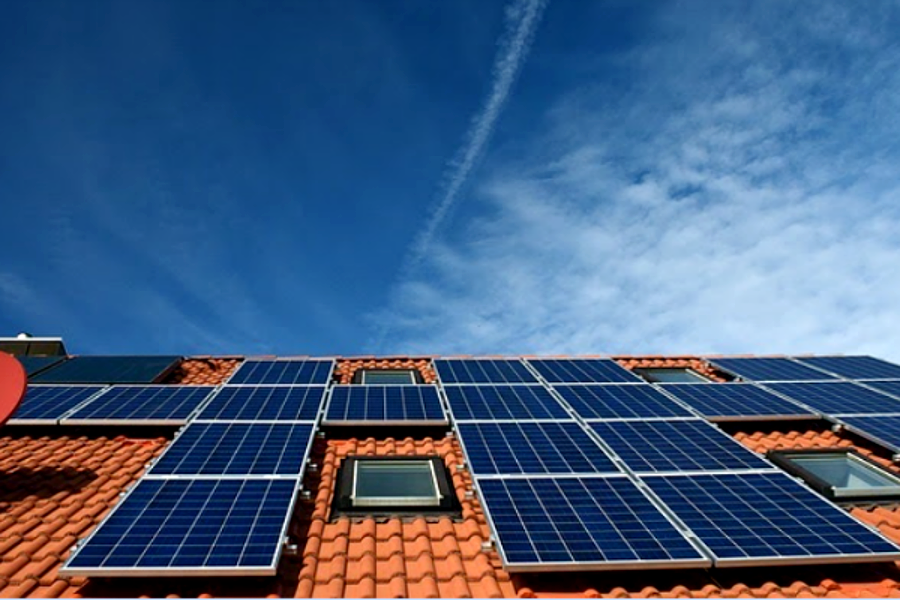
A key advantage of renewable energy initiatives is the generation of local jobs. As more residents and organizations install solar energy systems, there is a growing demand for trained workers, including solar panel installers and maintenance personnel. This shift not only invigorates the local job market but also stimulates the community’s economy.
Solar power also provides an affordable and reliable energy source, significantly lowering utility costs for households and businesses. Furthermore, it fosters resilience by enabling local areas to be less dependent on the central power grid, especially during power outages or natural disasters. The introduction of neighborhood microgrids facilitates local energy production, reinforcing that resilience.
Education and Empowerment
Numerous organizations in Harlem focus on educating residents about the benefits of renewable energy. By raising awareness, these efforts empower individuals to make informed energy choices, promoting active engagement in climate change mitigation and encouraging community-driven initiatives.
Broader Implications for New York City
Harlem’s renewable energy advancements also impact New York City at large by diversifying the city’s energy portfolio and enhancing sustainability. By integrating solar power, Harlem aids in reducing dependence on fossil fuels, creating a more stable energy supply amidst fluctuating fuel costs.
Ultimately, Harlem’s leadership in renewable energy not only fosters environmental awareness and economic empowerment within the community but also serves as a model for other urban areas aspiring to enhance their sustainability. This movement exemplifies the potential for community-driven energy initiatives to create a brighter, greener future for all.
The content above is a summary. For more details, see the source article.









