


Key Takeaways
- The chemistry between Steve Martin and John Candy in the original film sets a challenging standard for any potential remake.
- Director John Hughes’ unique vision created a heartfelt blend of humor and emotion that’s difficult to replicate.
- Fans remain skeptical of a remake, fearing it may tarnish the legacy of the beloved original film.
A Classic Thanksgiving Film
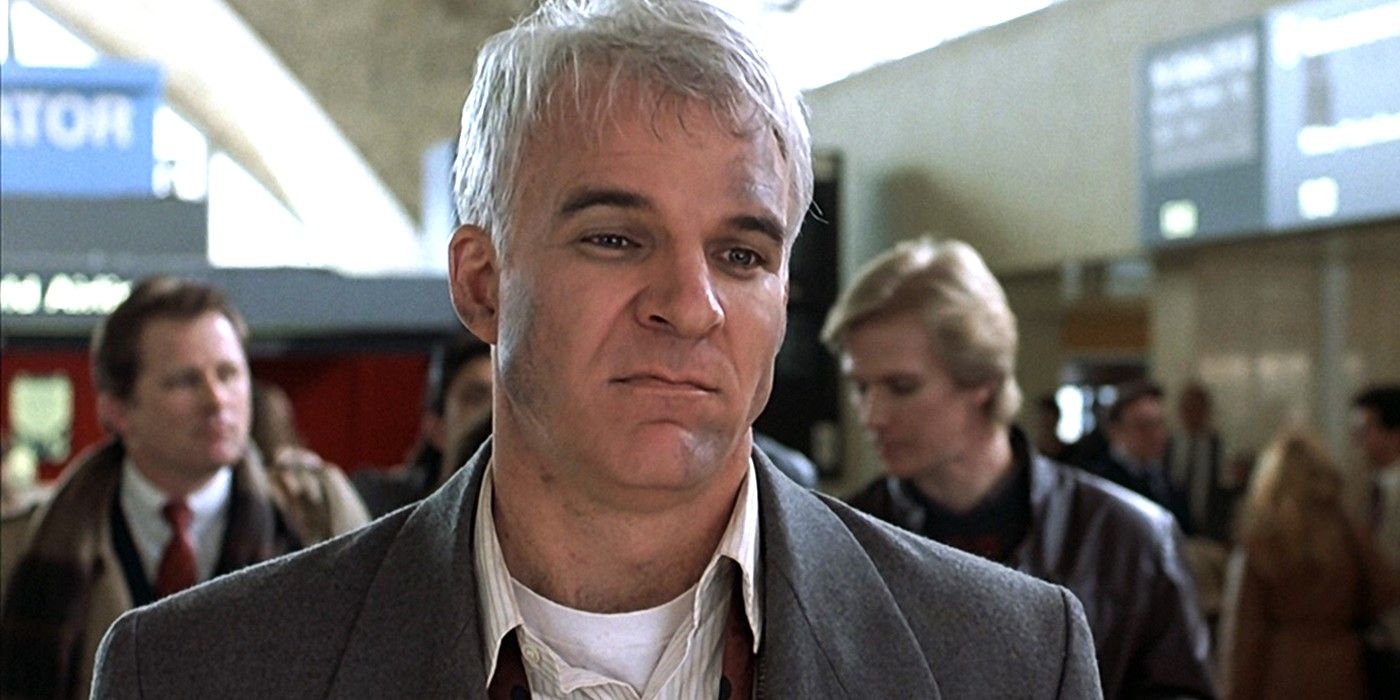
Planes, Trains and Automobiles has become a Thanksgiving classic for many viewers. The film tells the story of Neal Page, portrayed by Steve Martin, who is desperate to return home for the holiday. Along the way, he encounters Del Griffith, played by John Candy, an annoying yet endearing character. Their misadventures as they try to reach their destinations form the crux of the film, exploring themes of friendship and resilience.
The Challenge of a Remake
Numerous directors and actors have expressed interest in remaking this beloved film, a task that won’t be simple. Recreating the dynamic between Martin and Candy, who start as strangers and end up as family, poses considerable challenges. The film’s authentic blend of humor and touching moments, under John Hughes’ directorial vision, adds to the complexity, as altering even minor details could fundamentally change the viewer’s experience.
In a documentary, Steve Martin highlighted the genuine friendship he shared with John Candy off-screen, emphasizing how vital this connection is for authentic performances. Without that real emotional bond, it’s argued that any new pair of actors could be met with skepticism from audiences.
Concerns From Fans and Actors
While there is a notable interest from actors, including Kevin Hart, there is concern that this enthusiasm could lead to poor casting choices or multiple competing remakes. Fans, on the other hand, have expressed confusion regarding the need for a remake, fearing that it might undermine the charm of the original that they hold dear. Nostalgia could backfire, creating resistance among audiences who may feel the new film doesn’t live up to their expectations.
Keeping the Essence of the Original
Any new adaptation would struggle to justify its existence without significant changes to distinguish it from the original. While exploring deeper character backgrounds, such as Del’s life before his wife passed away, could add depth, it might also detract from the film’s original magic. A balance needs to be struck; too many changes could lose what made the original resonate with audiences.
The film’s setting also presents a dilemma: should the remake stay true to its 1980s origins or modernize the story? Many plot points rely on the time period’s lack of technology, and a contemporary retelling might undermine the essence of the characters’ struggles.
Conclusion
Given the existing charm and near-perfection of Planes, Trains and Automobiles, there may not be a compelling need for a remake. While remakes can occasionally succeed, this film has already reached a high standard that few could emulate effectively. Instead of attempting to recreate a classic, stakeholders should reconsider the merits of leaving this film as it is, allowing it to continue to delight audiences for generations to come.
The content above is a summary. For more details, see the source article.









