


Key Takeaways
- President Trump plans to eliminate New York’s congestion pricing program after two discussions with Governor Kathy Hochul.
- The program, initiated on January 5, aims to reduce traffic in Manhattan and fund the Metropolitan Transportation Authority.
- Trump also expressed opposition to bike lanes in the city, citing safety concerns related to fast-moving electric bikes.
Trump’s Stance on New York’s Congestion Pricing and Bike Lanes
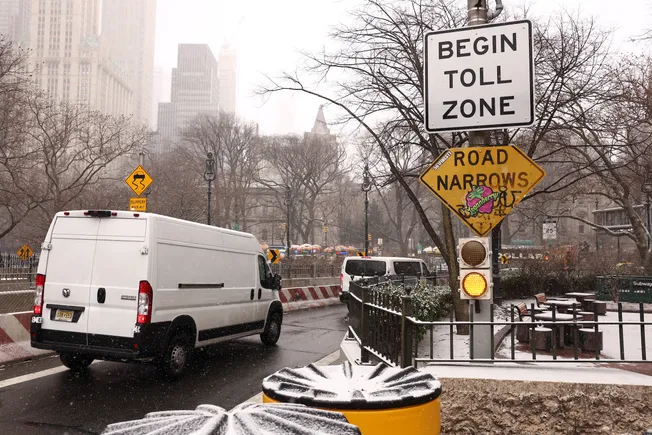
President Donald Trump has announced plans to dismantle New York’s congestion pricing program, a tolling initiative implemented to ease traffic congestion in Manhattan’s central business district. In an interview with the New York Post, Trump detailed his communications with Governor Kathy Hochul regarding the program, which began on January 5 and is designed to generate revenue for the New York Metropolitan Transportation Authority (MTA). This program has sparked significant debate since its establishment by state law in 2019, with various New York suburbs fighting its implementation.
Previously, Trump indicated a firm commitment to halt the tolling system, even going so far as to include provisions in the draft budget for fiscal year 2025 that would prohibit congestion pricing in the New York City metropolitan area. While Trump has not outlined specific methods for repealing the program, he has suggested that he would utilize the U.S. Department of Transportation’s resources to withhold funding or withdraw federal approval for the program.
Supporters of congestion pricing, like Danny Pearlstein from the Riders Alliance, defend its effectiveness, noting that more than one million fewer vehicles have entered the congestion zone since its inception. Additionally, the MTA reported improved travel times for bridges and tunnels leading into Manhattan as a result of the pricing program.
Aside from his opposition to congestion pricing, Trump voiced strong disapproval of the bicycle lanes installed throughout New York City, characterizing them as hazardous. He criticized the existence of bike lanes and pedestrian medians in the city, claiming they pose safety risks due to the high speed of electric bikes. In 2023, data from the New York City Department of Transportation indicated there were 340 bicycle-pedestrian injuries, with two fatalities, while 20 cyclists and 101 pedestrians lost their lives in incidents involving motor vehicles.
The debate surrounding congestion pricing has been ongoing, with communities divided on its impact and effectiveness. Some local leaders argue that the program is a financial burden on residents, while others point to its potential benefits in reducing traffic and funding public transportation infrastructure.
In recent developments, the Federal Highway Administration (FHWA) appears to have removed key resources from its Complete Streets website, which outlines policies aimed at improving pedestrian and bicycle access. This change has raised further questions about federal support for alternative transportation methods in urban areas.
As discussions continue around transportation in New York City, both the congestion pricing program and bike lanes remain topics of contention, presenting a broader conversation about public transit, safety, and urban infrastructure in the nation’s largest city.
The content above is a summary. For more details, see the source article.









