


Key Takeaways
- Trump plans to impose a 25% tariff on Colombian imports, escalating to 50% in a week, following Colombia’s refusal to accept military deportation flights.
- Colombian President Gustavo Petro warned of retaliatory tariffs on U.S. corn imports, highlighting the potential for an escalating trade conflict.
- The U.S. and Colombia’s existing free trade agreement may be challenged, and questions arise regarding the legality of the proposed tariffs under U.S. law.
Trade Tensions Rise Between U.S. and Colombia
President Donald Trump announced plans to impose immediate tariffs on Colombian imports after Colombia blocked two U.S. military deportation flights, a move that could lead to higher prices for Colombian coffee and potential retaliatory tariffs on U.S. corn exports, affecting U.S. agricultural producers’ largest market in South America.
In a social media post, Trump criticized Colombian President Gustavo Petro, arguing that Colombia’s actions jeopardized U.S. national security. He stated that he would impose an “emergency” 25% tariff on all Colombian goods, which would increase to 50% within a week. Trump characterized these measures as just the beginning and announced additional sanctions, including visa revocations and travel bans on Colombian officials.
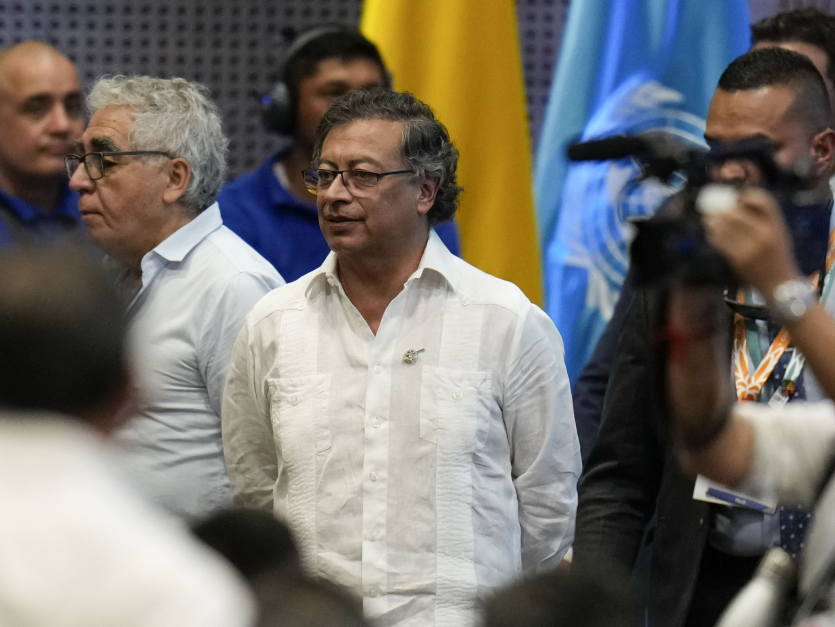
In response, Petro explained his decision to block the flights, stating that migrants are not criminals and urged the U.S. to establish protocols for their humane treatment. He suggested making the Colombian presidential plane available for the respectful return of migrants and warned that new tariffs would prompt retaliatory actions. He indicated that he would impose similar tariffs on U.S. imports, particularly corn, a product Colombia grows.
As of Sunday evening, the White House had not confirmed whether Trump’s tariff plans would be officially implemented. However, if enacted, key products like coffee, flowers, and crude oil – for which Colombia is a significant supplier – could see price increases. The U.S. imports about 27% of its unroasted coffee from Colombia, and flowers could also become more expensive, especially with Valentine’s Day approaching, as Colombia accounts for a substantial portion of the U.S. cut flower market.
The conflict has broader implications for U.S. agriculture, with Colombia being a major importer of U.S. corn, purchasing over $1 billion annually. Since the inception of the free trade agreement in 2012, Colombia has benefitted from duty-free access to U.S. markets, but Trump’s proposed tariffs could disrupt this dynamic.
Trump hinted at employing emergency powers to enforce the tariffs. However, legal experts debate whether such powers can effectively alter established tariff agreements, as the Constitution primarily delegates this authority to Congress. Former National Security Council and National Economic Council member Peter Harrell expressed doubts about the court’s acceptance of this tariff strategy under the International Emergency Economic Powers Act (IEEPA).
Amidst these developments, lawmakers quickly moved to support potential sanctions on Colombia. Senator Bernie Moreno of Ohio and others plan to introduce legislation to impose new sanctions. Meanwhile, House Agriculture Committee Chairman Glenn Thompson downplayed the long-term effects of potential tariffs, expressing hope for a quick resolution through diplomatic channels.
As the situation continues to evolve, both nations remain at a critical juncture that could reshape their trade relationships and impact various sectors significantly.
The content above is a summary. For more details, see the source article.









