Key Takeaways
- The Artemis II mission is scheduled to launch on April 1 at 18:24 local time.
- Key activities include solar array deployment, manual control practice, and trajectory adjustments.
- The mission will culminate in a splashdown after a ten-day journey to the Moon.
Artemis II Launch and Mission Details
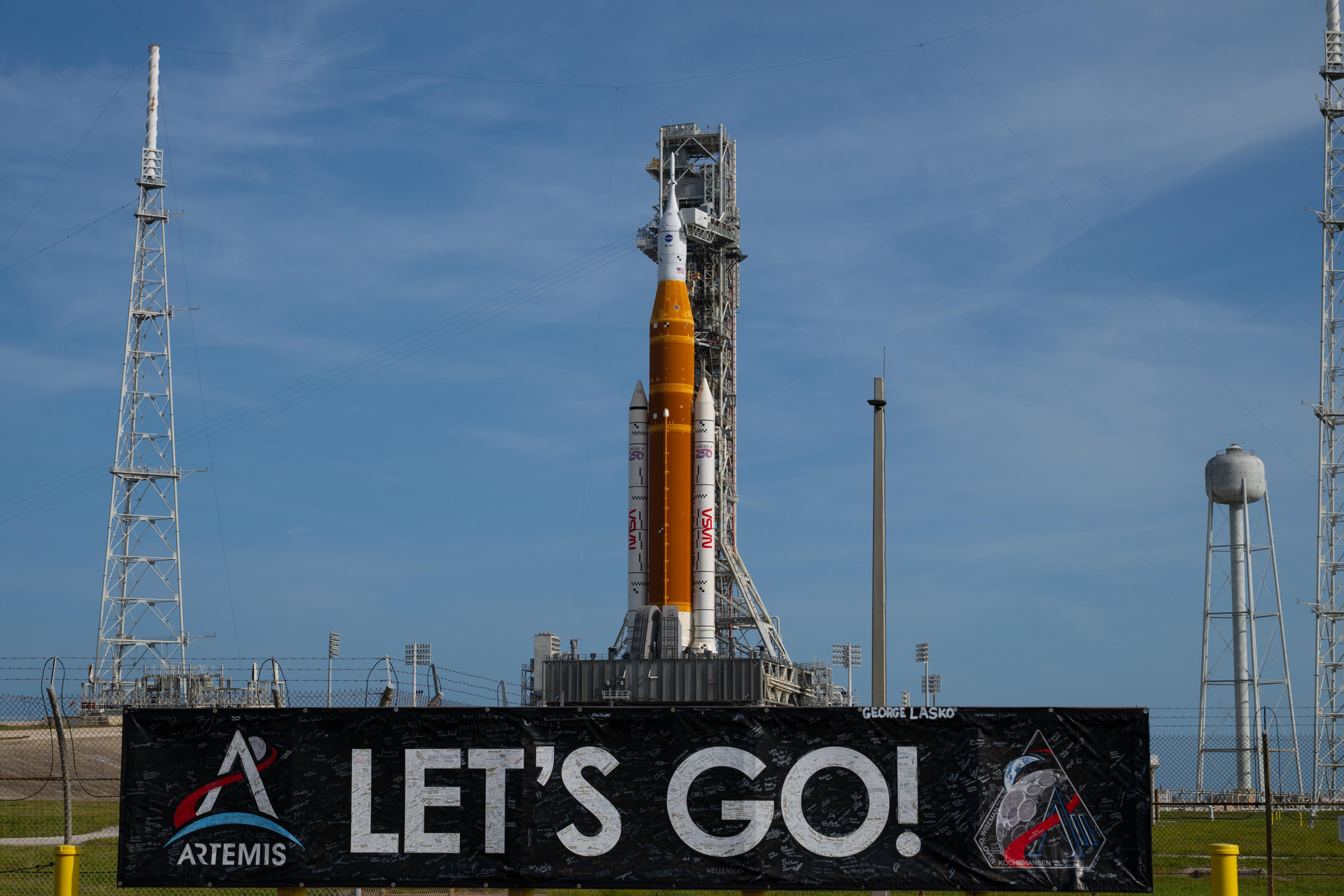
The Artemis II mission, marking the first crewed lunar journey in over 50 years, is set to launch on April 1 at 18:24 local time (02:24 CEST on April 2). Viewers can watch the launch live on ESA Web TV, starting one hour before liftoff. This mission aims to demonstrate various capabilities essential for future lunar explorations.
Key moments during the flight will include significant actions involving the European Service Module (ESM) designed to support the Orion spacecraft. Approximately eight minutes post-launch, Orion’s European-built solar arrays will deploy to provide power to the spacecraft. Three hours after liftoff, the crew will regain manual control to practice proximity operations using the ESM’s engines, an important skill for future missions.
Around 14 hours into the mission, the ESM will execute a perigee raise burn to enhance Orion’s orbit, followed by a critical trans-lunar injection burn approximately 25 hours after launch. This sets the trajectory for the spacecraft and its crew towards the Moon. Throughout the flight, the ESM will conduct multiple trajectory correction burns, fine-tuning the spacecraft’s path.
After ten days in space, the mission will conclude with the separation of the crew module from the ESM, leading to a splashdown back on Earth. This crucial mission is a stepping stone towards future explorations and endeavors into deeper space.
The content above is a summary. For more details, see the source article.