Key Takeaways
- A UK-built plasma thruster by Magdrive is set for its inaugural test in space, potentially revolutionizing satellite technology.
- The engine utilizes solid metal propellant, which can eventually enable satellites to recycle materials for fuel.
- The launch, scheduled from Kennedy Space Center, is a testament to British innovation in the space sector.
Innovative Spacecraft Engine Ready for First Test
A groundbreaking plasma thruster developed by the Oxfordshire-based start-up Magdrive is preparing for its first test launch from Kennedy Space Center in Florida. Scheduled for Saturday at 22:00 BST, this UK-built engine runs on solid metal and may revolutionize satellite technology by offering more durable and flexible options for space operations.
The thruster works by heating small particles of solid metal into a hot gas, producing powerful thrusts. This innovative mechanism holds the promise of allowing satellites to eventually recycle their own parts or even convert space junk into fuel. For this initial test, however, the metal will be carried onboard the spacecraft.
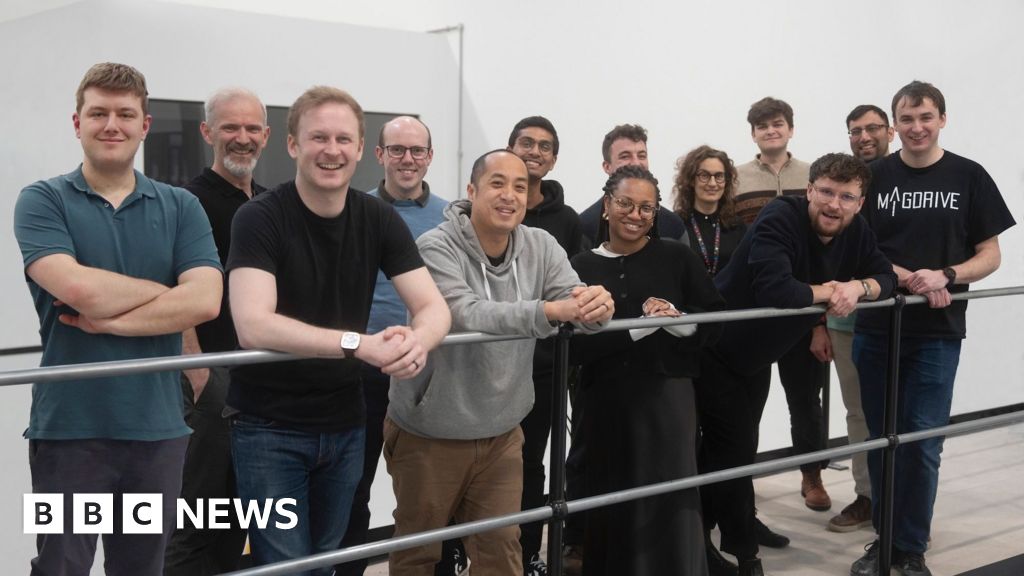
Mark Stokes, Magdrive’s chief executive and co-founder, emphasized the importance of the mission, highlighting how it reflects British innovation with adequate support. Stokes remarked, “We’ve spent four years building something that breaks the mould.” He further stressed that this launch represents not just a technological breakthrough but also a demonstration of the UK’s potential to lead in the space industry.
Dr. Gianluigi Baldesi from the European Space Agency praised the rapid development from concept to launch within less than a year as indicative of the type of bold innovation the agency aspires to support. “In less than a year, we have gone from kick-off to launch,” he noted.
The data collected during the test flight is anticipated to arrive in August and September, paving the way for further advancements and applications of this technology in satellite systems. The successful outcome of this mission could mark a significant step forward not only for Magdrive but also for the future of satellite engineering and sustainability in space exploration.
The content above is a summary. For more details, see the source article.