

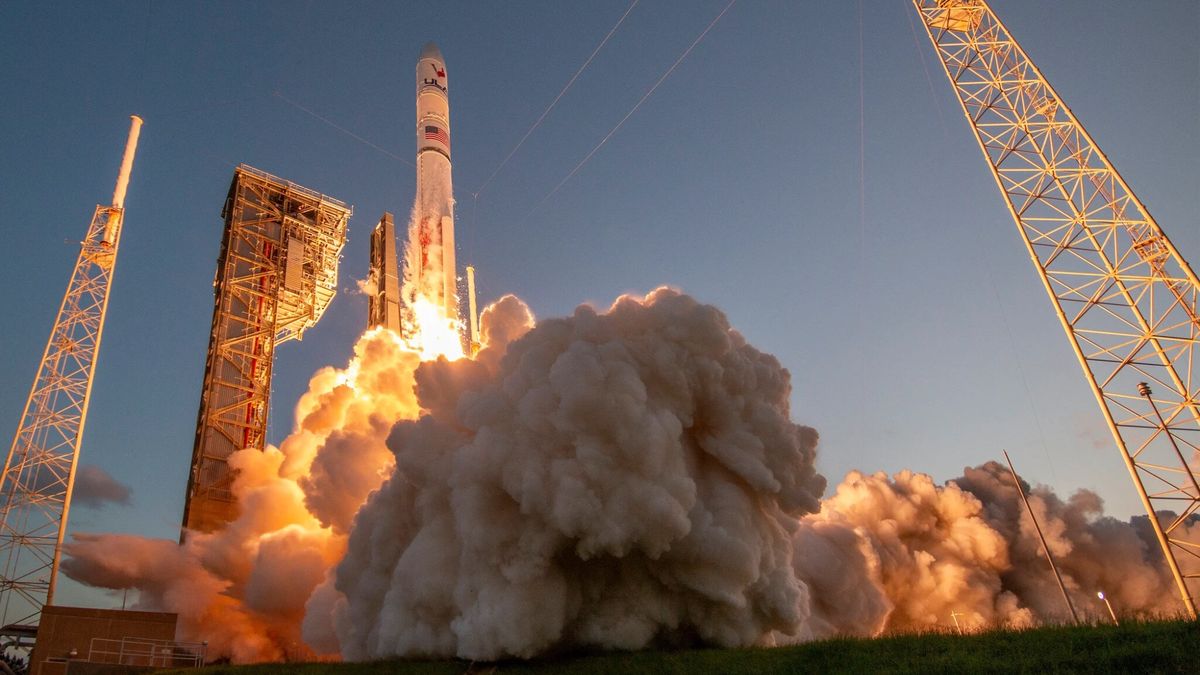
Key Takeaways
- The U.S. Space Force has certified United Launch Alliance’s Vulcan Centaur rocket for national security missions, enhancing the National Security Space Launch provider roster.
- The Vulcan Centaur rocket, designed to replace the Atlas V, has undergone a rigorous certification process since 2016, encompassing various criteria and flight demonstrations.
- Despite initial challenges, including a manufacturing defect, the Vulcan rocket has demonstrated its capabilities and is now positioned to support critical national security payloads.
Certification of Vulcan Centaur by U.S. Space Force
The U.S. Space Force has officially certified the Vulcan Centaur rocket from United Launch Alliance (ULA) to perform national security missions. This announcement, made on March 26, marks a significant step as it expands the list of National Security Space Launch (NSSL) providers to two, with ULA joining SpaceX in this critical role.
Brig. Gen. Kristin Panzenhagen, the Space Force’s program executive officer for assured access to space, expressed the importance of this certification: “Assured access to space is a core function of the Space Force and a critical element of national security. Vulcan certification adds launch capacity, resiliency and flexibility needed by our nation’s most critical space-based systems.”
The journey to certification began in 2016 when ULA entered an agreement with the U.S. Air Force to develop the Vulcan Centaur for NSSL missions. At that time, the rocket was still in development and intended to succeed the Atlas V, which has been a reliable launch vehicle since its debut in 2002. The Atlas V has conducted numerous national security launches and completed its final NSSL mission last July, with a retirement planned later in the decade.
The Vulcan Centaur made its inaugural launch in January 2024, successfully sending the Peregrine moon lander into space. However, the lander failed to reach the moon due to a serious anomaly shortly after deployment. The rocket had a subsequent test flight in October, which met its major objectives despite encountering a problem with one of its solid rocket boosters, attributed to a manufacturing defect. ULA acted to address this issue, ensuring the reliability of the rocket for future missions.
The certification process for the Vulcan was extensive, requiring ULA to meet 52 specific criteria, which included over 180 discrete tasks, two certification flight demonstrations, and numerous audits. Military officials communicated that this rigorous evaluation was essential for establishing the technical baseline critical for future launch decisions.
Bruno, ULA’s President and CEO, expressed his pride in the company’s contributions to national security, saying, “We are proud to have launched 100 national security space missions and honored to continue serving the nation with our new Vulcan rocket.” He also thanked the Space Force for their collaboration and expressed confidence in continuing to meet national security needs with the Vulcan Centaur in the coming years.
With the certification now in place, the U.S. Space Force and ULA are poised to enhance the nation’s capabilities for securing and launching essential space-based systems, marking a new era in national security space launches.
The content above is a summary. For more details, see the source article.