


Key Takeaways
- Ulta Beauty, Sephora, and Sally Beauty continue to invest in diversity, equity, and inclusion (DEI) programs despite industry-wide pullbacks.
- The beauty retailers have made significant financial commitments and partnerships, including pledges to support Black-owned brands and communities.
- Costco and E.l.f. Beauty also maintain their DEI initiatives, emphasizing inclusivity as a vital business strategy.
Commitment to Diversity in the Beauty Industry
In response to the heightened awareness of racial inequalities following George Floyd’s murder, beauty retailers like Ulta Beauty, Sephora, and Sally Beauty have reinforced their commitments to diversity, equity, and inclusion (DEI) initiatives. These companies aim to better serve their diverse customer bases while supporting minority-owned businesses, contrasting with the recent trend among major retailers like Target and Walmart, which are scaling back their DEI efforts.
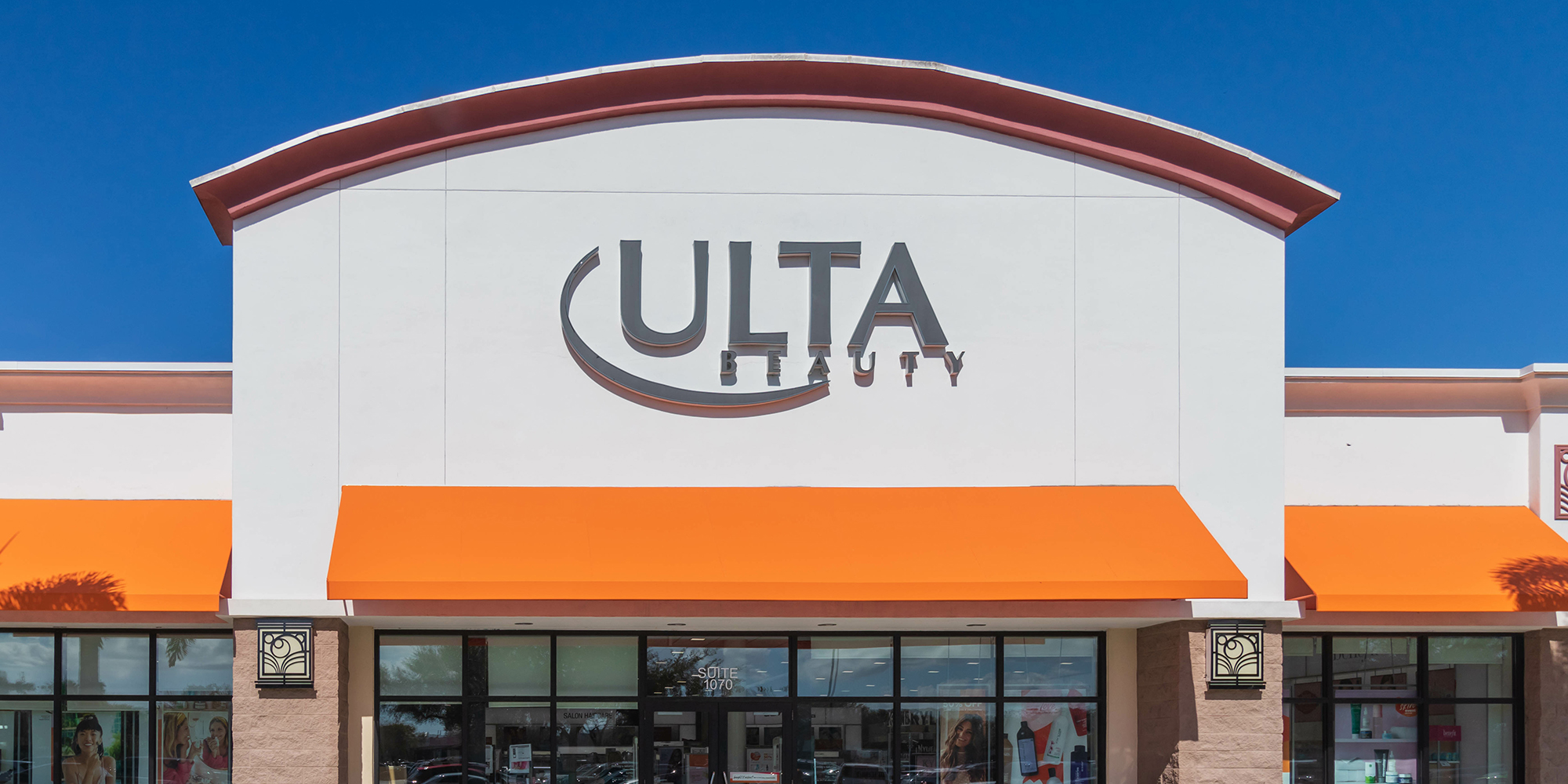
Tomi Talabi, founder of The Black Beauty Club, emphasized that lasting change will depend on whether these retailers integrate inclusivity into their long-term strategies rather than treating it as a marketing gimmick. According to Ulta’s CEO Kecia Steelman, supporting DEI is essential for the business, which caters to a diverse community of beauty enthusiasts. The company has invested $75 million into DEI initiatives over two years and has pledged to allocate 15% of its retail space to Black-owned brands through the Fifteen Percent Pledge. This includes programs like the MUSE Accelerator, which supports founders from underrepresented groups with guidance and funds.
Sephora has been similarly proactive, signing on to the Fifteen Percent Pledge before Ulta and revamping its Sephora Accelerate program to focus on BIPOC-owned brands post-2020. At a recent gala, Sephora highlighted the success of its initiative, announcing that 33 brands have graduated from its program and that it has significantly expanded the range of Black-owned brands in its stores.
Sally Beauty announced the continuation of its “Rooted in Success” program, designed to elevate leaders in the textured haircare category. As part of their outreach during Black History and Women’s History Months, Sally Beauty has partnered with Impressions of Beauty to host events at historically Black colleges and universities. These events aim to engage students with brands and foster community.
Other companies like Costco and E.l.f. Beauty are also supporting DEI initiatives. Costco argues that such programs enhance shareholder value and employee retention, highlighting that its DEI efforts began long before the current discourse on racial equity. E.l.f. Beauty CEO Tarang Amin noted that a diverse workforce is crucial to fulfilling the company’s mission to provide accessible beauty products.
Despite a lawsuit brought against the Fearless Fund, which supported BIPOC beauty entrepreneurs, other grant programs continue to thrive. In 2024, Nancy Twine, founder of Briogeo, launched The Dream Makers Founder Grant in collaboration with Sephora to provide funding for underrepresented female founders. Twine asserted that progress hinges on ongoing support for marginalized groups, emphasizing that ignoring these initiatives impacts the entire society.
As these companies reaffirm their DEI efforts, they send a strong message about the necessity of diversity in the beauty industry. The hope is that these commitments will inspire a broader acceptance of inclusivity across all sectors, contributing to the overall progress of the country and its diverse citizenry.
The content above is a summary. For more details, see the source article.









