


Key Takeaways
- The Union Budget 2025 aims to enhance India’s energy sector, focusing on renewable energy growth and green initiatives.
- Key investments are expected in renewable energy, the National Green Hydrogen Mission, and fiscal reforms to stimulate sustainable investments.
- Support for DISCOMs and advancements in e-mobility are crucial components of the budget’s strategy for a greener energy future.
Impact of Union Budget 2025 on India’s Energy Sector
The Union Budget 2025 is poised to transform India’s energy landscape through a range of policy enhancements aimed at fostering sustainable growth. Key areas of focus include advancing renewable energy, promoting green hydrogen initiatives, and implementing tax reforms that support e-mobility and energy storage solutions.
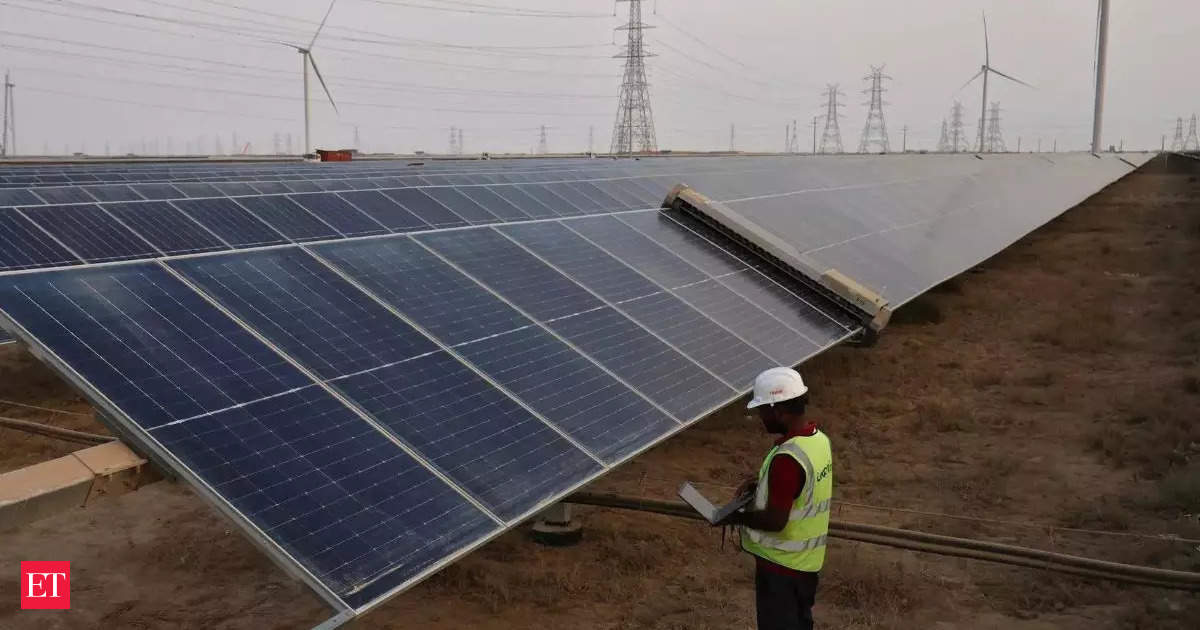
To achieve the ambitious goal of 500 GW of renewable energy capacity by 2030, the budget is likely to prioritize funding for the renewable sector. This includes viability gap funding for offshore wind and green hydrogen and support for the solarization of micro, small, and medium enterprises (MSMEs) to expand the renewable energy base. Additional incentives for domestic manufacturing of solar panels and batteries aim to support the Make in India initiative while fostering skill development in the sector.
A comprehensive energy transition policy is expected to be part of the budget, designed to strategically reduce emissions across high carbon footprint sectors. This policy will encourage the integration of diverse energy sources to facilitate a smoother transition towards a sustainable energy matrix.
The National Green Hydrogen Mission is another critical focus, with increased funding intended to position India as a global leader in the green hydrogen market. This initiative aims to stimulate innovation and infrastructure development, establishing the country as a significant producer and exporter of green hydrogen.
Tax reforms proposed in the budget are expected to greatly enhance investors’ interest in renewable energy projects. Proposed GST reforms to lower costs for these initiatives, including potential reductions on hydrogen and standardization of GST rates for renewable equipment, are anticipated to be powerful incentives.
The electric vehicle (EV) sector is also set to benefit from anticipated measures, such as the launch of FAME III and additional tax incentives aimed at boosting the EV industry. Subsidies for energy storage solutions and smart grid technologies are expected to enhance the overall ecosystem, making e-mobility more viable and attractive.
Moreover, support for Distribution Companies (DISCOMs) is likely to feature, focusing on modernizing infrastructure to facilitate the expansion of rooftop solar projects and better metering systems. This support is essential for developing a sophisticated power distribution network capable of handling India’s growing energy needs. The budget may also explore public-private partnerships and monetization of brownfield assets, which can attract investments in transmission assets.
While promoting renewable energy, the budget is expected to address the need for sustained conventional energy sources. Fiscal incentives for domestic oil and gas exploration may be included to attract private investments and reduce import dependence, bolstering national energy security.
Lastly, the budget aims to refine climate finance taxonomy to streamline investment flows into sustainable projects. Implementing these measures effectively could pave the way for a greener economy and increase resilience against climate change.
As the unveiling of the Union Budget 2025 approaches, there is widespread anticipation for a clear and strategic plan that will enhance India’s path toward a self-reliant and sustainable energy future, marking a significant shift towards eco-friendly innovations and growth.
The content above is a summary. For more details, see the source article.









