


Key Takeaways
- FAW Group has integrated a lithium-manganese semi-solid-state battery in a production vehicle, promising up to 620 miles of range.
- This battery features a 142-kWh capacity with double the energy density of conventional lithium-ion batteries.
- The trend towards manganese-rich battery technology is growing among automakers to reduce reliance on expensive nickel and cobalt.
Emerging Battery Technology
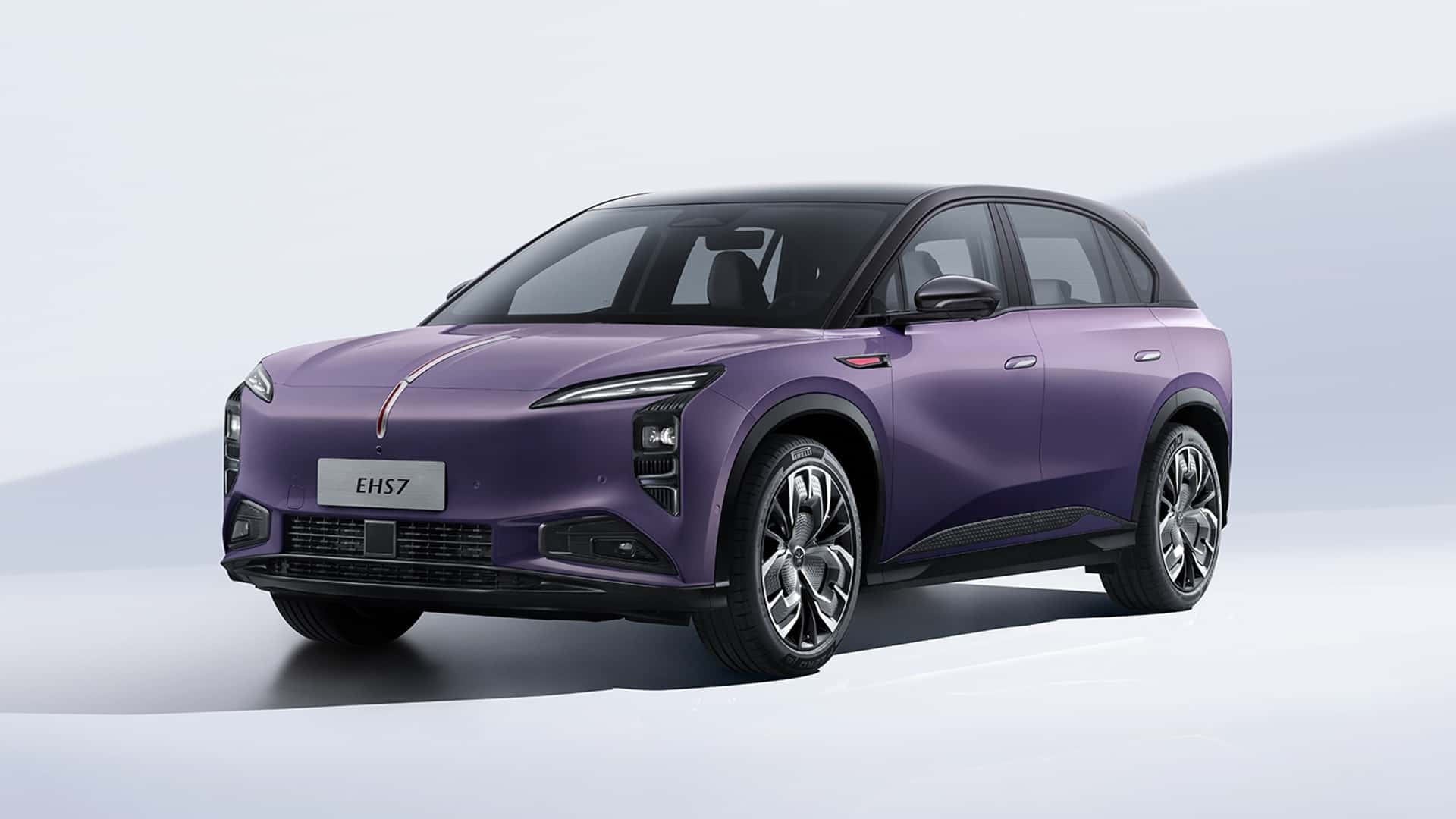
FAW Group, one of China’s largest automobile manufacturers, has announced the successful integration of a new lithium-manganese semi-solid-state battery in a production vehicle, specifically a Hongqi-branded electric crossover. This groundbreaking battery boasts a capacity of 142 kilowatt-hours, achieving an impressive energy density of 500 watt-hours per kilogram at the cell level, which is double that of traditional lithium-ion batteries. Manufacturer estimates suggest a potential range of 1,000 kilometers (approximately 620 miles) on the China Light-Duty Vehicle Test Cycle (CLTC). However, real-world performance may vary based on several factors, including vehicle design, aerodynamics, weight, and driving conditions.
One of the most notable features of this battery is its use of manganese. Unlike most semi-solid-state batteries that utilize nickel-manganese-cobalt or nickel-cobalt-aluminum materials, FAW’s innovative approach incorporates more manganese in the cathode active materials. This shift is aligned with a broader industry trend as automakers aim to reduce their dependence on costly and ethically problematic materials like nickel and cobalt. Similar initiatives are underway in the U.S., with both General Motors and Ford announcing plans to adopt lithium-manganese-rich batteries in their future electric vehicles.
The growing interest in manganese-rich battery technologies reflects a significant shift within the industry. Battery manufacturers, particularly in China, are exploring alternative chemistries, such as lithium iron manganese phosphate (LMFP), to enhance the range and performance of more affordable lithium iron phosphate (LFP) batteries. This signals a transition toward more sustainable and cost-effective materials for electric vehicle batteries.
In recent months, multiple automakers have touted advancements in battery technology. BYD has reported improvements in cycle life and charging speeds for its solid-state cells, while a key partner of Toyota has initiated the establishment of a large-scale pilot production line in Japan. While these announcements are promising, the pace of commercialization and affordability of these technologies remains uncertain.
Overall, the next decade is poised for significant transformation in electric vehicle battery performance, driven by innovative chemistries and emerging technologies. As manufacturers continue to explore and adopt manganese-rich and semi-solid-state battery solutions, the electric vehicle landscape is expected to evolve dramatically, presenting new opportunities and challenges for the automotive industry.
The content above is a summary. For more details, see the source article.









