


Key Takeaways
- The world’s largest geothermal power station is being developed in Utah, attracting significant investment for its promising potential to provide 24/7 energy.
- Innovative techniques are enabling geothermal energy to expand, including utilizing abandoned oil wells, which could dramatically increase energy availability.
- Geothermal energy, with low emissions and consistent output, is projected to supply up to 15% of global electricity needs by 2050.
Advancements in Geothermal Energy
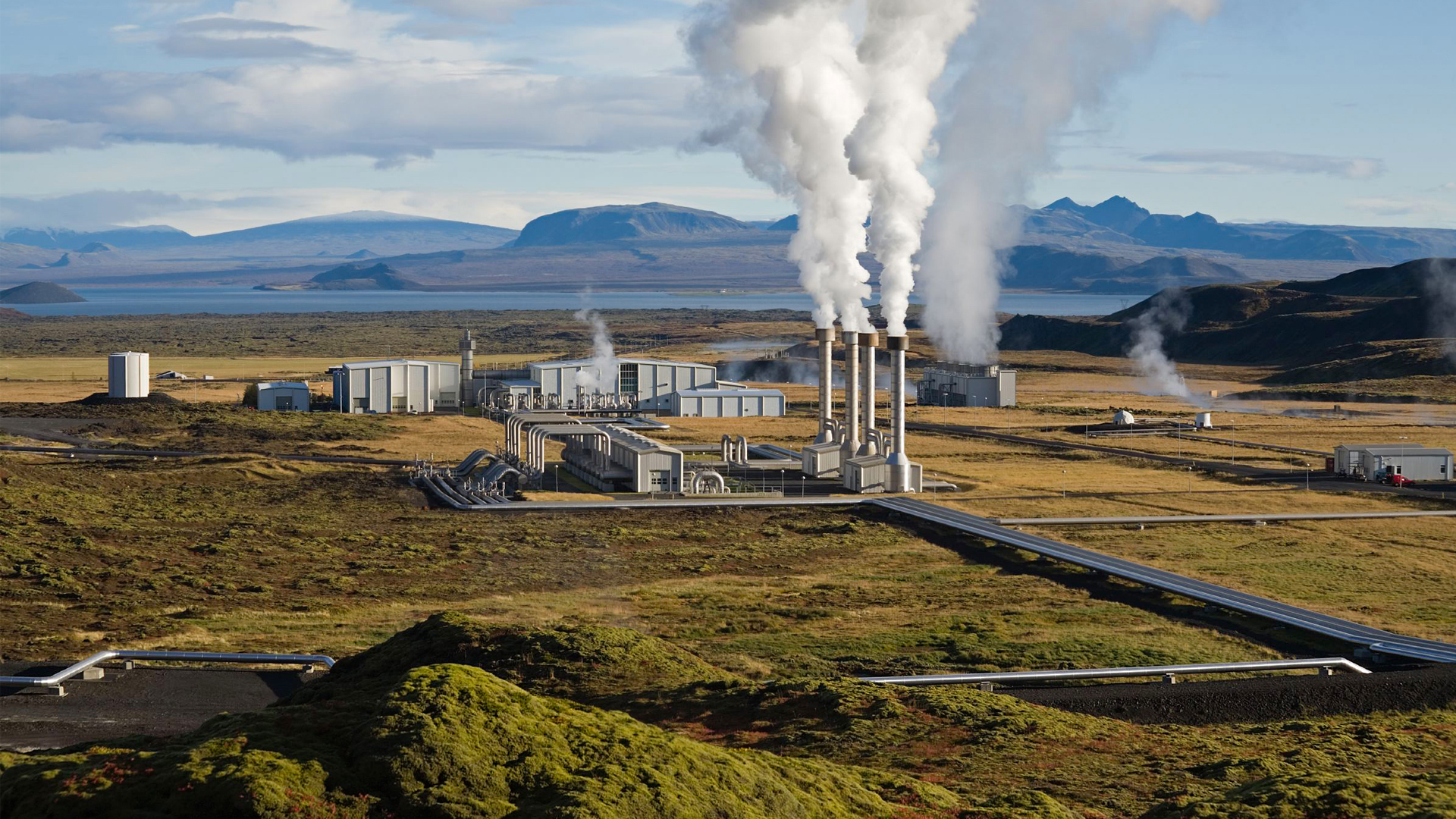
Geothermal energy, harnessing heat from below the Earth’s surface, has emerged as a reliable and sustainable energy source. The construction of the world’s largest geothermal power station in Utah signals the growth and advancement of this sector. In the first quarter of 2025, North American geothermal installations drew $1.7 billion in public funding, highlighting a substantial increase in investment compared to previous years.
Geothermal energy’s unique advantages lie in its ability to provide continuous, emission-free electricity, irrespective of weather conditions. According to a May 2025 assessment by the U.S. Geological Survey, geothermal sources in the Great Basin could potentially satisfy 10% of the U.S. electricity demand. The International Energy Agency forecasts geothermal energy could meet 15% of global electricity needs by 2050.
In Utah, the Fervo Energy Cape Station project aims to deliver 100 megawatts of geothermal power by 2026, ultimately increasing to 500 megawatts by 2028 due to technological improvements. Enhanced geothermal systems, which make energy generation possible in less favorable geological areas, are expected to lower costs significantly, making them competitive with other renewable energy sources.
There are various methods of harnessing geothermal energy. Hydrothermal systems draw on existing underground water and steam, while enhanced geothermal systems rely on drilling deep into hot rocks to create electricity-generating conditions. Ground source heat pumps utilize the Earth’s stable temperatures for heating and cooling without generating electricity. Direct-use applications leverage geothermal heat for industrial processes and agriculture.
Innovative uses of geothermal energy are being explored, including energy storage and supporting clean hydrogen production. Such advancements will enhance the reliability of other renewable projects, especially when combined with solar and wind energy.
While the U.S. currently has an installed geothermal capacity of about 3.9 gigawatts, the potential for expansion is significant, particularly through repurposing abandoned oil and gas wells. Projects in places like Beaver County, Utah, demonstrate the transition from fossil fuel infrastructure to clean energy.
Despite some challenges, including high drilling costs and environmental concerns, modern geothermal plants have technologies to minimize emissions. Overall, geothermal energy is positioned to play an essential role alongside solar and wind in creating a low-carbon energy future.
The content above is a summary. For more details, see the source article.









