Key Takeaways
- The US and India are shifting from space sector cooperation to joint co-creation, including designing instruments and funding startups.
- Collaborative projects, such as NISAR and astronaut training, highlight the synergy between US and Indian space efforts.
- India’s space reforms are fostering a vibrant startup ecosystem, inviting American investment in various sectors.
Joint Vision for Space Exploration
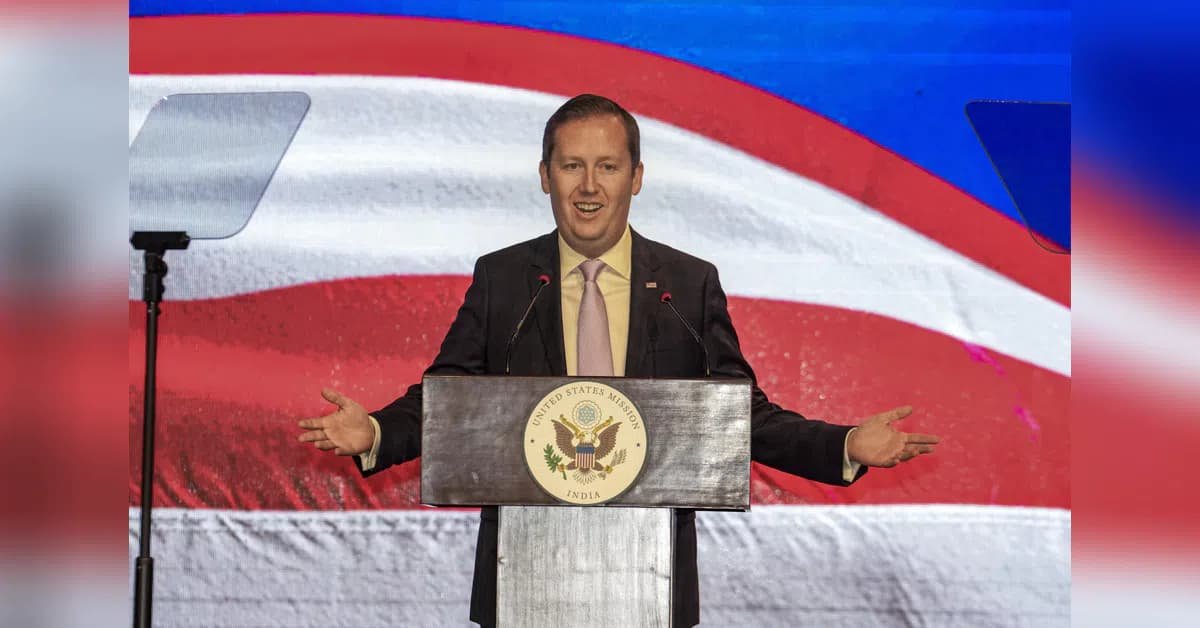
During the Bengaluru Space Expo (BSX), US Ambassador to India Sergio Gor emphasized the evolving partnership between the United States and India in the space sector. He stated that the relationship is transitioning from mere cooperation to “co-creation,” which involves collaborative efforts in designing instruments, funding startups, and shaping the future of human exploration.
The remarks came following the ninth US-India Civil Space Joint Working Group held recently in Bengaluru, which underscored the commitment to deeper collaboration. Gor noted the strengths each country brings: the US contributes significant private capital and a mature commercial ecosystem, while India offers exceptional engineering talent and a dynamic startup culture. This partnership fosters innovative endeavors that promise significant advancements.
Gor highlighted the TRUST initiative—Transforming the Relationship Utilizing Strategic Technology—set forth by US President Donald Trump and Prime Minister Narendra Modi, symbolizing the strategic integration of the two nations’ resources. He also announced the expansion of the US Commercial Service in Bengaluru, aimed at enhancing direct commercial ties between American businesses and Indian innovators.
Significant projects such as the NISAR Earth observation satellite showcase the tangible benefits of their collaboration. For instance, NISAR’s radar data played a crucial role in emergency response efforts during a recent earthquake in Venezuela, illustrating the life-saving potential of their joint technologies.
Ambassador Gor also referenced the landmark flight of Indian Group Captain Shubhanshu Shukla to the International Space Station, made possible by US collaboration. He mentioned ongoing work on docking standards, interoperability, and astronaut training as key areas of focus resulting from the strategic partnership.
As India signed the Artemis Accords, Gor extended an invitation to ISRO to collaborate on lunar missions, indicating a united goal to return to the Moon. He pointed out the momentum generated by India’s space sector reforms, which have led to a burgeoning startup ecosystem focusing on areas like Earth observation and launch technologies.
Gor stressed that while the Moon is a target, the real driving force behind these advancements lies in innovation at the ground level, fueled by startups and commercial initiatives. He reassured Indian space entrepreneurs that the American market welcomes their innovations and investments, emphasizing support for their ventures.
Additionally, he addressed broader implications for global space governance, advocating for coordinated efforts on space traffic and sustainable practices in light of the upcoming World Radiocommunication Conference in Shanghai. Gor concluded with a vision of building a global space economy together, affirming that leadership in space exploration by free nations can inspire hope and aspirations worldwide.
The content above is a summary. For more details, see the source article.