


Key Takeaways
- Virtual fencing technology is enhancing livestock management, offering flexibility and reducing labor costs for ranchers.
- Federal and private funding is available to support the implementation of this technology through grants and conservation programs.
- Virtual fencing can help improve grazing efficiency, support conservation efforts, and promote biodiversity.
Innovative Livestock Management with Virtual Fencing
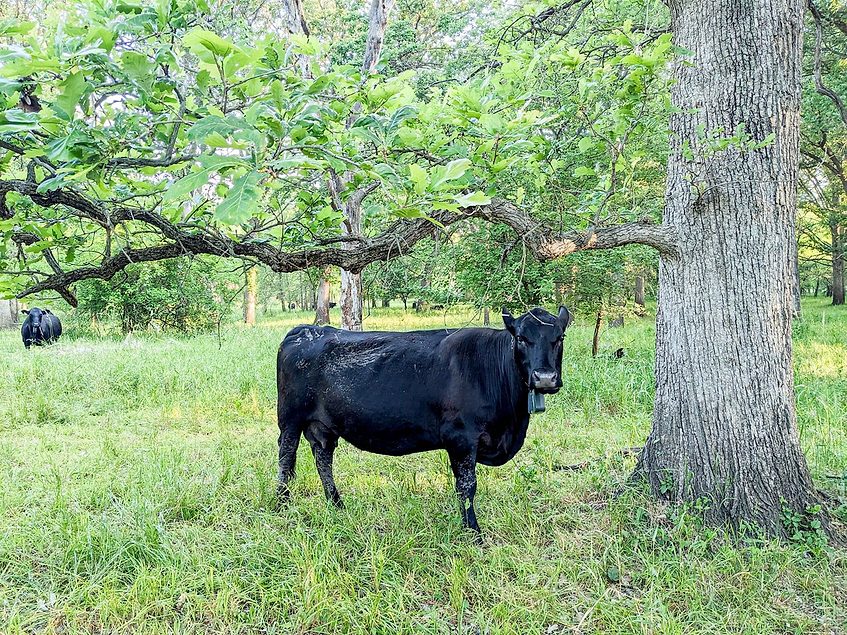
In July 2023, heavy rains in East Hardwick, Maine, isolated rancher Ben Nottermann from his cattle, but thanks to a virtual fencing system, his livestock remained safe. This technology, which involves GPS collars and audio signals, allows ranchers to manage and guide their animals without physical barriers. “Had they been on poly wire, they would have either run out of feed or created a mess,” Nottermann explained, highlighting the advantages of virtual fencing for maintaining livestock health.
As climate change and rising labor costs push ranchers toward more efficient practices, virtual fencing is gaining traction. It offers farmers the ability to set grazing perimeters and track animals via an app, reducing dependency on traditional, labor-intensive fencing methods. Alex Bell, managing director of Nofence U.S., emphasized that virtual fencing serves as a management system rather than just a containment tool, enabling ranchers to maximize land utility.
Though research on this technology dates back to the 1980s, it only became commercially viable in the U.S. in 2024, with several companies like Gallagher, Halter, and Vence providing various systems. However, the cost remains a significant barrier, ranging from $18 to $66 per collar, plus annual subscriptions for some models. Fortunately, federal funding through programs like the Environmental Quality Incentives Program (EQIP) is now available to support expenses related to virtual fencing, as the U.S. Department of Agriculture’s Natural Resources Conservation Service (NRCS) updated its standards to include this technology.
These funds are specifically aimed at enhancing grazing management, making virtual fencing part of a broader grazing strategy that includes cross-fencing. While NRCS recognizes virtual fencing as a valuable alternative, many ranchers advocate for its reliability to grow before it replaces traditional perimeter fencing entirely.
The shift toward virtual fencing is further propelled by financial assistance from private charities and nonprofits. The Property and Environment Research Center (PERC), for instance, is supporting initiatives aimed at wildfire mitigation and wildlife management, offering grants ranging from $10,000 to $75,000. Wisconsin farmer Kari Esbensen, who received a $45,000 PERC grant to use virtual fencing for goat grazing and pollinator preservation, noted its transformative potential.
Advocates for this technology claim it not only helps lower labor and feed costs but also extends grazing days, significantly cutting winter feeding expenses. In regions like California, where wildfires have destroyed extensive fencing, virtual alternatives offer a cost-effective solution to ranchers facing significant repair expenses.
As farm managers adopt virtual fencing technology, it has been observed to reduce daily workload, allowing cattle to self-navigate and minimizing the time required for manual herd management. The technology also facilitates easier responses during calving seasons, enhancing overall ranching effectiveness.
Research projects involving virtual fencing are ongoing, notably in Kansas, where it has improved the habitat for greater prairie chickens and other wildlife. Tony Capizzo from The Nature Conservancy noted significant engagement of native species in areas managed through virtual grazing practices.
With growing adoption, virtual fencing is expected to be integral to modern ranching strategies over the next few decades, contributing to better profitability, improved livestock management, and enhanced land health outcomes. “It’s part of a package of innovations shaping the future of ranching,” stated Burnidge of The Nature Conservancy.
The content above is a summary. For more details, see the source article.









