Key Takeaways
- Antarctica is experiencing significant sea ice loss, marking the start of a new ‘low-ice era’ with considerable ecological impacts.
- Satellite data reveal a notable increase in summer phytoplankton levels, but this is potentially disadvantageous for vital species like Antarctic krill.
- Changes in the ecosystem may alter nutrient cycles and food webs, necessitating continued monitoring and research for conservation and climate policy.
Significant Sea Ice Decline
Researchers funded by the European Space Agency (ESA) have reported alarming changes in Antarctica’s sea ice, paralleling trends in the Arctic. Approximately a decade ago, a drastic reduction in seasonal sea ice occurred, covering an area nearly as large as Greenland. Initially thought to be temporary, this loss is now recognized as the onset of a long-term ‘low-ice era’. The rapid decline surprised scientists and highlighted deficiencies in climate models, which often fail to predict such tipping-point events.
Innovative Research Using Satellite Technology
To study these changes, a team from the Plymouth Marine Laboratory turned to satellite technology rather than relying solely on field observations. By analyzing data from ESA’s Ocean Colour Project, the researchers classified the Southern Ocean into various seascapes, each representing different biological conditions. These classifications allowed scientists to assess the levels and types of phytoplankton, which are fundamental to the Antarctic marine food web.
The results showed a dramatic shift: approximately 70% of the observed region now supports higher concentrations of summer phytoplankton compared to pre-sea ice decline levels. This unexpected increase is significant for the region’s marine life.
Impact on Key Species
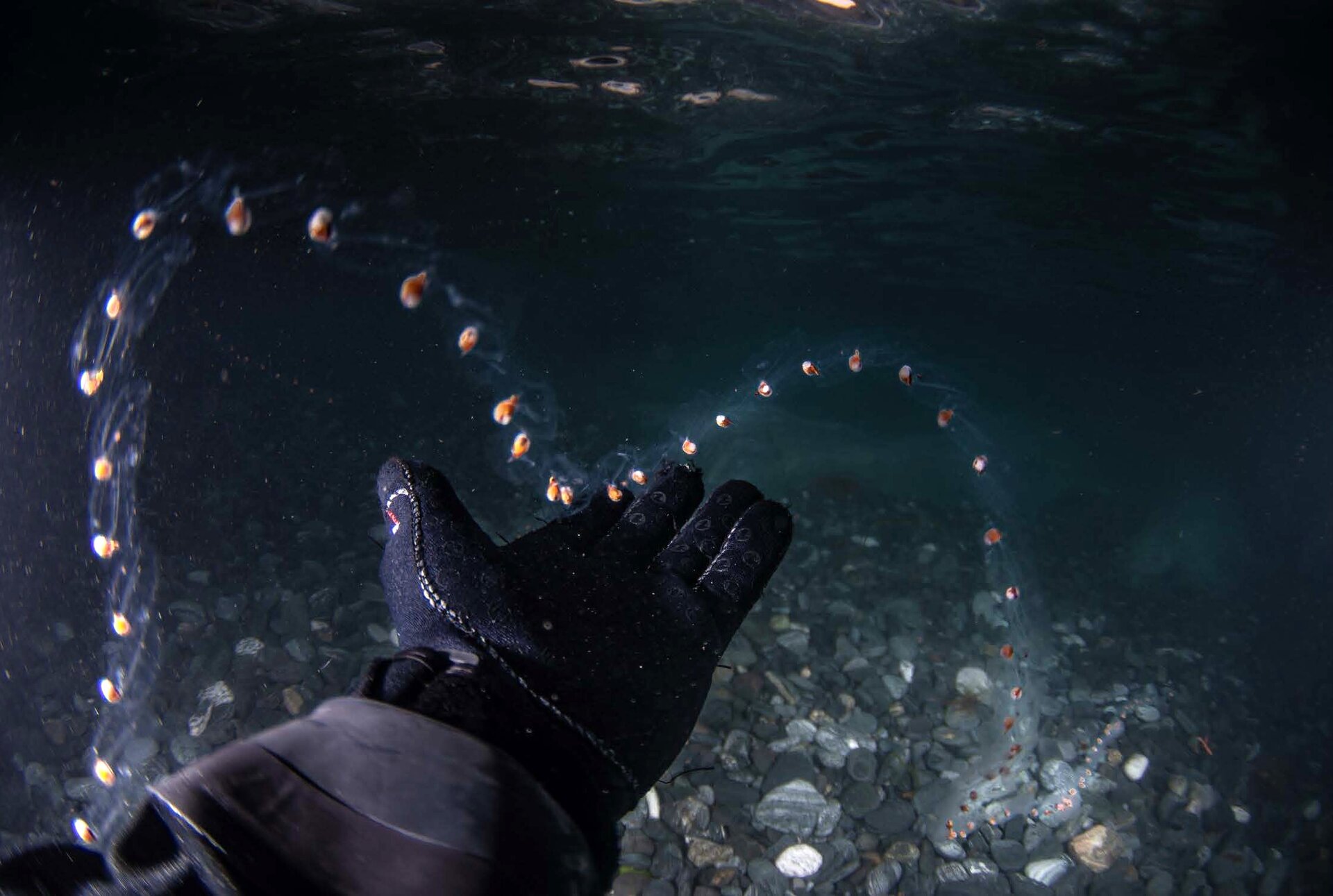
The study further examined how the new low-ice era affects essential species, such as Antarctic krill and salps. Antarctic krill play a critical role as a food source for numerous marine animals, and their decline could have cascading effects on the food web. Meanwhile, salps thrive in conditions where krill populations dwindle and could increase due to climate change. Understanding the interplay between these species is vital for assessing the overall health of the ecosystem.
While more phytoplankton could seem beneficial, it has important ramifications. The sea ice traditionally provided shelter for marine life and supported the growth of diatoms, a key food source that efficiently transfers energy up the food web. Salps, though they may benefit from changes, are less effective at carbon storage than krill, raising concerns about long-term ecosystem stability and carbon cycling.
A New Ecological Landscape
The ongoing shift in Antarctic ecosystems reflects profound biological reorganization. As the sea ice diminishes, it signals not only physical changes but also significant alterations in nutrient cycles and food interactions. A dominance shift from krill to salps could undermine existing ecological relationships and challenge conservation efforts.
Satellite data provide invaluable insight into these transitions, enabling researchers to monitor changes continuously and at a large scale. Such observations will be essential for informing future research, conservation strategies, and global climate policies as Antarctica likely enters a prolonged low-ice period. Continued observation and understanding of these trends are critical for mitigating potential ecological fallout in one of the planet’s most crucial marine environments.
The content above is a summary. For more details, see the source article.