


Key Takeaways
- The U.S. Navy aims to increase its fleet from 296 to 381 ships by 2050, but faces significant shipbuilding challenges.
- A recent GAO report highlighted delays and rising costs in ship production, with many vessels being delivered years later than expected.
- Recommendations for improvement include better workforce management, infrastructure investment, and supply chain enhancements.
Shipbuilding Challenges for the U.S. Navy
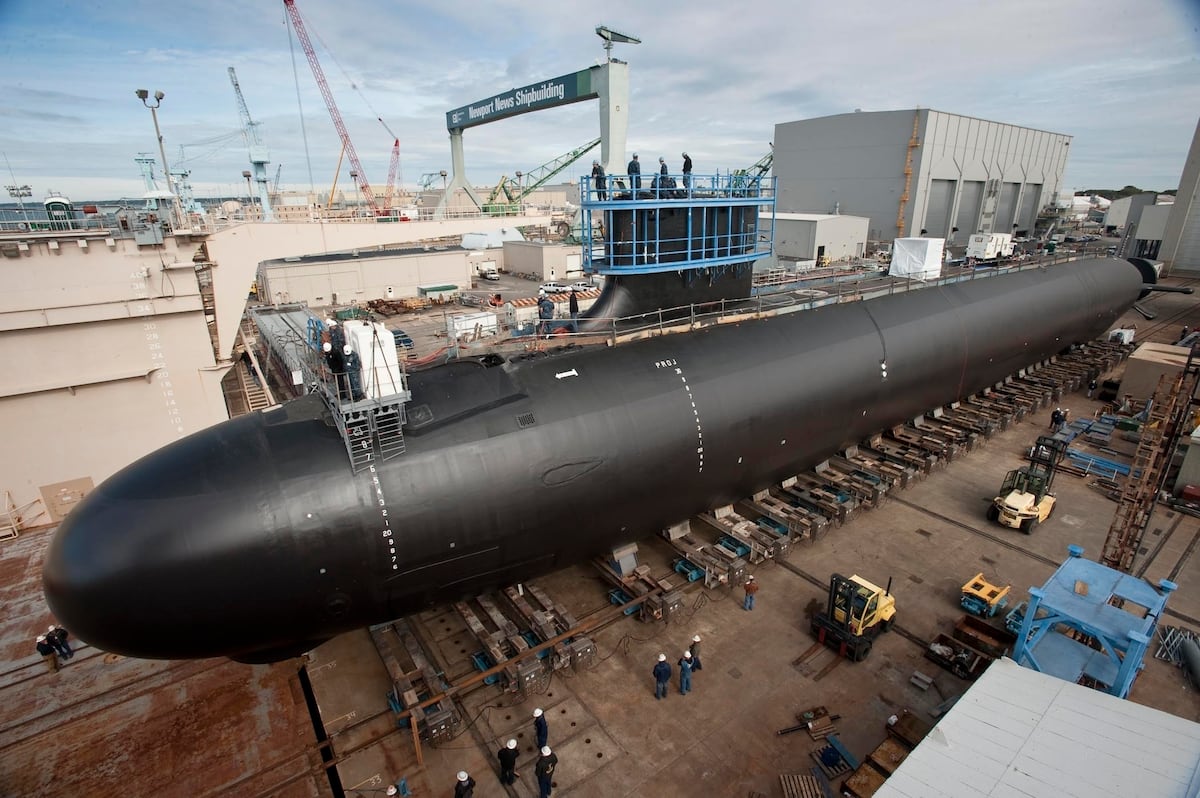
The U.S. Navy plans to nearly double its battle force fleet from 296 ships to 381 over the next three decades. However, this goal may be unattainable without significant improvements to the current shipbuilding process, as underscored during recent testimony before the Senate Armed Services Committee.
Dr. Brett A. Seidle, the Navy’s acting assistant secretary for research, development, and acquisition, emphasized the urgent need for reform, stating, “It is way past time that we get after it.” He highlighted two main issues: ship deliveries often extend up to three years beyond the scheduled timeline, and costs are rising faster than inflation, stressing the necessity for timely and budget-compliant ship delivery.
On the same day, the Government Accountability Office (GAO) released a comprehensive report that underscores two decades of unsatisfactory progress in the Navy’s shipbuilding efforts. Despite an almost doubled shipbuilding budget over the last 20 years, the Navy is still not meeting its production targets. Ships that are built often underperform or fail to meet quality expectations.
Shelby S. Oakley, a director at GAO, pointed out that unrealistic cost and timeline expectations have contributed to persistent issues in ship production, leaving Navy programs to operate in a “perpetual state of triage.” The data indicate that Navy vessels not only require more investment and time than initially planned but also frequently fall short of operational quality.
The GAO has made 90 recommendations to the Navy since 2015, but only 30 have been addressed either partially or fully to date. The process of shipbuilding itself is intricate, involving an average of eight phases from contract award to final delivery. Currently, the Navy has 92 ships under contract, with 56 actively being constructed.
As the situation unravels, the Department of Defense has announced the formation of a new White House Office of Shipbuilding, aiming to prioritize efforts in the Indo-Pacific region. Recent naval exercises, such as the cruiser San Diego’s visit to Ishigaki, Japan, and the U.S. Army’s Project Capstone 5, signify a commitment to strengthening regional ties and preparing for potential international responses to crises.
Seidle concluded his remarks by asserting the Navy’s crucial role in global affairs: “I fervently believe our Navy has never been more important than it is right now,” emphasizing its influence on geopolitical decisions and its role in sustaining national interests.
The content above is a summary. For more details, see the source article.









