


Key Takeaways
- Vertical farming faced significant challenges, with many companies ceasing operations and low funding levels in recent years.
- Despite a downturn, some companies remain innovative and focused on niche markets, particularly in urban settings.
- Experts emphasize the need for a practical approach to vertical farming, prioritizing agriculture over technology-driven solutions.
Current Landscape of Vertical Farming
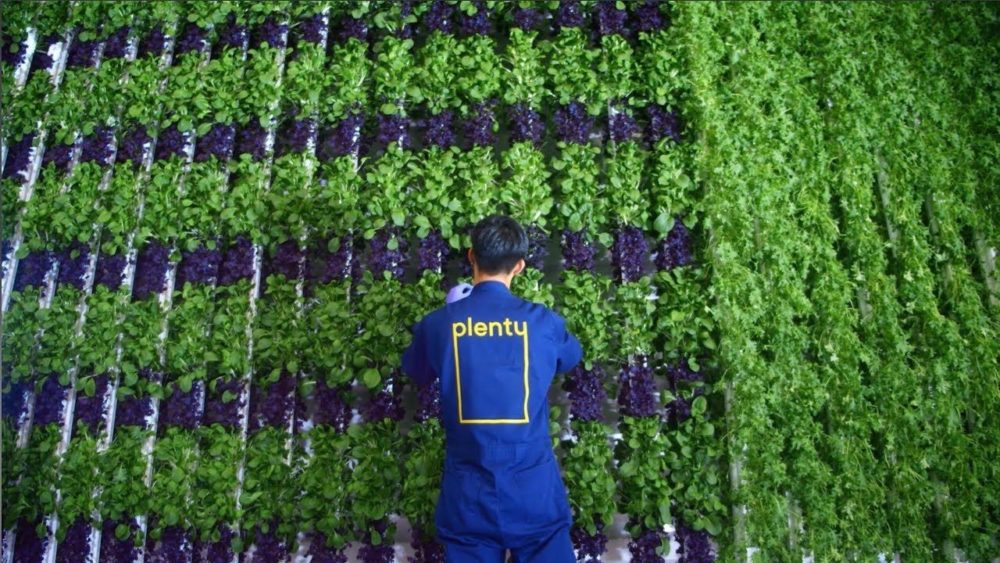
The vertical farming industry has experienced notable turbulence, highlighted by the 90% valuation reduction of the company Plenty earlier this year. This downturn reflects a broader trend, as multiple well-funded companies have either closed their doors or entered insolvency. In stark contrast to previous years, no leafy greens vertical farming company raised over $100 million in 2024, with the highest funding being $59.5 million by Vertical Harvest.
While funding figures may appear dismal, they do not tell the entire story of vertical farming for leafy greens in 2025. As the industry moderates from the era of exorbitant valuations and mega-fundraisers, a few companies continue to pursue innovation. Henry Gordon Smith, CEO of Agritecture, highlights that small-scale vertical farms can create synergy with urban environments, especially in support of casual dining establishments.
As of 2024, the most substantial funding rounds were led by companies like Oishii, which raised $150 million, followed by Vertical Harvest with $59.5 million. Other notable fundraisers include GrowUp Farms at $49 million and Intelligent Growth Solutions at $29 million. Interestingly, AeroFarms declared bankruptcy in 2023 but has since narrowed its focus to its Virginia operations.
Many once-prominent firms have struggled; for instance, Plenty, which has received $940 million in funding since its founding in 2014, closed its Compton facility and is now seeking to raise additional funds at a valuation dramatically lower than before. Similarly, Bowery Farming ceased operations in late 2024 due to financial challenges and plant diseases.
Monitoring the funding landscape from 2019 to 2022 reveals both successes and failures. Some companies like Infarm and 80 Acres Farms have adapted to changing conditions, with Infarm pivoting from insolvency to a new entity in Britain while focusing on North American produce. Others are moving toward niche markets, such as 80 Acres Farms, which is emphasizing advanced plant genetics.
With ongoing challenges, industry experts encourage a return to fundamental farming principles. Gordon Smith points out that many companies attempted to expand into diverse crops without first establishing profitability in basic leafy greens. He warns that vertical farming must solve specific problems rather than be a pursuit of innovation for the sake of innovation. Investors are advised to be cautious, emphasizing the need for practical solutions anchored by experienced farmers within organizations.
As vertical farming evolves, it must align its operational models with logistical and market realities. Those firms still engaged in the sector often prioritize sustainability and renewable energy. For instance, GrowUp Farms utilizes renewable energy sources in its operations, a shift deemed necessary for competitive pricing against traditional agricultural methods.
In summary, while the vertical farming industry has faced significant setbacks, it is not without hope. Prioritizing effective farming practices and addressing the unique challenges of urban agricultural environments could pave the way for a more sustainable and profitable future in vertical farming.
The content above is a summary. For more details, see the source article.









