


Key Takeaways
- Fenty Beauty revolutionized the beauty industry with its inclusive 40 shade launch in 2017, prompting a widespread industry reevaluation.
- The brand’s potential transition to new ownership hinges on either Rihanna taking full control or finding a partner with significant distribution capabilities.
- Estée Lauder and Puig are seen as the most viable acquisition candidates, while private equity options could also play a role in future expansion.
Revolutionizing Inclusivity in Beauty
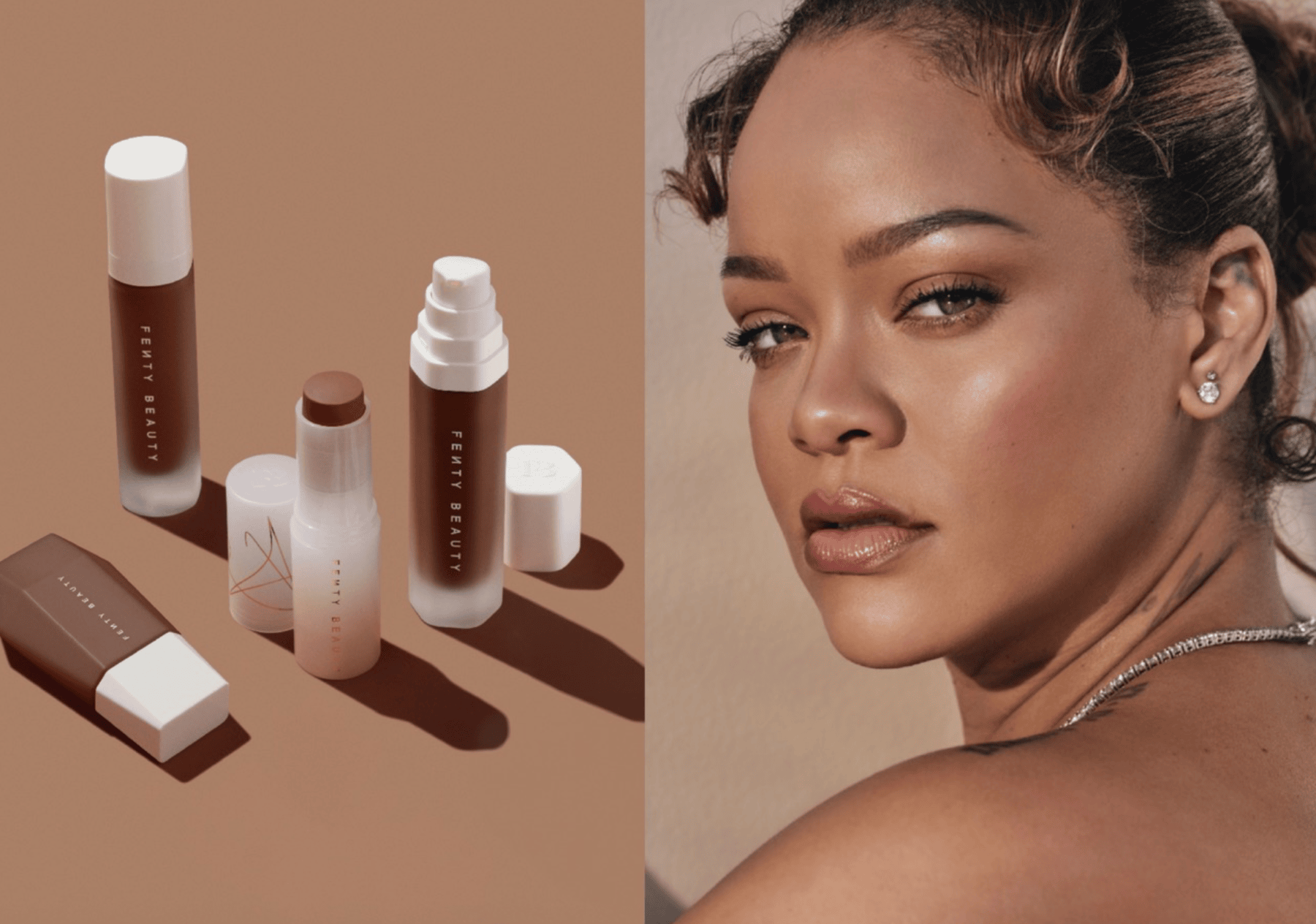
Fenty Beauty’s launch in 2017 marked a significant shift in the beauty industry by introducing 40 shades, spotlighting inclusivity beyond just marketing. This move identified and addressed the industry’s previous oversights, sparking what is now termed the “Fenty Effect.” The brand demonstrated that inclusivity isn’t just ethically sound; it can be commercially lucrative. Legacy brands soon began to broaden their product ranges in response, acknowledging that representation drives sales and fosters consumer loyalty.
Fenty Beauty has evolved into more than just a brand; it symbolizes recognition, empowerment, and individuality for many consumers. However, the brand faces the challenge of lacking the physical and digital visibility its influence deserves despite initial success, largely attributed to LVMH and Sephora’s support.
As Fenty Beauty considers its future beyond LVMH, two key scenarios are being discussed. One potential path would see Rihanna take full ownership, allowing her to guide the brand while retaining its cultural authenticity. Alternatively, finding a new strategic partner could help broaden its reach, necessitating a company with significant distribution power and operational strength.
Several potential buyers have come under scrutiny. L’Oréal, though a giant in the industry, appears unsuitable due to its history of avoiding celebrity-led brands. Coty has experience with such ventures but is still balancing operational challenges. In contrast, Estée Lauder Companies (ELC) emerges as a strong candidate. It has faced recent challenges, including a 9% decline in Q1 earnings but stands to benefit from Fenty’s cultural relevance and youthful appeal. ELC has an extensive global distribution network and marketing expertise, which could further elevate Fenty, provided it respects the brand’s independent spirit.
Puig, known for successfully nurturing celebrity-oriented brands such as Charlotte Tilbury, is also a contender. With ambitions for global expansion in the prestige beauty sector, Puig could supply the cultural understanding and agility needed for Fenty’s growth. Other potential buyers like Kering, Unilever, and Shiseido appear less likely due to their current brand focuses or strategies that do not align with Fenty’s identity.
Private equity firms such as Advent International or L Catterton represent another pathway for Fenty’s future. These firms have experience in scaling lifestyle brands and could offer both the capital and operational insight necessary for global expansion while preserving Rihanna’s creative vision.
As the beauty landscape continues to evolve, the next steps for Fenty Beauty will be pivotal in determining how it maintains its legacy and cultural significance in a competitive market.
The content above is a summary. For more details, see the source article.









