


Key Takeaways
- Smart home hubs are becoming obsolete due to advances in technology and new protocols.
- Voice assistants and smartphone apps now provide sufficient control over smart devices.
- Reliance on a single hub can lead to vulnerabilities and increased costs for users.
Evolution of Smart Home Technology
The rise of smart technology has transformed how households are connected, rendering traditional smart home hubs increasingly unnecessary. Voice assistants such as Amazon Alexa, Google Home, and Apple Siri now fulfill many of the roles once held by hubs, allowing users to control devices via voice commands or smartphone apps. This shift is supported by emerging protocols like Matter and Thread, enabling devices to communicate directly without a central control unit.
Historically, smart home hubs were essential as they linked multiple devices. However, they also posed significant risks: if a hub fails due to a bug or outage, all connected devices stop functioning, leaving users inoperable. Instances such as Insteon’s server shutdown in 2022 exemplify the danger of dependence on a single device for automation. Similar issues arose with Samsung’s SmartThings Hub, which required users to upgrade and reset their systems.
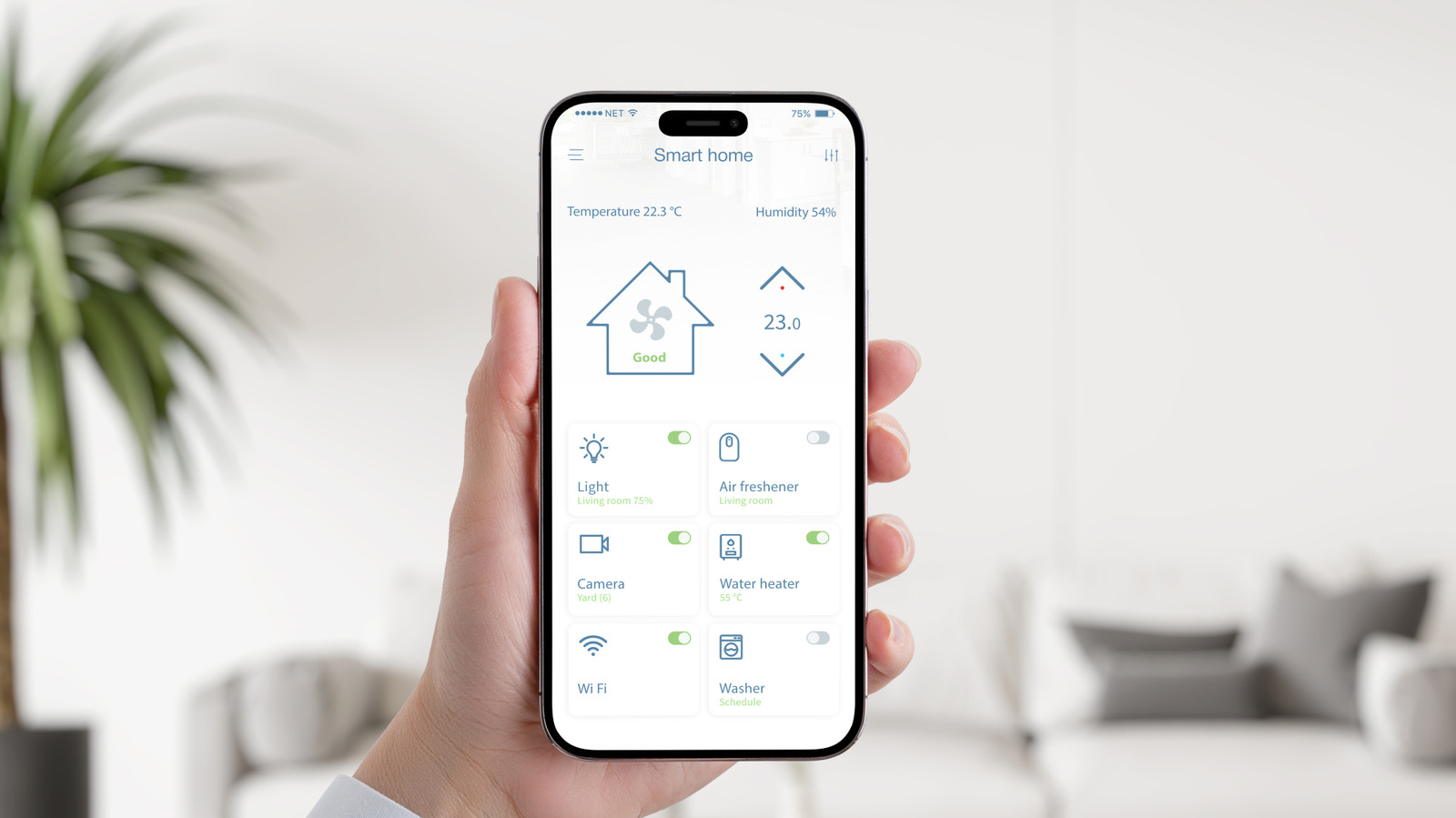
Moreover, most modern devices operate efficiently over Wi-Fi or Bluetooth, eliminating the need for a hub and the associated costs and complexities. Users can now rely on smartphones and voice assistants to manage their smart homes effectively. Voice assistants allow for straightforward management of devices, and their companion apps facilitate easier automation and organization. For example, Alexa is compatible with over 100,000 devices, showcasing the vast potential without the added hardware.
As such, for the majority of households, smartphones and voice assistants serve as more than adequate solutions for smart home management. The evolution of smart home technology encourages users to explore these simpler alternatives while investing in gadgets that enhance their home experience without the drawbacks of a dedicated hub.
The content above is a summary. For more details, see the source article.









