


Key Takeaways
- The new wave of smart home technology emphasizes local control and resilience, reducing reliance on cloud services.
- Protocols like Zigbee, Z-Wave, and Matter over Thread enhance device interoperability and reliability, fostering smoother smart home integrations.
- Innovative products from brands like Lutron, Philips Hue, and Eufy prioritize user control and privacy without imposing subscription fees.
Emerging Trends in Smart Home Technology
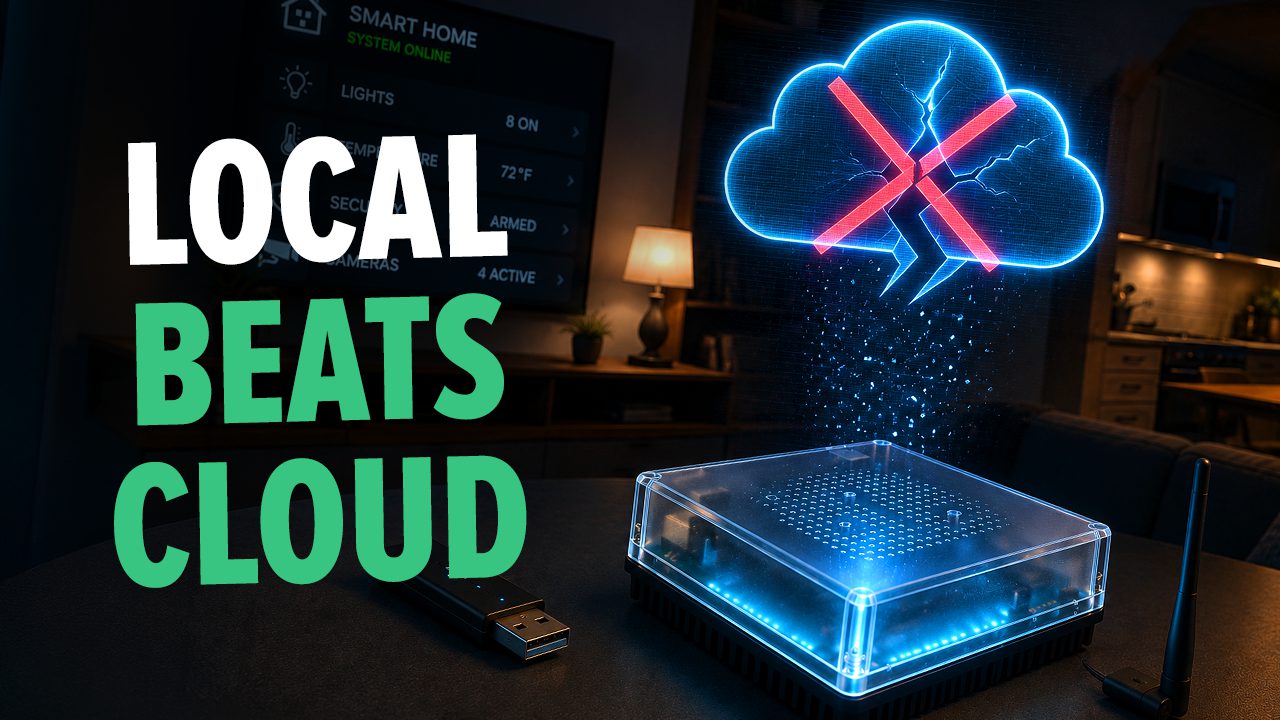
The smart home sector is evolving from reliance on cloud-based systems to an emphasis on local control and ownership. Many devices, once heralded as reliable, have been rendered obsolete due to remote server shutdowns or subscription demands, similar to a car becoming unusable when payments are missed. To combat this, new resilient solutions are being designed to function independently of internet connectivity and vendor practices.
Lutron Caséta is a leader in this shift, utilizing its proprietary Clear Connect RF protocol to maintain control over lighting without interference from Wi-Fi congestion. Its in-wall dimmers and modules operate reliably, even during internet outages.
Philips Hue extends this model with a robust Zigbee network that enhances overall connectivity, ensuring that smart lighting remains functional regardless of internet issues. Similarly, Z-Wave operates on dedicated frequencies to create manageable, secure home networks.
Matter over Thread is emerging as a universal standard, promoting communication between devices from different brands, effectively eliminating vendor lock-in. This, coupled with various protocols like Zigbee and Z-Wave that focus on granularity of control, promises to optimize home automation experiences.
Brands like Eufy and Reolink offer privacy-conscious security solutions that store footage locally, avoiding cloud reliance and monthly fees. Eufy’s well-known devices utilize local processing, while Reolink cameras are compatible with multiple smart home platforms.
Overall, the smart home ecosystem is embracing a paradigm shift towards local control and enhanced interoperability, empowering users with reliable, privacy-focused technologies that are independent of the cloud.
The content above is a summary. For more details, see the source article.









