


Key Takeaways
- Smart home technology is rapidly growing, with an expected increase from 130 million to 335 million homes using smart speakers by 2027.
- Popular smart hubs include Amazon Echo and Google Home, but Apple’s Home app offers a budget-friendly alternative for iPhone users.
- Security measures, such as strong passwords and device placement, are crucial for protecting smart home devices from potential hacking.
Smart Home Technology: Trends and Innovations
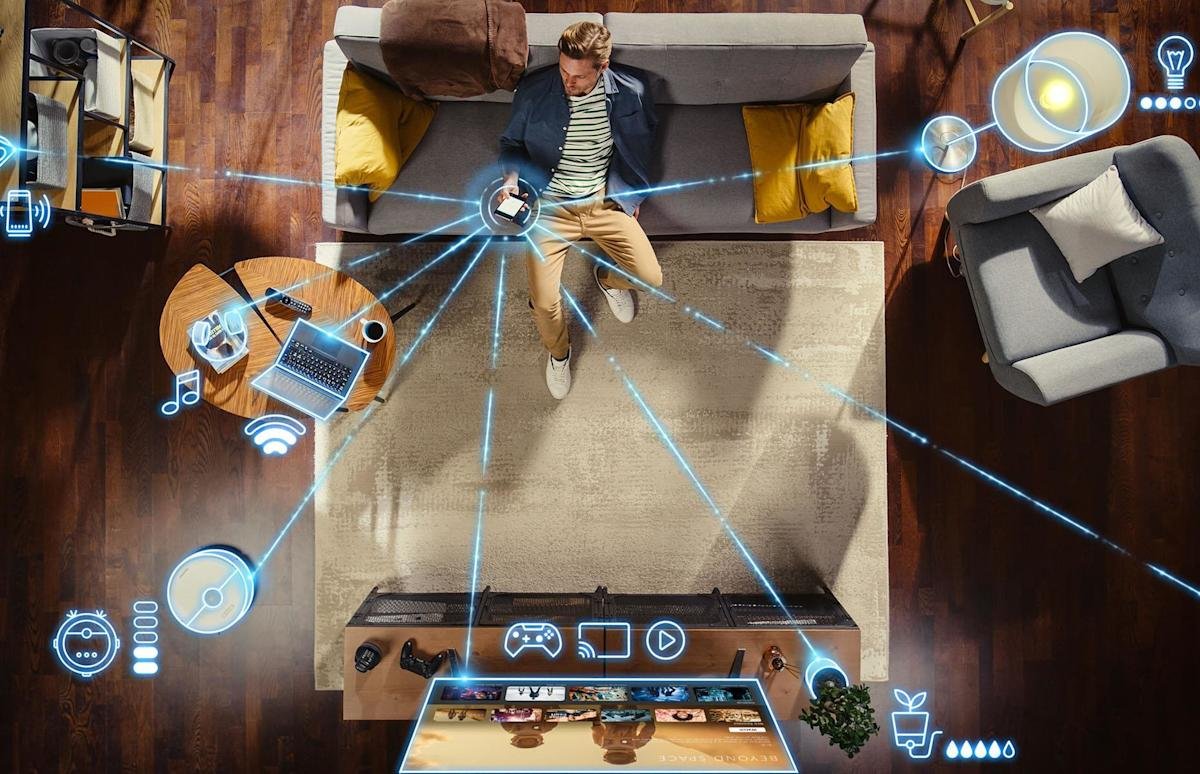
Smart home technology has advanced significantly, with over 130 million homes globally equipped with at least one smart speaker. This number is projected to rise to 335 million by 2027, according to Statista. Key devices include Amazon Echo, Google Home, and Apple’s Home app, which allows iPhone users to manage smart devices without a physical hub.
Amazon’s Alexa offers extensive functionality, boasting over 100,000 skills that allow for various tasks, such as booking rides, playing music, and even controlling home appliances. Despite Apple’s popularity in other tech areas, its HomePod is less favored among smart speakers, with Amazon Echo leading in many countries.
Ongoing innovations, including wireless security cameras and unique health tech, emerged during the pandemic, resulting in a projected 20% global adoption of smart home technology by 2025. Features like geofencing enable automated routines, while smart products like video doorbells and smart bulbs enhance user convenience.
However, securing these devices is essential. Users should keep their smart hubs away from windows to prevent unauthorized access and avoid using default passwords on internet-connected gadgets. Voice purchasing capabilities can also lead to unintended orders, necessitating user management.
In addition to home automation, smart technology can simplify life with automated cleaning devices, smart health monitors, and outdoor management tools. Keeping homes visually appealing while integrating technology is achievable through cable management solutions and dedicated charging stations. Ultimately, setting up routines can enhance the functionality of smart devices, making everyday tasks more efficient.
The content above is a summary. For more details, see the source article.









