


Key Takeaways
- Choosing the right robot lawn mower depends on lawn type, size, and desired features.
- All-wheel drive is ideal for steep or uneven lawns, while rear-wheel drive suits flat terrains.
- LiDAR navigation is recommended for cluttered environments; RTK systems work better in open areas.
Choosing the Right Robot Lawn Mower
Robot lawn mowers are becoming increasingly popular due to their advanced features and ease of use. However, selecting the right model can be challenging for newcomers. To assist consumers in their decision-making, this article outlines five crucial questions to consider when choosing a robot lawn mower, featuring insights from KK Yin, Marketing Director at Mammotion.
Power System: All-Wheel Drive vs. Rear-Wheel Drive
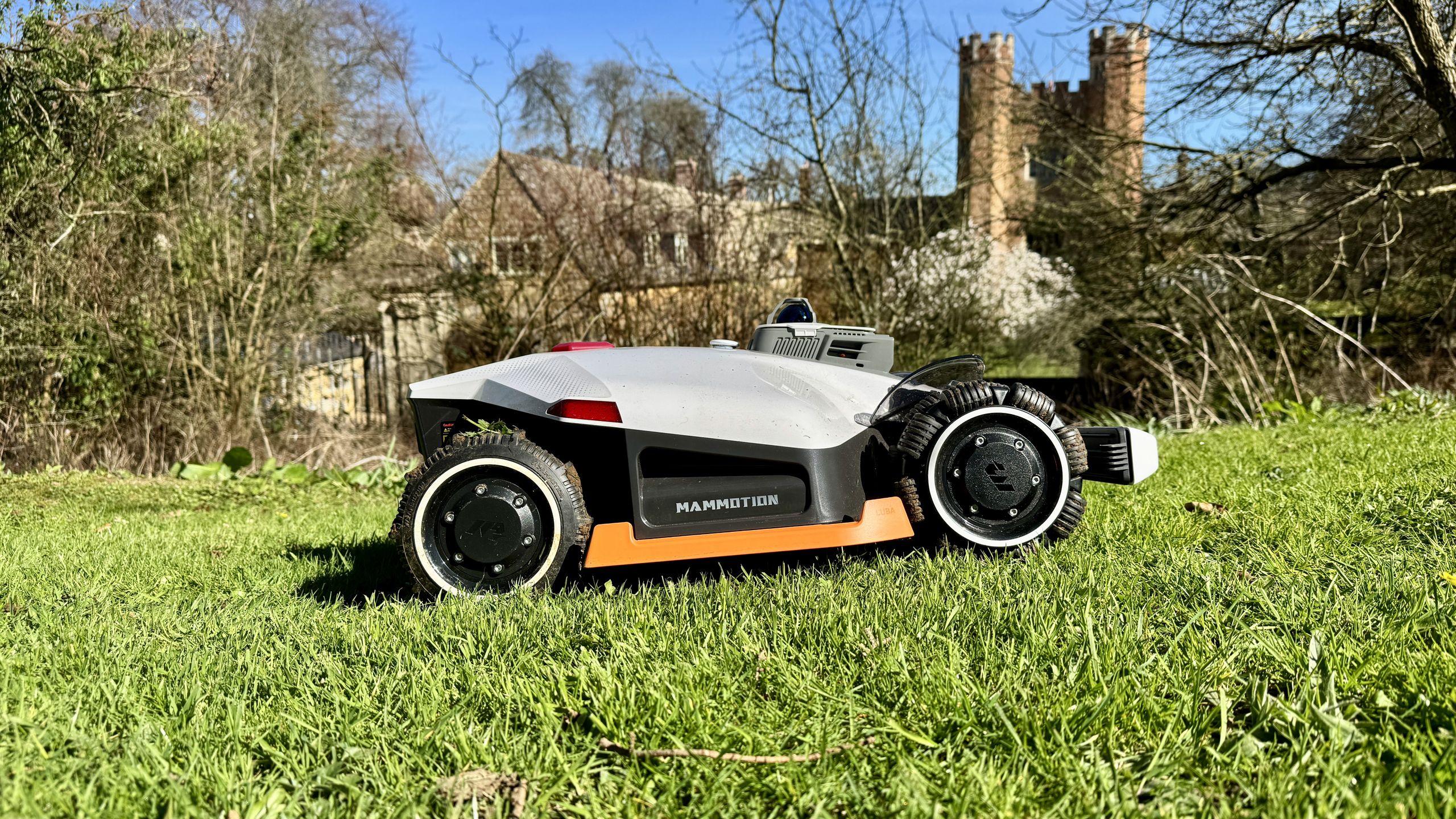
The first consideration is the type of power system required. KK Yin emphasizes the importance of evaluating one’s lawn environment. For most flat lawns, rear-wheel drive will suffice, while all-wheel drive (AWD) is necessary for steep or uneven terrains to prevent damage to grass. AWD is typically found in higher-end models, but Segway Navimow has introduced a compact AWD version designed for gentler turf management.
Navigation Methods
Next, it’s vital to consider the navigation system. If the lawn has shaded areas due to tall houses or trees, opting for LiDAR technology—common in robot vacuums—may be more effective than the satellite-based RTK system. RTK works best in open spaces with unobstructed sky views, while LiDAR is better suited for smaller, more cluttered yards that may hinder satellite signals. While LiDAR models tend to be pricier, they can offer increased accuracy in complex environments.
Lawn Size Considerations
Lawn size also plays a crucial role in purchasing decisions. Different mower models are rated for specific lawn sizes, generally indicated by numbers reflecting battery capacity. A mower that effectively accommodates the owner’s mowing frequency is essential. KK suggests an average homeowner mows their lawn two to three times a week, so assessing a mower’s efficiency in terms of coverage and battery life is critical.
Multi-Zone Management Capabilities
For those with multiple mowing zones, it’s important to consider the mower’s capability to manage separate areas. Many models allow users to create distinct maps for different sections, but the level of sophistication varies. Some mowers can execute scheduled mowing routines, optimizing the process across various zones.
Setup Complexity
Finally, potential buyers must decide how much setup they’re willing to undertake. Some RTK systems may require an external antenna to enhance signal accuracy, necessitating careful placement for optimal function. In contrast, newer lawn mowers are increasingly equipped with centralized RTK receivers, simplifying installation. For a hassle-free experience, consider models with integrated cameras and AI, which can autonomously map their surroundings upon activation.
For individuals exploring the world of robot lawn mowers, understanding these factors can significantly simplify the selection process and ensure a fitting choice for their unique lawn care needs.
The content above is a summary. For more details, see the source article.









