


Key Takeaways
- Smart-home devices are advancing beyond convenience, actively protecting health and preventing emergencies.
- Innovative tools like smart smoke detectors, fall detection wearables, and medication dispensers enhance safety and health management.
- These technologies offer real-time alerts and monitoring to address risks before they escalate into critical situations.
Smart Home Gadgets Transforming Safety
Smart-home technology is evolving to become a key player in health protection and emergency prevention. Devices like smart smoke and carbon monoxide detectors now send real-time alerts directly to smartphones, enabling quick responses to potential dangers, even when users are away from home. These detectors provide immediate, precise information on the nature of a hazard, enhancing emergency responses significantly.
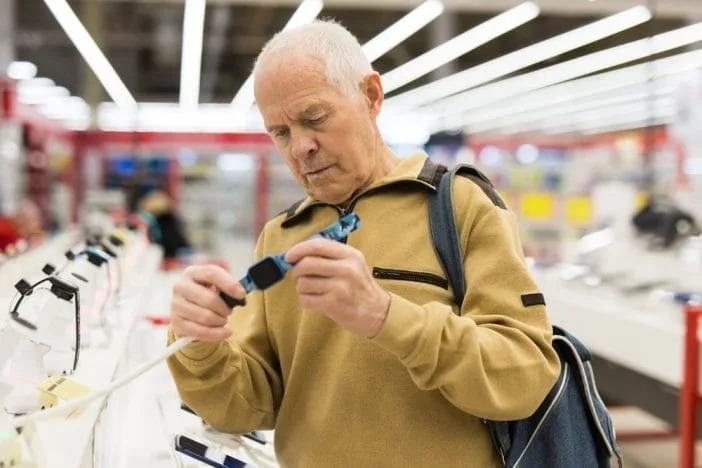
Wearable technology, such as smartwatches equipped with fall detection and emergency SOS systems, automates help in times of crisis. By monitoring movement patterns, these devices can detect falls and reach out for assistance if the user does not respond. They also store vital medical information for first responders, which can be critical during emergencies.
Moreover, smart medication dispensers facilitate adherence to health regimens, dispensing the correct dosages at the right times. This technology significantly reduces the risk of overdoses or missed doses, crucial for individuals managing chronic conditions.
Smart doorbell systems improve home security by enabling users to communicate with visitors remotely and detect suspicious activities before they result in intrusions. They often integrate with other security measures, including alarms and lighting, to create a comprehensive defense strategy.
Health-monitoring wearables track vital signs like heart rhythm and blood pressure, providing real-time data that can alert users to potential medical issues before they develop into severe problems. Similarly, smart sleep monitors analyze sleep quality and identify disorders like sleep apnea early on, promoting proactive health management.
Overall, these devices collectively foster a safety net, assisting individuals in managing their health and home risks more effectively. The ultimate aim of this smart technology is to safeguard individuals from overlooked dangers, transforming how people interact with their living environments and anchoring everyday safety.
The content above is a summary. For more details, see the source article.









