


Key Takeaways
- Seventy government buildings in Selangor have joined the Net Energy Metering (NEM) programme, generating 5.69 MW of solar energy from rooftop installations.
- The Centralised Solar Park in Bernam Jaya aims to produce up to 100 MW of solar energy by 2028, supporting the state’s low-carbon development agenda.
- To promote solar energy adoption, the state government is exploring additional incentives and has introduced the Solar for Rakyat Incentive Scheme for households and places of worship.
Government Buildings Embrace Solar Energy
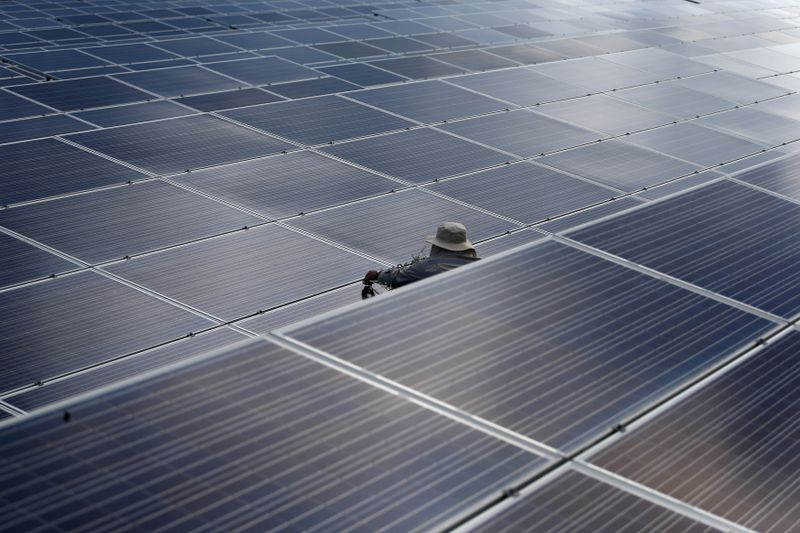
In Selangor, 70 government buildings have registered under the Net Energy Metering (NEM) programme, allowing them to generate clean energy through rooftop solar installations. This effort aligns with the state’s commitment to reduce carbon emissions and promote renewable energy usage. According to Jamaliah Jamaluddin, Selangor’s executive councillor for public health and environment, these buildings have a total installed solar capacity of 5.69 megawatts (MW), with 2.23 MW from the state secretariat and district land office buildings.
The state government is actively working to enhance renewable energy usage through structured initiatives. A significant project in this regard is the Centralised Solar Park in Bernam Jaya, developed in partnership with TNB Renewables Bhd and Worldwide Holdings Bhd. Targeting a capacity of 100 MW, the project is expected to help reduce reliance on conventional electricity supplies and support carbon emission reduction efforts. It is projected to be commissioned by 2028, pending final approvals.
To boost solar energy adoption among households and the private sector, the state government plans to implement additional incentives and rebates. The recently introduced Solar for Rakyat Incentive Scheme (SOLARIS) aims to facilitate solar energy adoption in homes and places of worship, offering savings without the burden of additional costs.
Addressing climate resilience, Jamaliah mentioned that while Selangor lacks a program akin to Singapore’s national preparedness exercise, initiatives similar in objective are ongoing. The Selangor Climate Adaptation Centre (SCAC) is collaborating with Monash University Malaysia to develop an integrated model addressing water, energy, food, and environmental issues within the Selangor River Basin. This model will help identify areas most susceptible to disruptions, supporting strategic planning for necessary interventions and nature-based solutions to ensure water and food security.
Jamaliah also indicated that the state government is committed to regularly reviewing its health initiatives to ensure ongoing improvement based on feedback from relevant agencies. The collective efforts signify a robust commitment to fostering sustainability and resilience in Selangor’s infrastructure and energy systems.
The content above is a summary. For more details, see the source article.









