


Key Takeaways
- Asian airlines see cargo revenues surge, reaching their highest levels in three years, driven by AI server and semiconductor shipments.
- Korean Air’s operating income exceeded expectations, with cargo revenue growing nearly 50% due to global AI investments.
- The rise in AI-related shipping is helping to offset increased jet fuel costs, benefiting regional airlines’ cargo operations significantly.
Surge in Cargo Revenues for Asian Airlines
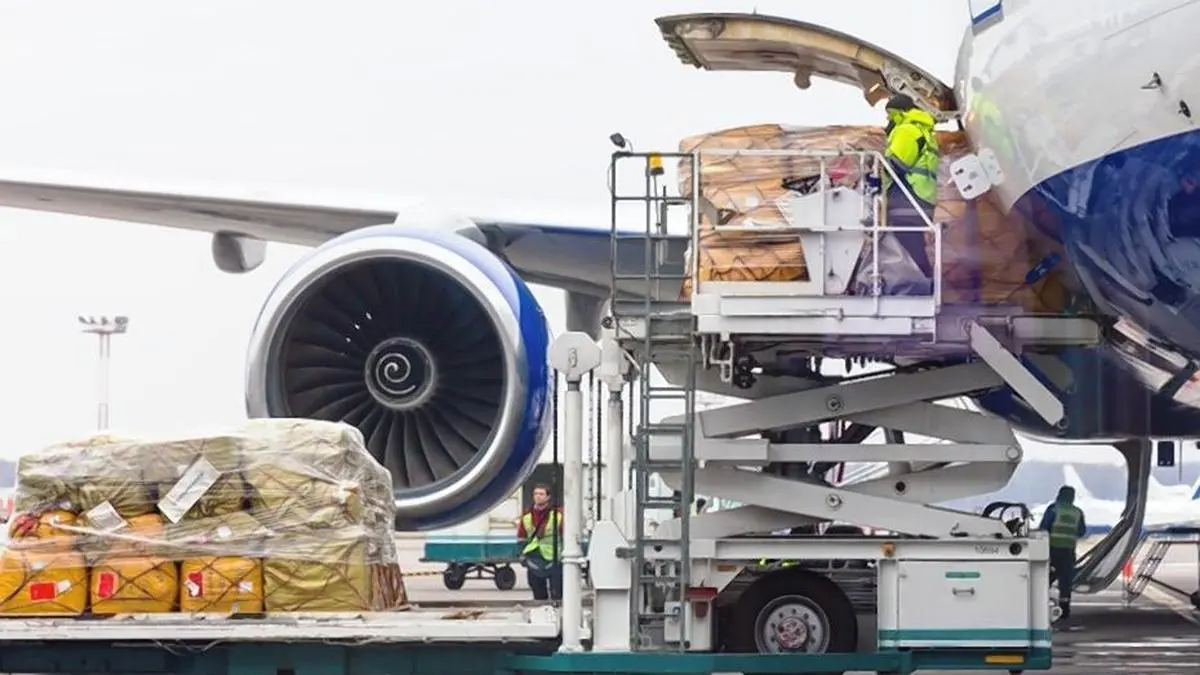
Recent quarterly financial reports from Korean Air, China Airlines, and EVA Airways reveal that cargo revenue has reached its highest levels in over three years. This increase is primarily due to the rising demand for AI servers and semiconductors. According to calculations by Bloomberg News, these carriers have seen significant growth in their freight income, reminiscent of the peak periods during the Covid pandemic.
Nathan Gee, head of Asia-Pacific transportation research at Bank of America, remarked that “cargo has been the key bright spot for Asia Pacific airlines.” He expressed optimism about the future of air cargo, pointing to the emergence of an AI supercycle and robust e-commerce flows as underlying factors driving demand.
The recent boom in AI-related shipments is part of a greater global initiative to expand infrastructure for artificial intelligence technologies. Manufacturers producing essential components, such as construction equipment, batteries, and power generators, are also benefiting from this trend. Korean and Taiwanese carriers are well-positioned due to their fleets of dedicated freighter jets and their connection to leading semiconductor producers like Samsung Electronics and SK Hynix.
Cargo rates on critical air freight routes from major hubs including Hong Kong and Seoul to the US have reached their highest levels since 2022, as noted by the TAC Index. Korean Air reported operating income surpassing analyst expectations by more than fourfold. Almost 50% of its cargo revenue has stemmed from AI-related shipments, and the airline plans to focus on high-growth areas related to these industries.
EVA Air disclosed that goods linked to AI servers made up 40%-50% of its total air freight from Taiwan to the US. To accommodate increased demand, the airline is expanding its cargo fleet, adding three new aircraft by 2028.
In Asia, the passenger airlines have also become leading cargo carriers, leading to a surge in orders for new freighter planes. Recently, China Southern Airlines ordered up to ten Boeing 777 freighters, while Cathay Pacific expanded its commitment to Airbus A350F freighters.
As AI-related cargo continues to dominate, it has begun to displace other standard goods in the Asia-Pacific region. This trend has allowed airlines to recover from high jet fuel costs more effectively than their passenger operations. Analysts are eagerly anticipating upcoming quarterly earnings reports from other regional airlines to gain additional insights into cargo demand trajectories.
The content above is a summary. For more details, see the source article.









