


Key Takeaways
- AI significantly improves radiologists’ efficiency in evaluating imaging scans.
- Efficiency gains range from 16% to 40% without impacting diagnostic accuracy.
- The AI system alerts doctors to critical health issues, enhancing patient care.
Study Highlights Radiology Efficiency Boost with AI
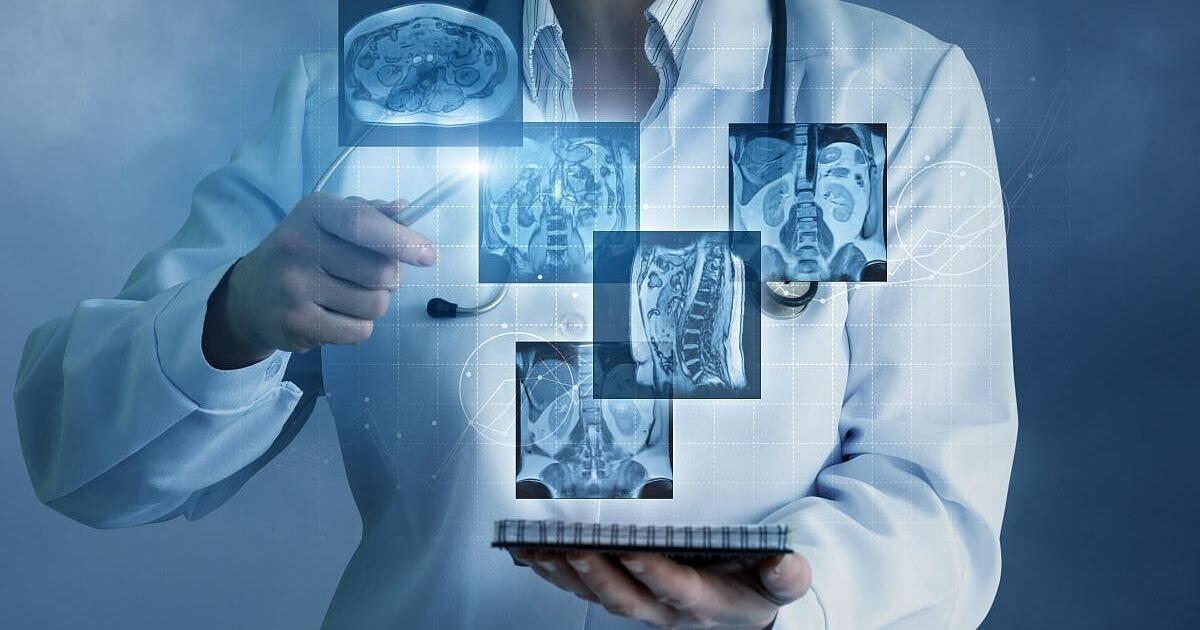
A recent study published in JAMA Network Open reveals that artificial intelligence (AI) can greatly enhance the efficiency of radiologists in interpreting imaging scans. Conducted by the Northwestern Medicine team, the study demonstrated that some radiologists experienced efficiency improvements of up to 40% when aided by a custom-built AI program.
Dr. Mozziyar Etemadi, the senior researcher, highlighted that this is the first instance of AI significantly improving productivity in health care. The AI system was developed using clinical data from Northwestern Medicine and is capable of analyzing X-ray images. It generates a report that is approximately 95% complete and personalized for each patient. Radiologists then review these AI-generated reports to finalize their diagnoses. The AI also flags critical conditions, such as collapsed lungs, in real-time, allowing immediate physician alerts.
The study was conducted in a real-time setting across 12 hospitals, analyzing nearly 24,000 radiology reports over five months, half of which utilized AI assistance. Results showed an average increase of 16% in completing X-ray reports efficiently, while some radiologists achieved gains as high as 40%. Dr. Samir Abboud, chief of emergency radiology, noted that this technology could double efficiency, especially in emergency situations where timely diagnosis is crucial.
The AI system has since been enhanced to assess CT scans, leading to reported efficiency gains of up to 80%. The team is also refining the AI to identify potentially missed diagnoses, such as early-stage lung cancer. Dr. Etemadi stated that developing custom AI models is achievable for typical healthcare systems, eliminating the need for costly proprietary tools.
This advancement comes at a key time, as the U.S. is projected to face a shortage of up to 42,000 radiologists by 2033, while the demand for imaging services is expected to rise by 5% annually. Despite this, Dr. Abboud emphasized that AI is not meant to replace human radiologists but rather to serve as an essential tool for enhancing diagnostic accuracy.
Northwestern Medicine has patented its AI technology, laying the groundwork for broader adoption in the healthcare sector. The study underscores AI’s potential in streamlining radiology processes, ultimately contributing to improved patient outcomes as speedier evaluations may result in faster treatment decisions. For further insights into AI applications in healthcare, the Mayo Clinic provides additional resources.
The content above is a summary. For more details, see the source article.









