


Key Takeaways
- AI and machine learning have the potential to enhance public transportation safety and efficiency.
- Concerns about equity, discrimination, and data privacy accompany the adoption of these technologies.
- Transit agencies can leverage existing data to improve services while addressing worker displacement fears.
Innovations in Public Transit Through AI
Artificial intelligence (AI) and machine learning are revolutionizing public transportation, enhancing safety and operational efficiency while improving the rider experience. According to a February 5 blog post by Lindiwe Rennert of the Urban Institute, some transit agencies have started employing these technologies to monitor infrastructures like stations and roadways, enabling them to identify dangerous conditions proactively and predict passenger demand to prevent overcrowding. Additionally, AI can assist in diagnosing maintenance issues before they escalate into breakdowns.
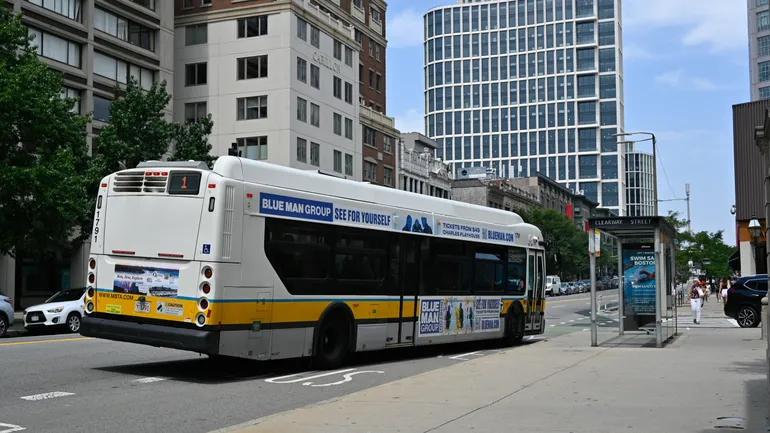
Transit agencies collect vast amounts of data that could mitigate ongoing financial challenges and labor shortages. Currently, this information contributes to more reliable real-time arrival updates at transit stops and enhances dispatch efficiency for paratransit services, enabling same-day booking rather than the typical 24-hour notice. In cities like Boston, initiatives such as signal prioritization for buses and AI-powered cameras for monitoring bus lane violations are already in action.
However, the implementation of AI raises significant concerns. For instance, facial recognition technologies tend to demonstrate bias, primarily trained on data sets featuring a majority of White males, which can lead to racial discrimination. Furthermore, AI-generated audio announcements at stations can perpetuate biases related to language and accent, potentially alienating diverse rider groups. These issues, coupled with fears among transit workers regarding job security due to automation, underline the need for careful consideration in AI integration.
Rennert advocates for transit agencies to focus on using AI and machine learning as tools for informing necessary infrastructure changes, such as enhancing bus stop curbs and deploying curb-separated bus lanes. Furthermore, these technologies could streamline processes such as automatically enrolling eligible riders in discount fare programs and refining station cleaning schedules or facilitating robotic cleaning operations.
While AI and machine learning present promising advancements for public transit, it is crucial to navigate their challenges thoughtfully to harness their full potential without compromising equity and employee welfare.
The content above is a summary. For more details, see the source article.









